


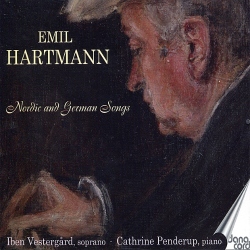
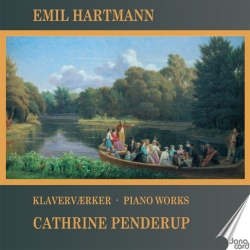
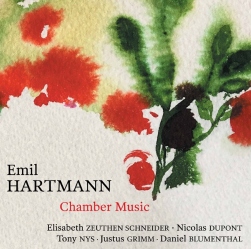
Emil Hartmann
Released Album
Chamber
-
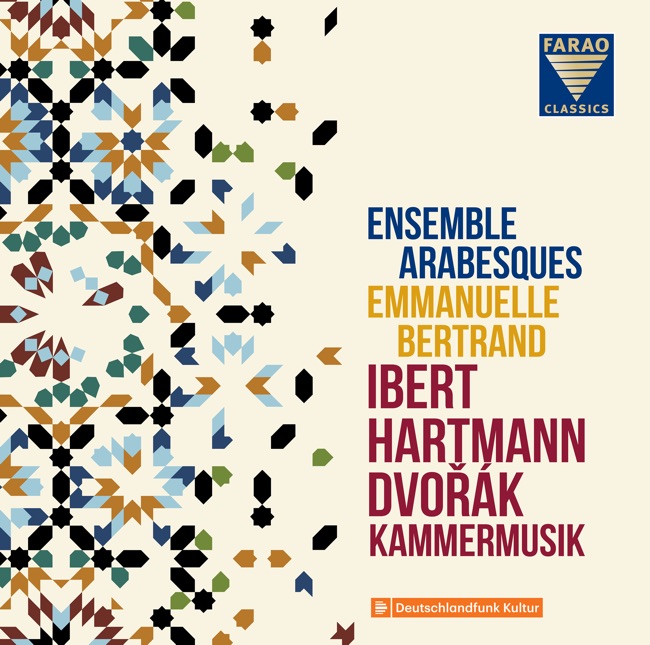 August 18, 2023
 -
 December 1, 2022
 -
 November 4, 2022
 -
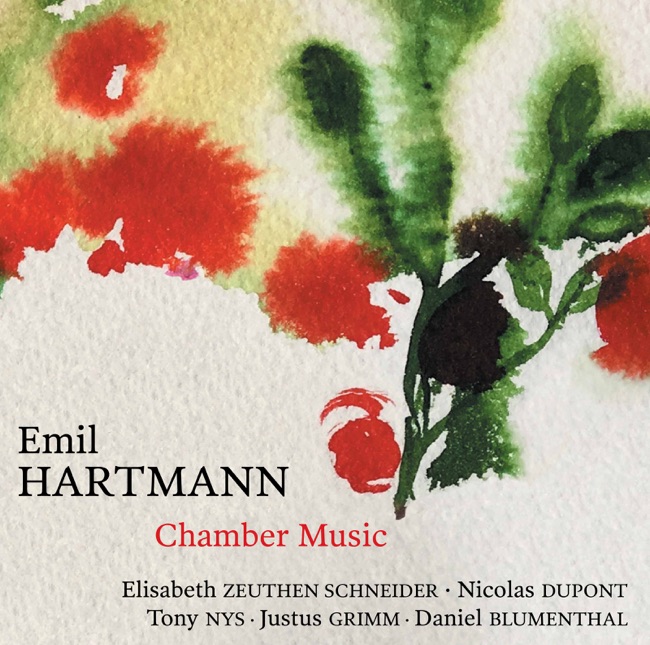 November 15, 2019
 -
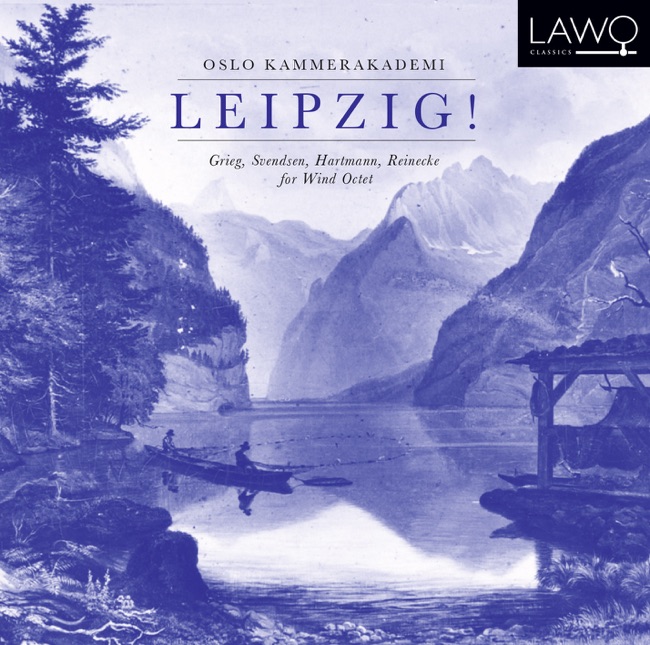 July 8, 2014
 -
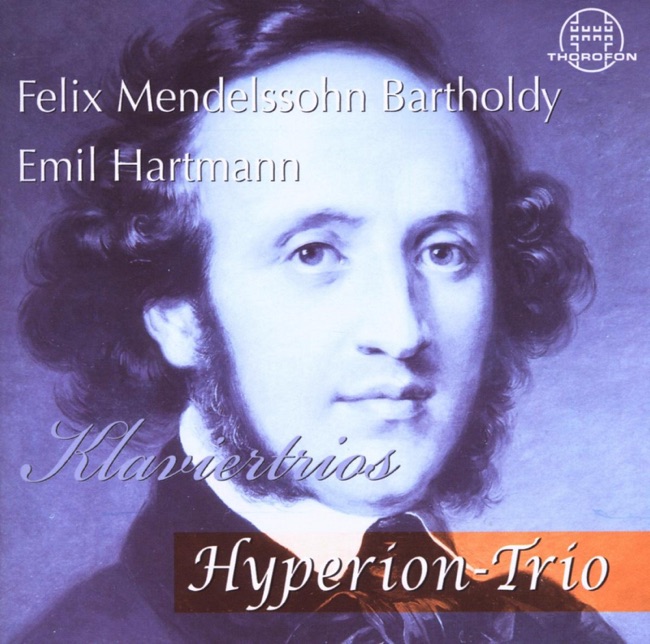 October 2, 2009
Vocal
-
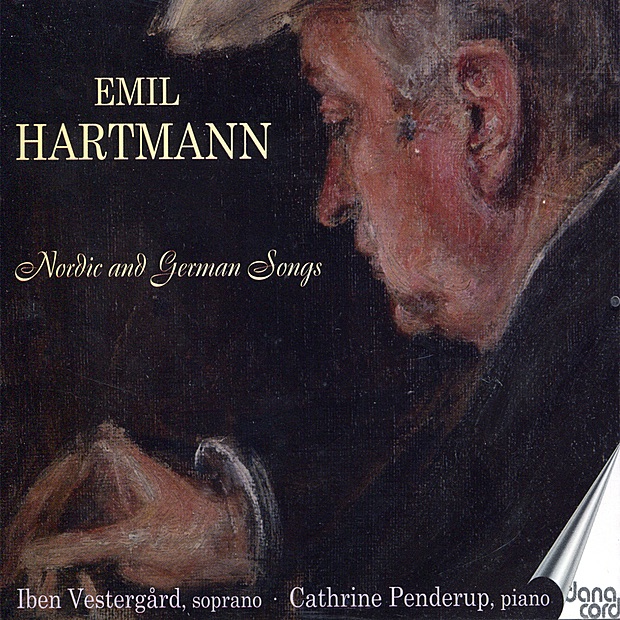 April 12, 2011
 -
 June 9, 2005
Orchestral
-
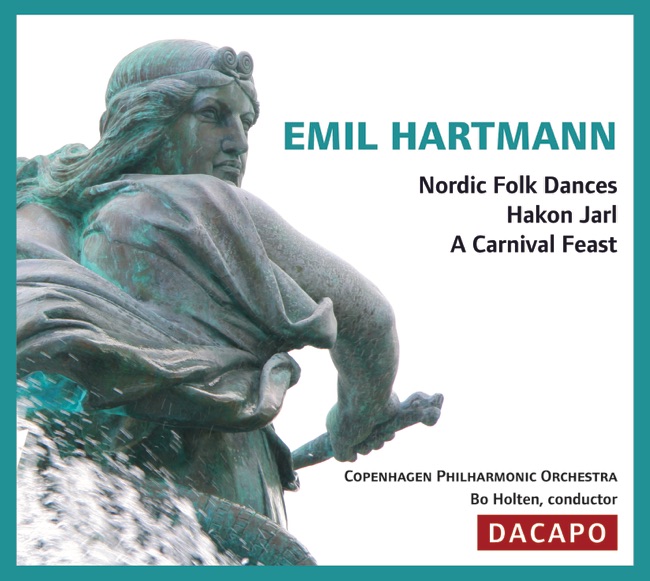 November 21, 2006
Concerto
-
 August 11, 2009
 -
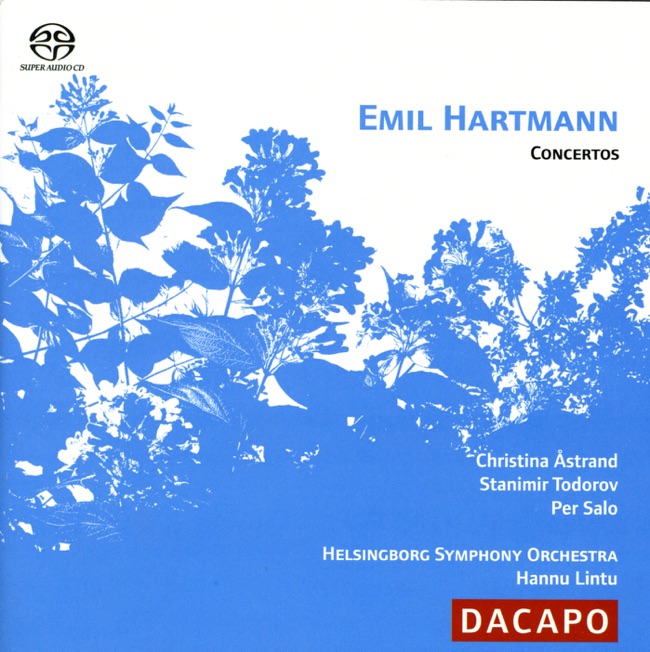 July 19, 2005
Artist Info
Role:ComposerBirth:February 21, 1836Death:July 18, 1898Period:RomanticGenre:ChamberConcertoEmil Hartmann was a Danish composer born on August 21, 1836, in Copenhagen, Denmark. He was the son of the famous composer J.P.E. Hartmann and the brother of the painter Niels Viggo Hartmann. Emil Hartmann was born into a family of musicians, and his father was his first music teacher. He received his formal education at the Royal Danish Academy of Music in Copenhagen, where he studied composition with Niels Gade. Hartmann's early works were heavily influenced by his father's music, but he soon developed his own style. He was a prolific composer, and his works include symphonies, chamber music, piano pieces, and choral music. His music was characterized by its lyricism, clarity, and elegance. One of Hartmann's most famous works is his Symphony No. 1 in G minor, which he composed in 1866. The symphony is a four-movement work that showcases Hartmann's skill as a composer. The first movement is a dramatic and powerful introduction, while the second movement is a lyrical and expressive adagio. The third movement is a lively scherzo, and the final movement is a triumphant and energetic finale. Hartmann's other symphonies include Symphony No. 2 in D major, Symphony No. 3 in E minor, and Symphony No. 4 in F major. All of these works are characterized by their melodic beauty and harmonic sophistication. Hartmann also composed a number of chamber music works, including string quartets, piano trios, and sonatas. His String Quartet No. 1 in G major is a particularly beautiful work that showcases his skill as a composer. The quartet is a four-movement work that is full of lyrical melodies and rich harmonies. In addition to his instrumental works, Hartmann also composed a number of choral works. His oratorio, The Resurrection, is a particularly powerful work that tells the story of Christ's resurrection. The work is full of dramatic choral writing and beautiful solo arias. Hartmann was also a respected music educator, and he taught at the Royal Danish Academy of Music for many years. He was a mentor to many young composers, including Carl Nielsen, who went on to become one of Denmark's most famous composers. Hartmann's music was well-respected during his lifetime, and he was awarded many honors for his contributions to Danish music. He was made a Knight of the Order of the Dannebrog in 1875, and he was awarded the Cross of Honour in 1892. Emil Hartmann died on July 14, 1898, in Copenhagen, Denmark. He left behind a rich legacy of beautiful music that continues to be performed and enjoyed today. His music is characterized by its lyricism, clarity, and elegance, and it remains an important part of the Danish classical music tradition.More....
Recent Artist Music
4
8:37
12

5:41
13

5:41
14

5:41
Copyright Ⓒ 2013 Davinci Finger. All rights reseved
Service Terms & Policy