


Joaquín María Nin-Culmell
Released Album
Chamber
-
 October 1, 2021
 -
 October 11, 2019
 -
-
 April 25, 2006
 -
 November 2, 2005
 -
 September 27, 2005
Keyboard
-
 December 1, 2012
 -
 October 31, 2011
 -
 October 30, 2007
 -
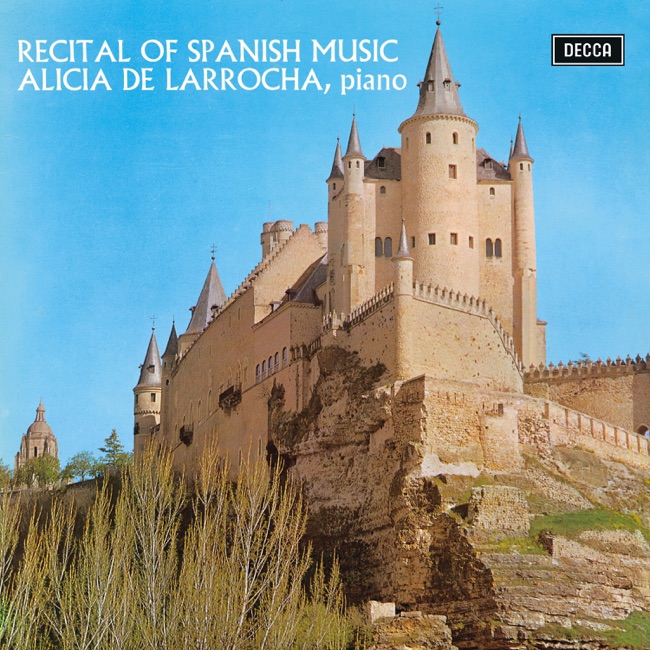 November 28, 1970
Vocal
-
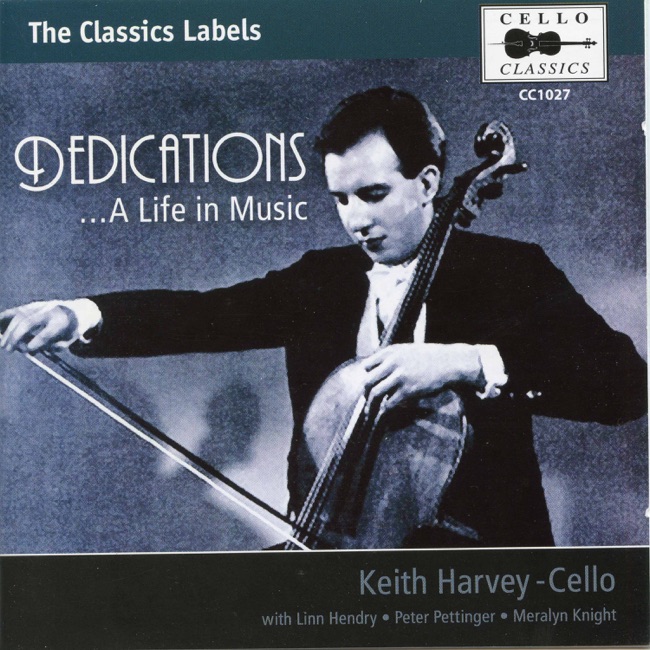 March 26, 2012
 -
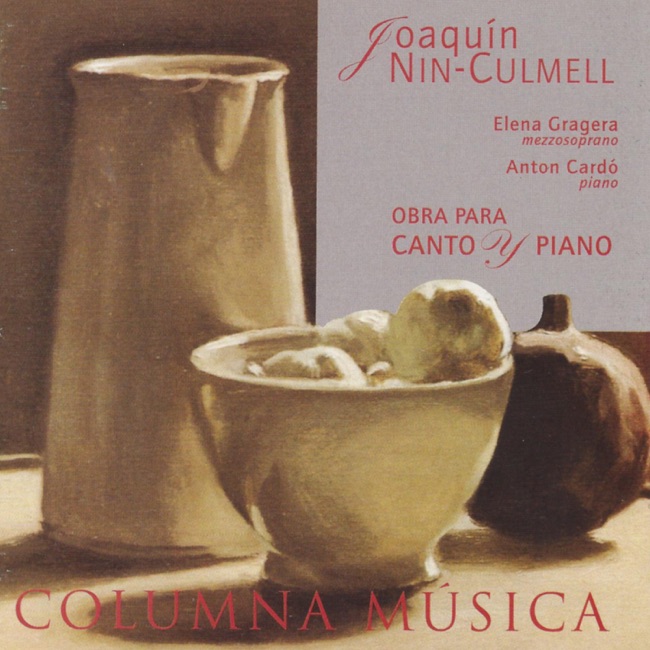 January 28, 2003
 -
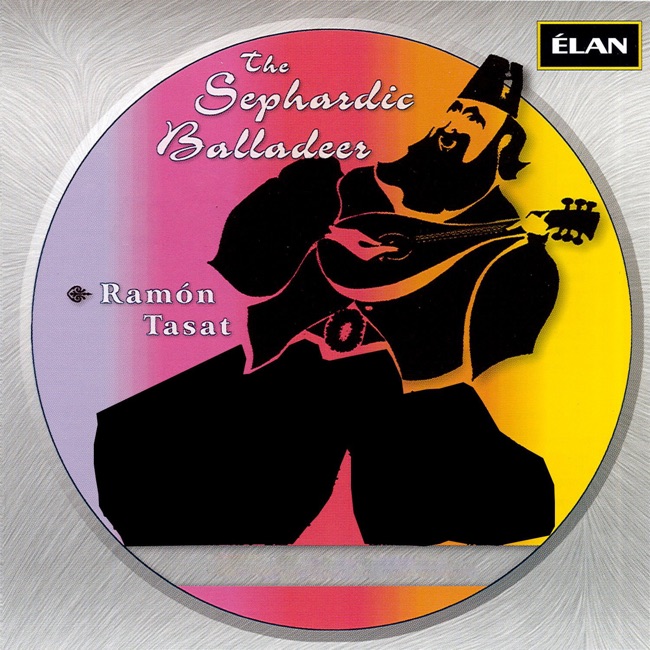 June 4, 2002
Artist Info
Role:ComposerCountry: GermanyBirth:September 5, 1908 in Berlin, GermanyDeath:January 14, 2004 in Berkeley, CAJoaquín María Nin-Culmell was a Spanish-American composer and pianist who was born on September 5, 1908, in Berlin, Germany. He was the son of Joaquín Nin, a Spanish pianist, and Rosa Culmell, a Cuban singer. His family moved to Barcelona, Spain, when he was a child, and he began his musical education at the age of six. He studied piano with his father and composition with the Spanish composer Manuel de Falla. In 1928, Nin-Culmell moved to Paris to study with the French composer Paul Dukas. He also studied with the Hungarian composer Béla Bartók, who had a significant influence on his music. Nin-Culmell's early works were influenced by the neoclassical style of Stravinsky and the folk music of Spain and Hungary. In 1939, Nin-Culmell moved to the United States and settled in New York City. He became a naturalized citizen in 1945. He taught at various universities, including Columbia University, the Manhattan School of Music, and the University of California, Berkeley. He also performed as a pianist and conducted orchestras. Nin-Culmell's music is characterized by its use of Spanish and Hungarian folk music, as well as its incorporation of modernist techniques. His works include orchestral music, chamber music, vocal music, and piano music. Some of his most notable works include the ballet "El retablo de Maese Pedro," which is based on a story from Don Quixote, and the opera "La Celestina," which is based on a Spanish novel. Nin-Culmell's piano music is particularly noteworthy. His "Suite española" is a collection of six pieces that are based on Spanish folk music. The suite includes a "Zapateado," which is a fast and rhythmic dance, and a "Canción," which is a slow and lyrical song. His "Sonata breve" is a three-movement work that is characterized by its use of dissonance and rhythmic complexity. Nin-Culmell's chamber music includes works for various combinations of instruments, including string quartets, piano trios, and wind quintets. His "String Quartet No. 1" is a four-movement work that is based on Spanish folk music. The quartet includes a "Jota," which is a fast and lively dance, and a "Canción," which is a slow and lyrical song. Nin-Culmell's vocal music includes songs for solo voice and piano, as well as choral works. His "Canciones castellanas" is a collection of six songs that are based on Castilian folk music. The songs include a "Seguidilla," which is a fast and rhythmic dance, and a "Canción," which is a slow and lyrical song. Nin-Culmell's orchestral music includes works for full orchestra, as well as works for smaller ensembles. His "Concertino for Piano and Orchestra" is a three-movement work that is characterized by its use of Spanish folk music. The concerto includes a "Zapateado," which is a fast and rhythmic dance, and a "Canción," which is a slow and lyrical song. Nin-Culmell's music has been performed by orchestras and ensembles around the world. He received numerous awards and honors for his work, including the Order of Arts and Letters from the French government and the National Medal of Arts from the United States government. He died on April 14, 2004, in San Francisco, California, at the age of 95.More....
Recent Artist Music
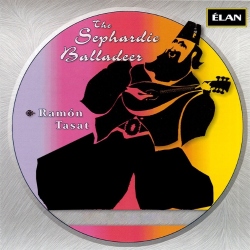
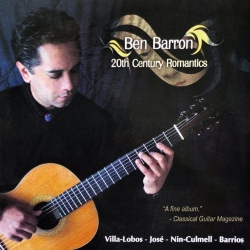
3
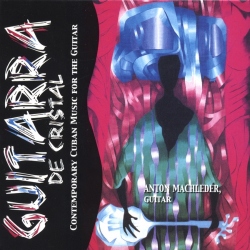
52
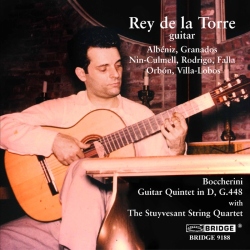
6
1:43
8
1:54

12
5:45
Copyright Ⓒ 2013 Davinci Finger. All rights reseved
Service Terms & Policy