


James Erber

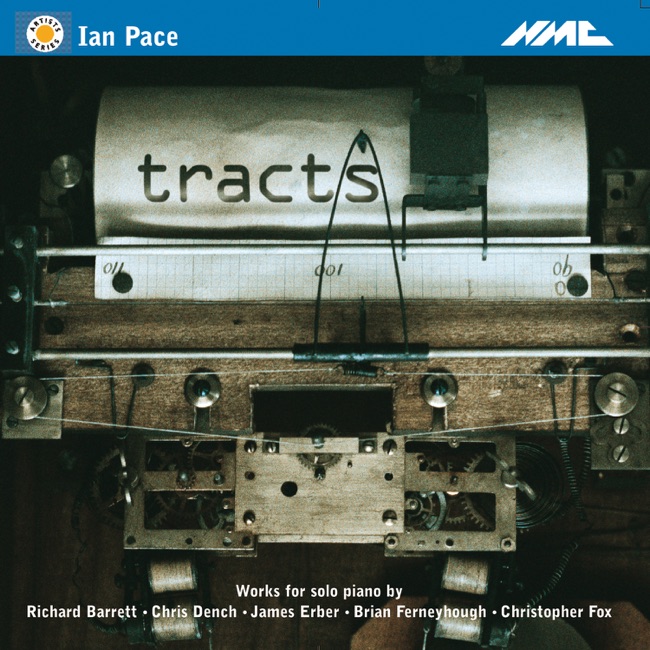
Artist Info
Role:ComposerBirth:1951Genre:KeyboardJames Erber is a British composer who was born in 1951 in London. He grew up in a family of musicians, with his father being a professional violinist and his mother a pianist. Erber started playing the piano at a young age and showed a natural talent for music. He went on to study music at the University of York, where he received a Bachelor of Music degree in 1973. After completing his studies, Erber worked as a freelance composer and pianist, performing in various concerts and events. He also taught music at several schools and universities, including the University of Sussex and the Royal Academy of Music. Erber's early works were influenced by the avant-garde and experimental music of the 1960s and 1970s. He was particularly interested in the use of electronic and computer-generated sounds in music, and he incorporated these elements into his compositions. Some of his early works include "Three Pieces for Piano" (1972), "Electronic Music for Tape" (1974), and "Music for Solo Flute" (1975). In the 1980s, Erber's style began to evolve, and he started to incorporate more traditional elements into his music. He became interested in the music of the Baroque and Classical periods, as well as the music of non-Western cultures. He also began to experiment with different forms and structures, such as the use of mathematical algorithms and fractals in his compositions. One of Erber's most significant works from this period is "The Garden of Cyrus" (1985), a piece for chamber ensemble that is based on the writings of the 17th-century philosopher Sir Thomas Browne. The piece is structured around a series of musical "gardens," each of which represents a different aspect of Browne's philosophy. The music is characterized by its intricate counterpoint and use of Baroque-style ornamentation. In the 1990s, Erber continued to explore new forms and styles in his music. He became interested in the music of the Middle East and Asia, and he incorporated elements of these traditions into his compositions. He also began to experiment with different types of ensembles, such as the use of electronic instruments and live performers. One of Erber's most notable works from this period is "The Seven Wonders of the Ancient World" (1995), a piece for orchestra and electronics that is based on the seven wonders of the ancient world. The music is characterized by its use of exotic scales and rhythms, as well as its incorporation of electronic sounds and effects. In the 2000s, Erber's music became more introspective and personal. He began to focus on the use of silence and space in his compositions, as well as the exploration of different timbres and textures. He also continued to experiment with different forms and structures, such as the use of chance operations and improvisation. One of Erber's most significant works from this period is "The Long White Cloud" (2003), a piece for solo piano that is based on the landscape and culture of New Zealand. The music is characterized by its use of minimalist techniques, such as the repetition of simple motifs and the gradual development of musical ideas. Erber's music has been performed and recorded by many prominent musicians and ensembles, including the London Sinfonietta, the BBC Symphony Orchestra, and the Arditti Quartet. He has also received numerous awards and honors for his work, including the British Composer Award in 2006.More....
Recent Artist Music
Copyright Ⓒ 2013 Davinci Finger. All rights reseved
Service Terms & Policy