


Marcel Tabuteau
Released Album
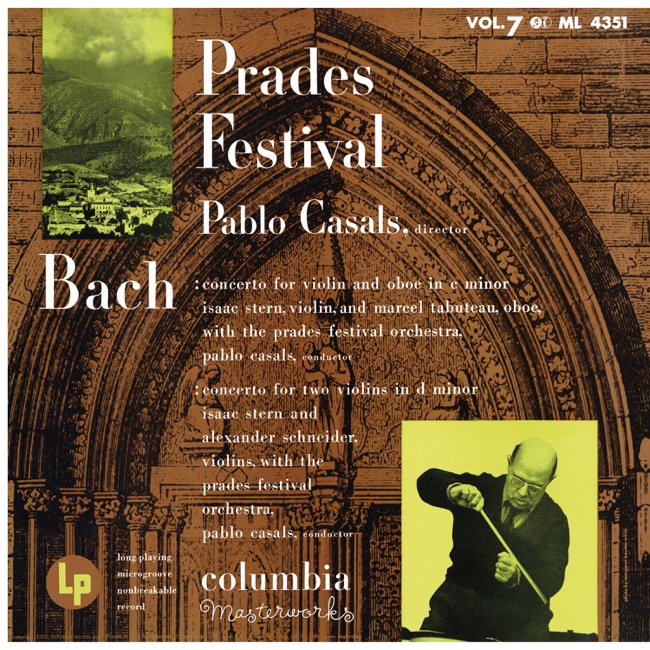
Concerto
-
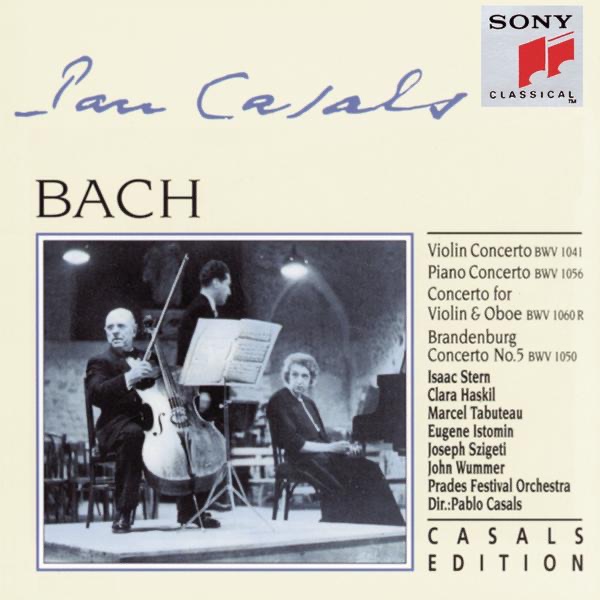 February 22, 1994
 -
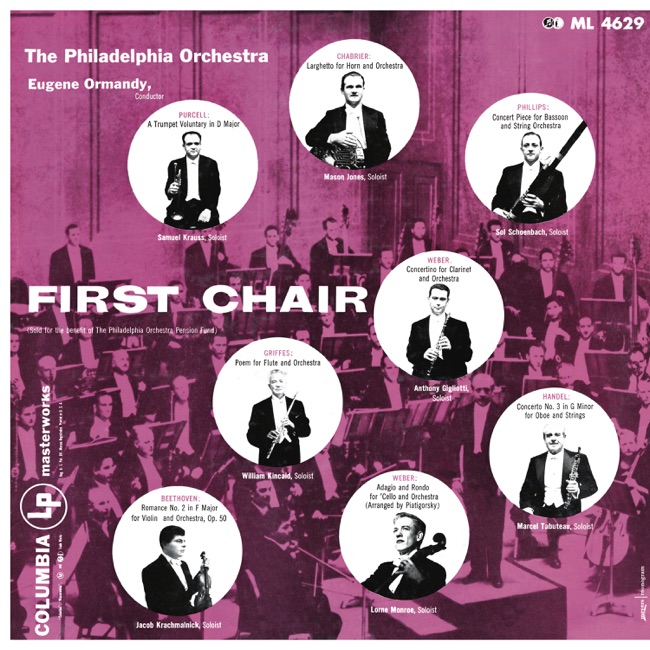 February 16, 1953
 -
Chamber
-
 July 7, 2006
Artist Info
Role:ComposerPeriod:BaroqueClassicalModernGenre:SymphonyMarcel Tabuteau was a French oboist and teacher who is widely regarded as one of the most influential figures in the development of the modern oboe. Born on July 2, 1887, in Compiègne, France, Tabuteau began his musical studies at a young age, studying the oboe with Georges Gillet at the Paris Conservatory. He quickly established himself as a prodigious talent, winning the Conservatory's top prize for oboe performance at the age of 16. After completing his studies, Tabuteau joined the orchestra of the Paris Opera, where he quickly gained a reputation as one of the finest oboists of his generation. He also began to develop his own unique approach to oboe playing, which emphasized a warm, expressive tone and a highly nuanced approach to phrasing and articulation. In 1915, Tabuteau was drafted into the French army to serve in World War I. He was wounded in battle and spent several months recovering in a military hospital. During this time, he continued to practice the oboe and even gave performances for his fellow soldiers. After the war, Tabuteau returned to the Paris Opera, where he remained until 1928. During this time, he also began to establish himself as a soloist and chamber musician, performing with some of the leading musicians of the day, including Pablo Casals and Jacques Thibaud. In 1928, Tabuteau was invited to join the Philadelphia Orchestra as its principal oboist. This marked the beginning of a long and fruitful association with the orchestra, which would last for over 20 years. During this time, Tabuteau became known for his impeccable technique, his beautiful tone, and his ability to blend seamlessly with the other members of the orchestra. Tabuteau's tenure with the Philadelphia Orchestra was marked by numerous highlights, including his performance of the oboe solo in Richard Strauss's "Also sprach Zarathustra" at the orchestra's first performance of the work in 1935. He also played a key role in the orchestra's recording of Igor Stravinsky's "The Rite of Spring" in 1940, which is widely regarded as one of the greatest recordings of the work ever made. In addition to his work with the Philadelphia Orchestra, Tabuteau was also a highly sought-after teacher. He taught at the Curtis Institute of Music in Philadelphia, where he mentored a generation of young oboists, including John de Lancie, who would go on to become the principal oboist of the Philadelphia Orchestra after Tabuteau's retirement. Tabuteau's teaching style was highly individualistic, emphasizing the importance of developing a personal approach to the oboe. He encouraged his students to experiment with different techniques and to find their own unique voice on the instrument. Many of his students went on to become successful oboists in their own right, and his influence can still be felt in the world of classical music today. Tabuteau retired from the Philadelphia Orchestra in 1954, but he continued to teach and perform until his death in 1966. He was widely recognized as one of the greatest oboists of his generation, and his contributions to the development of the modern oboe continue to be felt today. In recognition of his achievements, he was awarded the Legion of Honor by the French government in 1958. In conclusion, Marcel Tabuteau was a highly influential figure in the world of classical music, whose contributions to the development of the modern oboe continue to be felt today.More....
Recent Artist Music
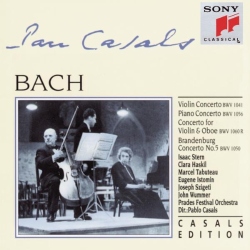
2
14:25
3
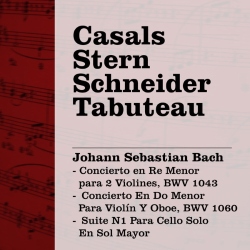
4:17
4
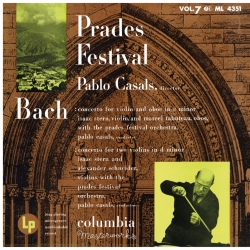
5:52
5
7:48
6
3:23
Copyright Ⓒ 2013 Davinci Finger. All rights reseved
Service Terms & Policy