


Ian Anderson
Artist Info
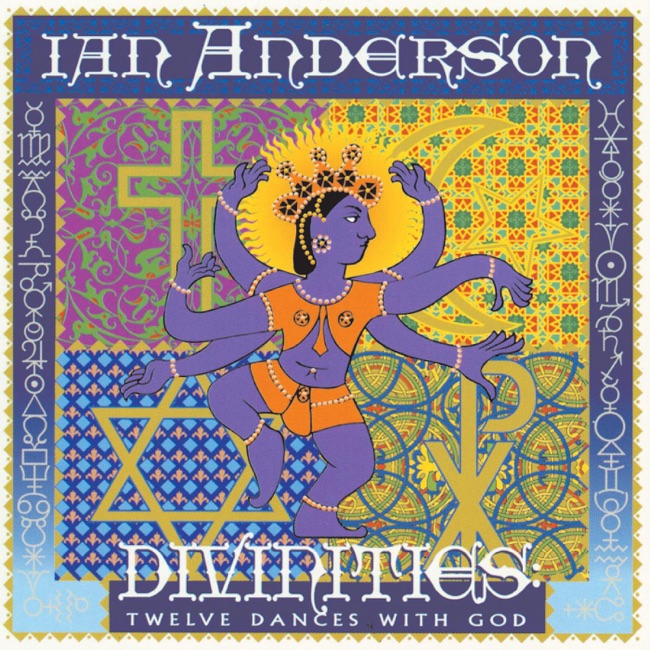
Role:ComposerCountry: United KingdomBirth:August 10, 1947 in Dunfermline, Fife, ScotlandIan Anderson is a British musician, singer, songwriter, and composer who is best known as the lead vocalist and flautist of the progressive rock band Jethro Tull. Born on August 10, 1947, in Dunfermline, Scotland, Anderson grew up in a musical family and started playing the flute at the age of 11. He attended Blackpool College of Art to study fine art but dropped out to pursue a career in music. Anderson formed Jethro Tull in 1967 with guitarist Mick Abrahams, bassist Glenn Cornick, and drummer Clive Bunker. The band's name was inspired by the 18th-century agriculturalist Jethro Tull. Their music blended elements of rock, folk, blues, and classical music, and Anderson's distinctive flute playing became a signature sound of the band. Jethro Tull's debut album, "This Was," was released in 1968 and featured a mix of blues and jazz-influenced rock. The album received critical acclaim and established the band as a rising force in the British music scene. Their second album, "Stand Up," released in 1969, marked a shift towards a more progressive rock sound and featured Anderson's first composition, "Bourée," which was based on a piece by Johann Sebastian Bach. Anderson's classical music influences became more prominent in Jethro Tull's subsequent albums, including "Benefit" (1970), "Aqualung" (1971), and "Thick as a Brick" (1972). The latter album was a concept album that parodied the conventions of progressive rock and featured a 44-minute long title track that was divided into two parts. Anderson's compositional skills continued to evolve, and he wrote the music for Jethro Tull's 1973 album "A Passion Play," which was another concept album that explored the themes of life, death, and the afterlife. The album was initially met with mixed reviews but has since been reevaluated as a classic of progressive rock. Jethro Tull's success continued throughout the 1970s, with Anderson's compositions becoming more complex and ambitious. The band's 1974 album "War Child" was a satirical take on the music industry, while "Minstrel in the Gallery" (1975) and "Songs from the Wood" (1977) showcased Anderson's interest in medieval and folk music. Anderson's classical music influences were also evident in Jethro Tull's 1978 album "Heavy Horses," which featured a suite of songs inspired by the English countryside. The album was a critical and commercial success and is considered one of the band's best works. In the 1980s, Jethro Tull's popularity waned, and Anderson began to explore other musical avenues. He released his first solo album, "Walk into Light," in 1983, which featured a more electronic sound than his work with Jethro Tull. He also collaborated with other musicians, including former Yes keyboardist Rick Wakeman and classical guitarist Andres Segovia. Anderson continued to release solo albums throughout the 1990s and 2000s, including "Divinities: Twelve Dances with God" (1995), which featured arrangements of traditional hymns and folk songs, and "Rupi's Dance" (2003), which was inspired by the poetry of Rumi. In addition to his work as a musician and composer, Anderson has also been involved in various philanthropic and environmental causes. He is a supporter of the World Wildlife Fund and has been involved in campaigns to protect endangered species and their habitats. Ian Anderson's contributions to classical music and progressive rock have been significant and enduring.More....
Recent Artist Music
Copyright Ⓒ 2013 Davinci Finger. All rights reseved
Service Terms & Policy