


Alberto Posadas
Released Album
Chamber
-
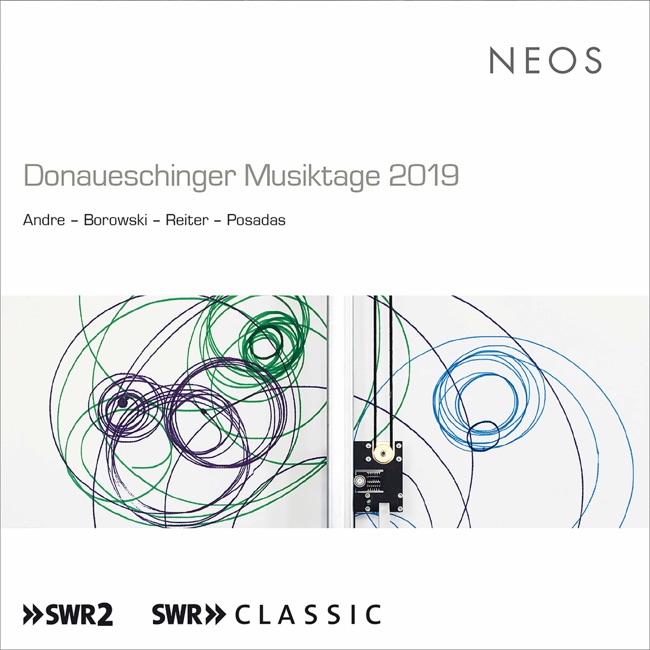
-
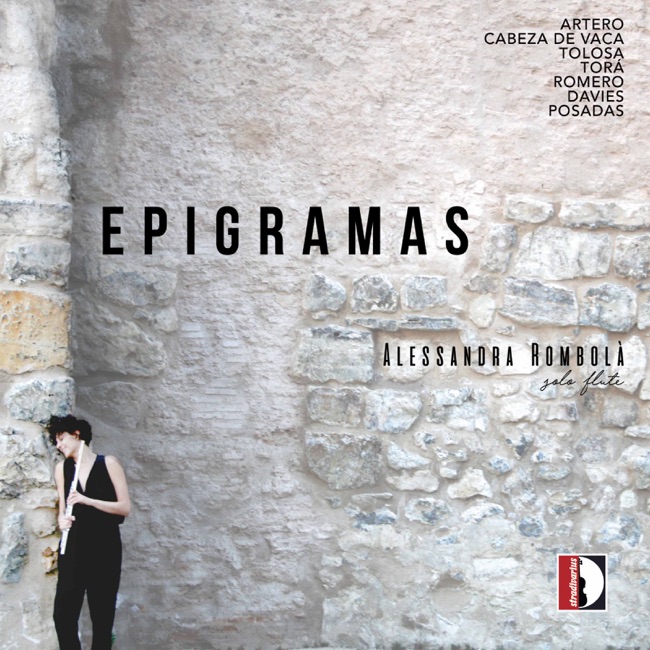 October 6, 2017
 -
 December 12, 2011
 -
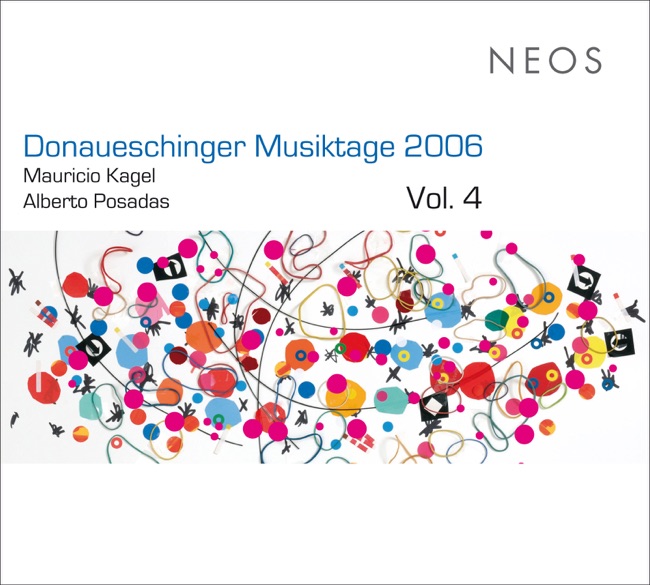 May 27, 2008
Vocal
-
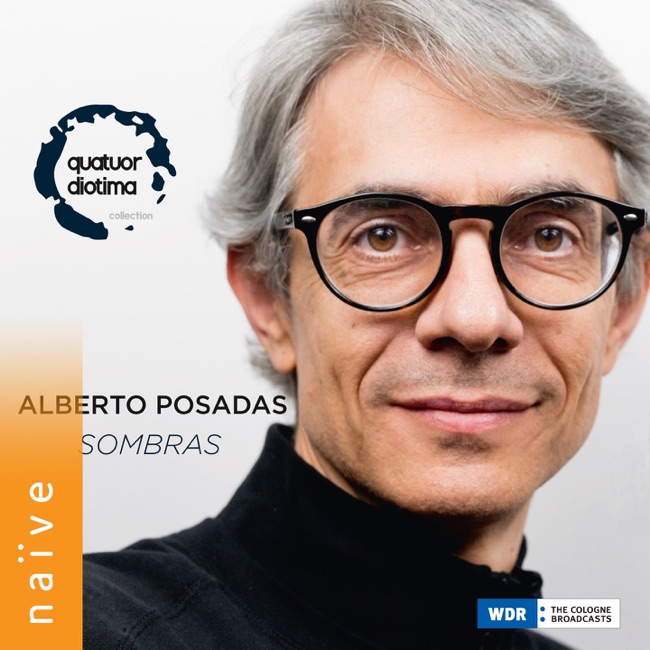 November 3, 2017
Keyboard
-
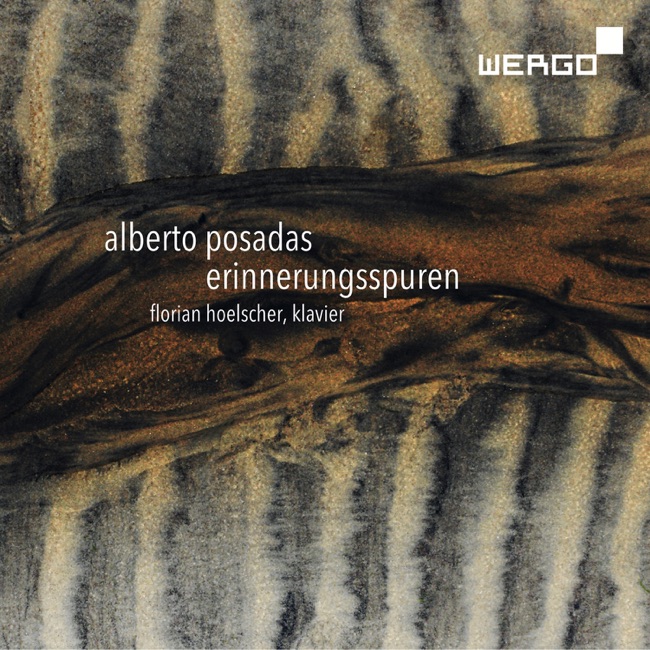 January 11, 2019
Artist Info
Role:ComposerBirth:1967Alberto Posadas is a contemporary classical music composer born on December 18, 1967, in Valladolid, Spain. He grew up in a family of musicians, with his father being a composer and his mother a pianist. This musical environment influenced Posadas from a young age, and he began studying music at the age of six. Posadas studied composition at the Madrid Royal Conservatory of Music, where he was taught by Francisco Guerrero and Luis de Pablo. He also studied at the Paris Conservatory with Tristan Murail and Gérard Grisey, two prominent figures in the field of spectral music. This experience had a significant impact on Posadas' compositional style, which is characterized by the use of spectral techniques and a focus on sound color and timbre. Posadas' early works were influenced by the music of his father, as well as by the Spanish avant-garde movement of the 1980s. His first major composition, "Tres piezas para piano" (Three Pieces for Piano), was written in 1989 and reflects these influences. The work is characterized by its use of dissonant harmonies and complex rhythms, as well as its exploration of the piano's timbral possibilities. In the 1990s, Posadas began to incorporate spectral techniques into his compositions. This approach involves analyzing the sound spectrum of a particular sound or instrument and using this information to create new timbres and textures. Posadas' use of spectral techniques can be heard in works such as "Liturgia fractal" (Fractal Liturgy), written in 1995 for orchestra and electronics. The piece is based on the idea of a fractal, a mathematical concept in which a pattern is repeated at different scales. This idea is reflected in the music, which features repeating patterns and textures that are gradually transformed over time. Posadas' music has been performed by many prominent ensembles and orchestras, including the Ensemble Intercontemporain, the Orchestre National de France, and the London Sinfonietta. He has also been the recipient of numerous awards and honors, including the Spanish National Music Prize in 2011. One of Posadas' most notable works is "Diptico de la soledad" (Diptych of Solitude), written in 2002 for cello and electronics. The piece is divided into two movements, each of which explores the theme of solitude in different ways. The first movement, "El eco de tu ausencia" (The Echo of Your Absence), features a solo cello accompanied by electronic sounds that are created using spectral techniques. The second movement, "La soledad de los números primos" (The Solitude of Prime Numbers), is based on the novel of the same name by Italian author Paolo Giordano. The music reflects the themes of the novel, which explores the idea of two individuals who are connected but unable to communicate with each other. Another notable work by Posadas is "Tratado de lo inasible" (Treatise on the Ineffable), written in 2010 for orchestra and electronics. The piece is based on the idea of the ineffable, or that which cannot be expressed in words. The music reflects this idea through its use of spectral techniques and its exploration of sound color and timbre. The piece also features electronic sounds that are created using recordings of the orchestra, which are then transformed using spectral analysis. Posadas' music is characterized by its complexity and its focus on sound color and timbre.More....
Recent Artist Music
Copyright Ⓒ 2013 Davinci Finger. All rights reseved
Service Terms & Policy