


Paul Miersch
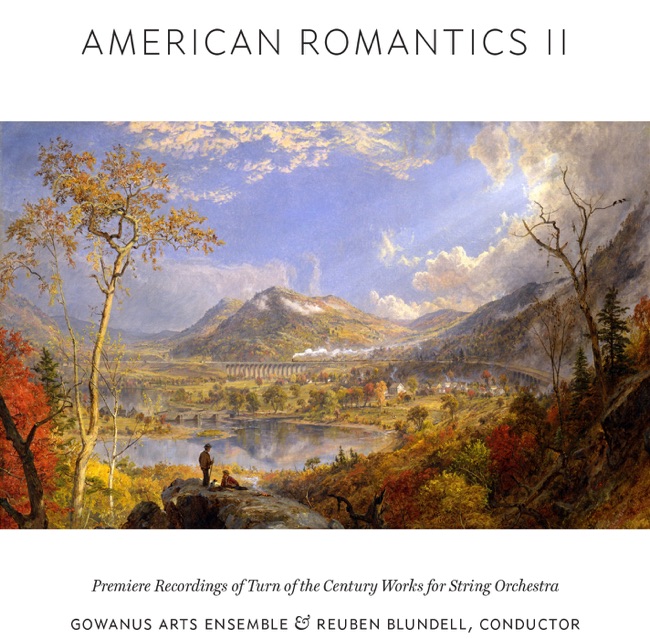
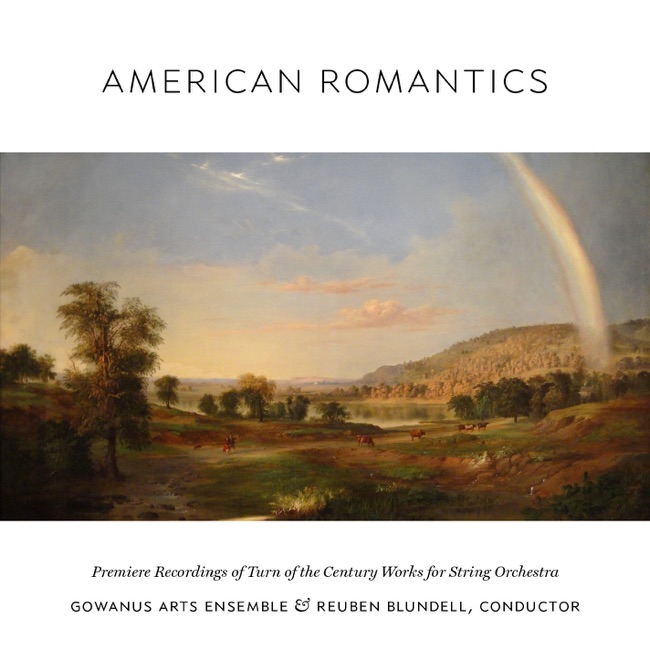
Artist Info
Role:ComposerBirth:1868Death:1956Paul Miersch was a German composer born on August 22, 1879, in the city of Dresden. He was the son of a music teacher and grew up in a family that was passionate about music. His father, Gustav Miersch, was a respected music teacher who taught Paul and his siblings the basics of music theory and performance. As a child, Paul showed a great interest in music and began playing the piano at a young age. He was a gifted musician and quickly developed his skills, impressing his father and other musicians in the community. At the age of 14, he began studying composition with the renowned composer and conductor, Felix Draeseke. Miersch continued his studies at the Dresden Conservatory, where he studied composition with Felix Weingartner and piano with Ernst Rudorff. He also studied with the famous composer Max Reger, who had a significant influence on his musical style. Miersch was a diligent student and quickly gained a reputation as a talented composer and pianist. In 1903, Miersch moved to Berlin, where he continued his studies with Reger and began working as a freelance composer and pianist. He quickly established himself as a respected musician in the city's music scene and began receiving commissions for his compositions. His early works were heavily influenced by the Romantic composers of the time, such as Brahms and Wagner. Miersch's breakthrough came in 1908 when his Symphony No. 1 was premiered in Berlin. The symphony was well-received by critics and audiences alike, and it established Miersch as a major figure in German classical music. The symphony was praised for its lush orchestration and emotional depth, and it remains one of Miersch's most popular works. Over the next few years, Miersch continued to compose and perform, and his reputation as a composer grew. He was known for his ability to blend traditional German musical forms with modern harmonies and rhythms, creating a unique and distinctive style. His works were often characterized by their emotional intensity and dramatic flair. In 1914, Miersch was drafted into the German army and served in World War I. He was wounded in battle and spent several months in a military hospital. During this time, he continued to compose, and his experiences in the war had a profound impact on his music. His works became more introspective and reflective, and he began to explore themes of loss and grief. After the war, Miersch returned to Berlin and resumed his career as a composer and pianist. He continued to compose works in a variety of genres, including symphonies, concertos, chamber music, and operas. His works were performed by some of the most prestigious orchestras and ensembles in Europe, and he received numerous awards and honors for his contributions to classical music. One of Miersch's most famous works is his Piano Concerto No. 2, which was premiered in 1923. The concerto is known for its virtuosic piano writing and its lush orchestration. It remains one of the most popular piano concertos in the classical repertoire and is frequently performed by pianists around the world. Miersch's other notable works include his Symphony No. 2, which was premiered in 1927, and his opera, Die Stadt, which was premiered in 1931. The symphony is known for its complex harmonies and intricate orchestration, while the opera is a powerful exploration of the human condition. In addition to his work as a composer, Miersch was also a respected music educator.More....
Recent Artist Music
1
Pleasant memories (Gais Souvenirs) - Pizzicato Caprice
Pleasant memories (Gais Souvenirs) - Pizzicato Caprice pour Instruments à cordes
2:5
Copyright Ⓒ 2013 Davinci Finger. All rights reseved
Service Terms & Policy