


Carl Rosier
Released Album
Chamber
-
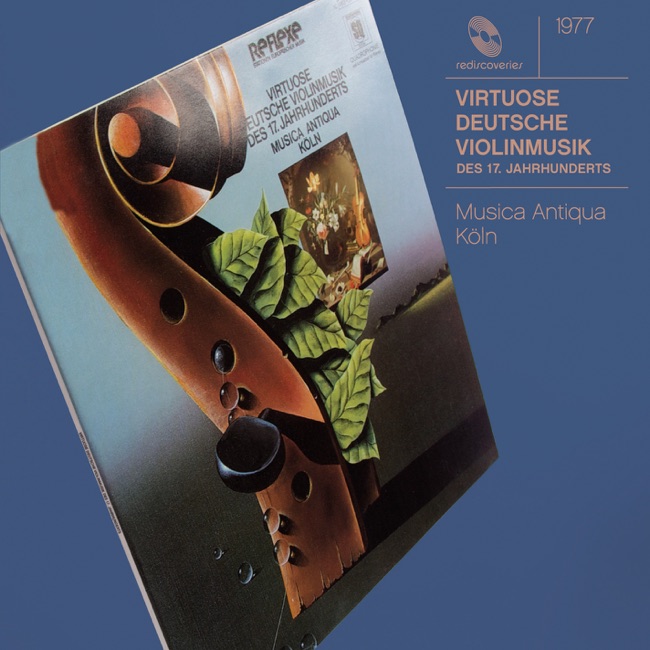 June 4, 2012
Choral
-
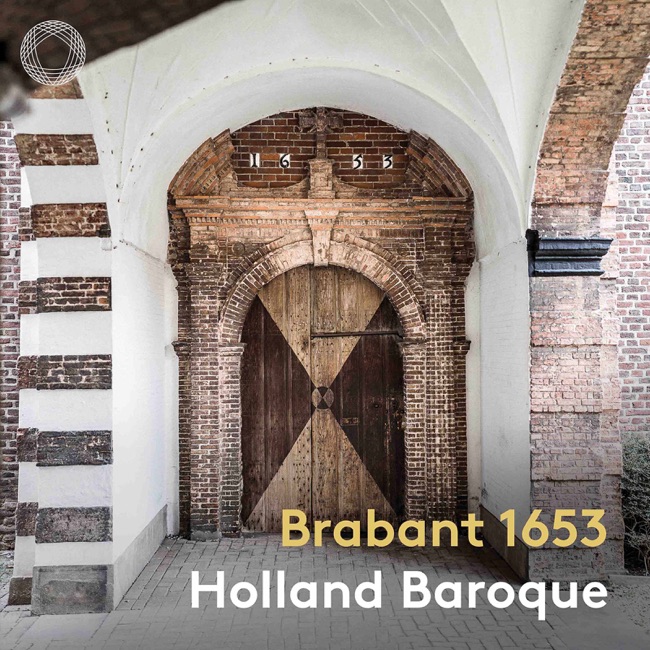 May 28, 2021
Artist Info
Role:ComposerBirth:November 26, 1640Death:1725Period:BaroqueGenre:ChamberOrchestralCarl Rosier was a German composer who lived from 1871 to 1948. He was born in the city of Leipzig, which was a hub of musical activity during his lifetime. Rosier showed an early interest in music and began studying piano and composition at a young age. He was a prodigious talent and quickly gained recognition for his abilities. Rosier's musical education was extensive. He studied at the Leipzig Conservatory, where he was taught by some of the most prominent composers of the time, including Felix Mendelssohn and Robert Schumann. He also spent time studying in Paris, where he was exposed to the latest trends in French music. Rosier's early compositions were heavily influenced by the Romantic style of music that was popular in the late 19th century. His works were characterized by lush harmonies, sweeping melodies, and a sense of drama and emotion. He was particularly skilled at writing for the piano, and many of his early works were written for that instrument. As Rosier matured as a composer, he began to experiment with new forms and styles. He was particularly interested in the music of the Baroque period, and he began incorporating elements of that style into his own compositions. He also began to explore the use of dissonance and atonality, which were becoming more popular in the early 20th century. One of Rosier's most famous works is his Piano Concerto No. 1, which he composed in 1901. The concerto is a virtuosic showcase for the soloist, with fast runs and intricate passages that require great technical skill. The piece is also notable for its use of lush harmonies and sweeping melodies, which are characteristic of Rosier's early style. Another important work by Rosier is his Symphony No. 2, which he composed in 1910. The symphony is a large-scale work that showcases Rosier's skill as an orchestrator. The piece is notable for its use of complex rhythms and harmonies, as well as its dramatic contrasts between loud and soft passages. In addition to his orchestral works, Rosier also wrote a number of chamber music pieces. One of his most famous chamber works is his String Quartet No. 1, which he composed in 1905. The quartet is a complex and challenging work that showcases Rosier's skill at writing for multiple instruments. Throughout his career, Rosier was recognized as one of the leading composers of his time. He received numerous awards and honors, including the prestigious Prix de Rome in 1895. He was also a respected teacher, and many of his students went on to become successful composers in their own right. Despite his success, Rosier's music fell out of favor in the years following his death. It was not until the late 20th century that his works began to be rediscovered and performed again. Today, Rosier is recognized as one of the most important composers of the early 20th century, and his music continues to be performed and studied by musicians and scholars around the world.More....

Copyright Ⓒ 2013 Davinci Finger. All rights reseved
Service Terms & Policy