


Jean-Jacques Rousseau
Released Album
Opera
-
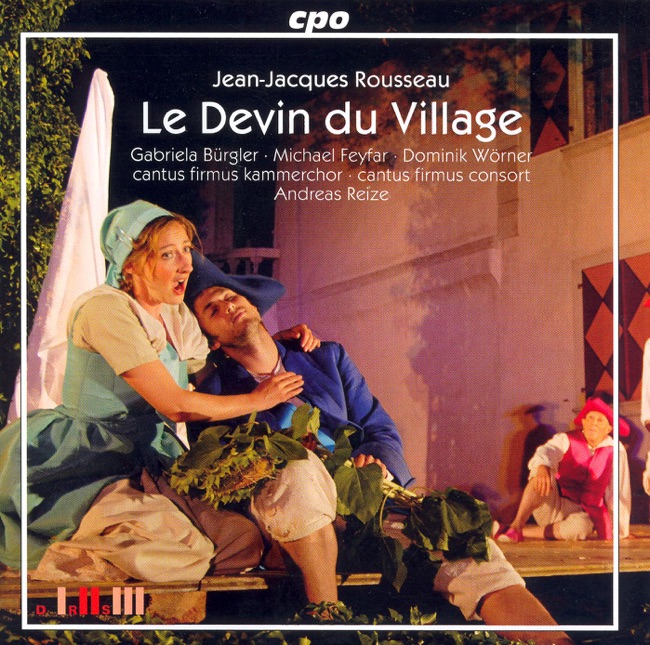 October 30, 2007
 -
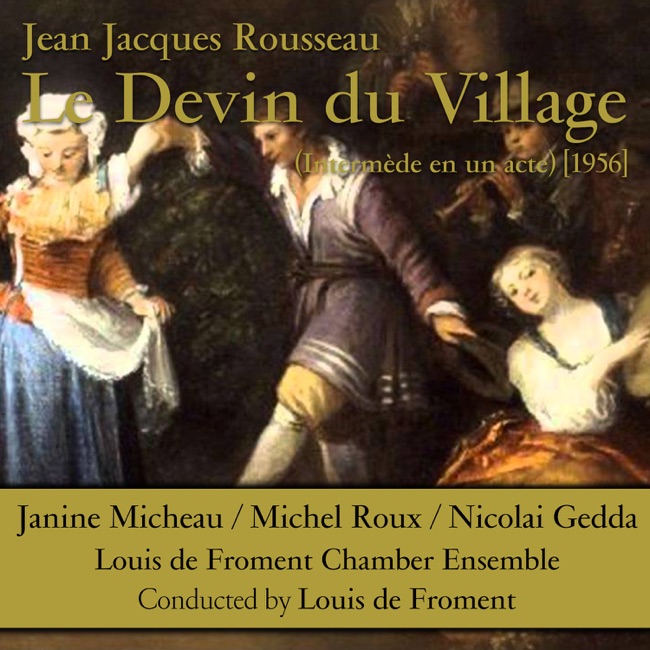 June 23, 1998
 -
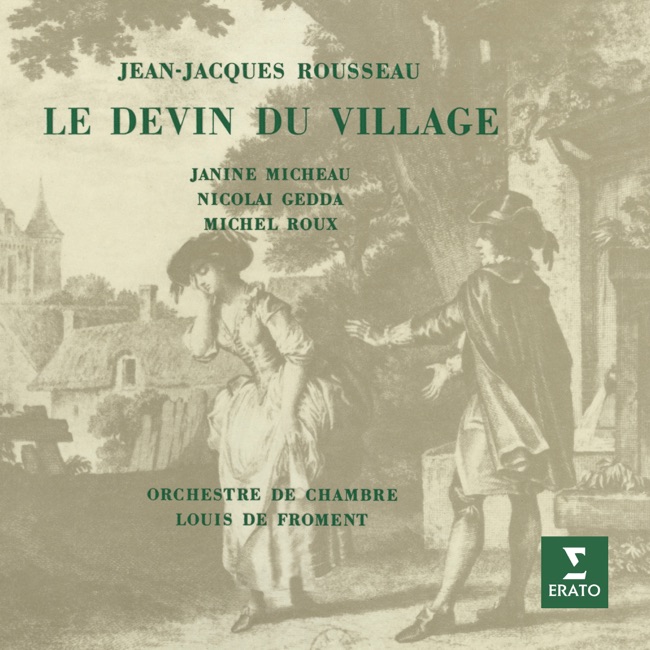 January 1, 1956
Vocal
-
 November 16, 2018
 -
 November 27, 2001
Artist Info
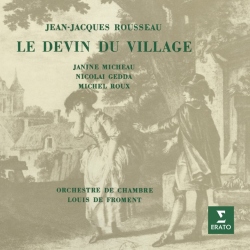
Role:ComposerCountry: SwitzerlandBirth:June 28, 1712Death:July 2, 1778Period:BaroqueGenre:OperaVocalJean-Jacques Rousseau was a prominent composer of the classical music era. He was born on June 28, 1712, in Geneva, Switzerland. Rousseau's father, Isaac Rousseau, was a watchmaker, and his mother, Suzanne Bernard, died shortly after his birth. Rousseau's father left him in the care of his maternal uncle, who sent him to a boarding school in Bossey, where he received a basic education. Rousseau's love for music began at an early age. He learned to play the flute and the violin, and he also had a talent for singing. Rousseau's uncle recognized his musical abilities and arranged for him to receive music lessons from a local musician. Rousseau's musical education continued when he moved to Paris in 1728, where he studied music theory and composition with the composer Jean-Philippe Rameau. Rousseau's first major work was a one-act opera called "Le Devin du Village" (The Village Soothsayer), which he composed in 1752. The opera was a huge success and was performed throughout Europe. "Le Devin du Village" is a pastoral opera that tells the story of a young couple who fall in love in a rural village. The opera's music is characterized by its simple melodies and harmonies, which reflect Rousseau's belief that music should be natural and expressive. Rousseau's next major work was his "Dictionnaire de Musique" (Dictionary of Music), which he published in 1768. The dictionary was a comprehensive guide to music theory and notation, and it was widely used by musicians and composers throughout Europe. Rousseau's "Dictionnaire de Musique" was also notable for its inclusion of a section on the theory of harmony, which was a new and innovative approach to music theory at the time. In addition to his work as a composer and music theorist, Rousseau was also a philosopher and political theorist. His most famous work, "The Social Contract," was published in 1762 and had a profound impact on political thought in Europe. Rousseau's philosophy emphasized the importance of individual freedom and the need for a just and equitable society. Rousseau's music was influenced by his philosophical beliefs. He believed that music should be natural and expressive, and he rejected the formalism and complexity of much of the music of his time. Rousseau's music was characterized by its simplicity and clarity, and it was often inspired by the natural world. Rousseau's later works included a collection of songs called "Les Consolations" (The Consolations), which he composed in 1778. The songs were written in response to the death of his friend and fellow philosopher, David Hume. "Les Consolations" is a collection of melancholy and reflective songs that express Rousseau's grief and his belief in the power of music to console and heal. Rousseau died on July 2, 1778, in Ermenonville, France. His legacy as a composer and music theorist has endured to this day. Rousseau's emphasis on naturalness and simplicity in music has influenced many composers, including Ludwig van Beethoven and Claude Debussy. His "Dictionnaire de Musique" remains an important reference work for musicians and composers, and his philosophy of individual freedom and social justice continues to inspire political thought and action.More....
Recent Artist Music
6
Spring by Vivaldi in E major
Le Printemps de Vivaldi (transcription of vivaldi's spring RV 269 from the Four Seasons)
3:57
Related Artists
Copyright Ⓒ 2013 Davinci Finger. All rights reseved
Service Terms & Policy