


Haim Permont
Released Album
Chamber
-
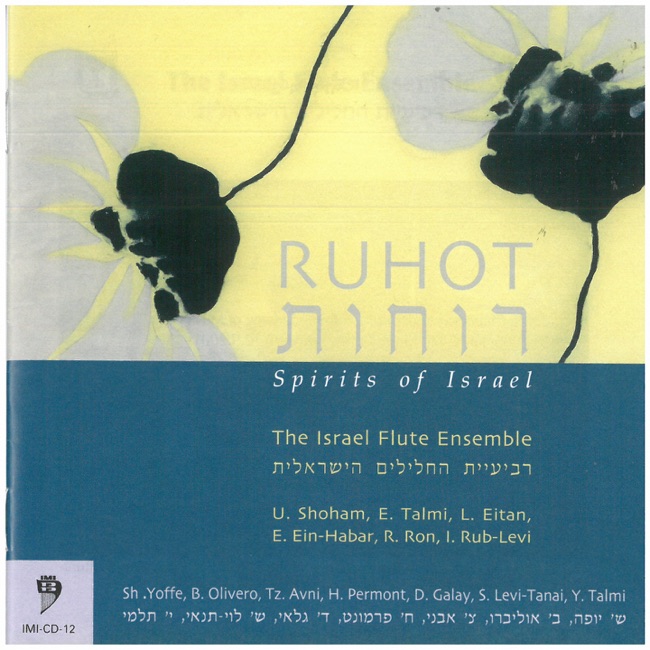 August 12, 2014
 -
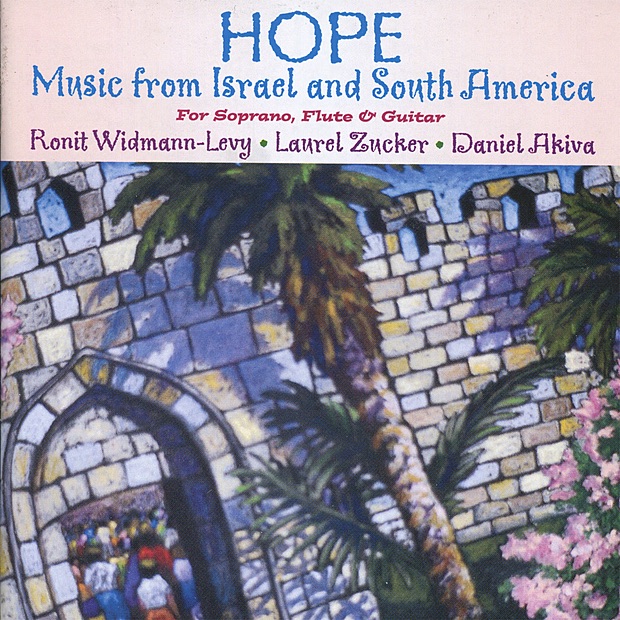 July 20, 2004
Artist Info
Role:ComposerHaim Permont was a classical music composer born on December 25, 1925, in Tel Aviv, Israel. He was the youngest of four children in a family of musicians. His father, Yitzhak Permont, was a violinist and conductor, and his mother, Rachel Permont, was a pianist. Haim's siblings were also musically inclined, with his brother, Shmuel, becoming a renowned cellist. Haim began his musical education at a young age, studying piano with his mother and later with the renowned pianist, Leo Kestenberg. He also studied composition with Paul Ben-Haim, a German-born Israeli composer who was a major influence on Haim's musical style. In 1943, Haim joined the Israeli Defense Forces and served as a musician in the army band. After his military service, he continued his musical studies at the Jerusalem Academy of Music and Dance, where he studied composition with Mark Lavry. Haim's early compositions were influenced by the folk music of Israel and the Middle East, as well as by the classical music of Europe. His first major work, the Symphony No. 1, was premiered in 1952 and was well-received by audiences and critics alike. The symphony was characterized by its use of Middle Eastern melodies and rhythms, as well as its lush orchestration. In the years that followed, Haim continued to compose works that blended elements of Israeli and Middle Eastern music with classical forms and techniques. His compositions included orchestral works, chamber music, and vocal music. One of Haim's most famous works is the ballet, "The Dybbuk," which was premiered in 1974. The ballet was based on a play by S. Ansky and told the story of a young bride possessed by the spirit of her dead lover. The music for the ballet was characterized by its use of Jewish folk melodies and rhythms, as well as its dramatic and emotional intensity. Another notable work by Haim is the oratorio, "The Song of Songs," which was premiered in 1983. The oratorio was based on the biblical book of the same name and featured soloists, choir, and orchestra. The music for the oratorio was characterized by its use of Hebrew texts and its lyrical and expressive melodies. Throughout his career, Haim received numerous awards and honors for his contributions to Israeli and classical music. He was awarded the Israel Prize in 1992, the highest honor given by the State of Israel for excellence in the arts and sciences. He was also awarded the ACUM Prize for Lifetime Achievement in 2001. Haim continued to compose music until his death on January 29, 2015, at the age of 89. His legacy as a composer and musician continues to inspire and influence generations of musicians and music lovers around the world.More....
Recent Artist Music
Copyright Ⓒ 2013 Davinci Finger. All rights reseved
Service Terms & Policy