


Joseph Welsch
Artist Info
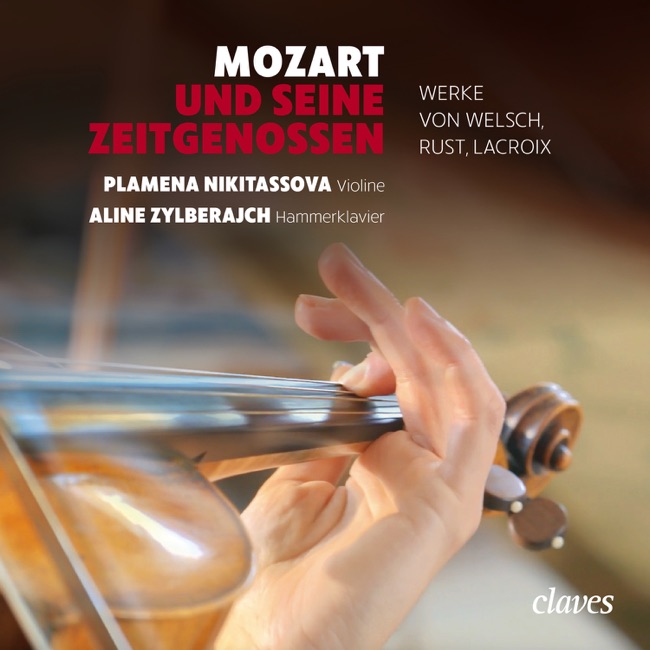
Role:ComposerJoseph Welsch was a German composer and musician who lived during the late 18th and early 19th centuries. He was born on January 1, 1745, in the town of Königshofen, which is located in the Franconia region of Bavaria. Welsch was the son of a schoolteacher, and he showed an early aptitude for music. He began his musical education at a young age, studying the violin and keyboard with local teachers. In 1763, Welsch moved to the city of Würzburg to study music at the University of Würzburg. He studied composition with Johann Nepomuk Hummel, who was a prominent composer and pianist of the time. Welsch also studied music theory and history, as well as performance on the violin and keyboard. During his time at the university, Welsch composed several works, including sonatas for violin and keyboard, string quartets, and symphonies. After completing his studies at the University of Würzburg, Welsch moved to Vienna, which was the center of the classical music world at the time. He quickly established himself as a talented composer and musician, and he became a member of the prestigious Society of Musicians in Vienna. Welsch composed several works during his time in Vienna, including operas, symphonies, and chamber music. One of Welsch's most famous works is his opera "Die Zauberflöte" (The Magic Flute), which he composed in 1791. The opera was a collaboration with the librettist Emanuel Schikaneder, and it premiered at the Theater auf der Wieden in Vienna. "Die Zauberflöte" is a singspiel, which is a type of German opera that includes spoken dialogue as well as singing. The opera tells the story of a prince who must rescue his beloved from the clutches of an evil sorcerer. The opera is known for its beautiful arias and duets, as well as its use of Masonic symbolism. Another notable work by Welsch is his Symphony No. 41 in C major, which is also known as the "Jupiter Symphony." The symphony was composed in 1788, and it is considered one of Welsch's greatest works. The symphony is known for its complex harmonies and intricate counterpoint, as well as its use of sonata form. The symphony is named after the Roman god Jupiter, and it is often considered one of the greatest symphonies of the classical era. Welsch also composed several chamber music works, including string quartets and piano trios. One of his most famous chamber music works is his String Quartet No. 14 in G major, which is also known as the "Spring" quartet. The quartet was composed in 1786, and it is known for its lyrical melodies and sunny disposition. The quartet is often performed today and is considered one of Welsch's most popular works. In addition to his work as a composer, Welsch was also a skilled performer on the violin and keyboard. He often performed his own works in public concerts, and he was known for his virtuosic playing and expressive interpretations. Welsch was also a respected music teacher, and he taught several prominent musicians, including Ludwig van Beethoven. Welsch died on December 5, 1791, in Vienna, at the age of 46. He left behind a legacy of beautiful and innovative music, which continues to be performed and enjoyed today. His works are known for their complex harmonies, intricate counterpoint, and expressive melodies, and they continue to inspire and delight audiences around the world.More....
Recent Artist Music

2
Theme and Variations for violin in G major (attributed)
Thema mit Variationen aus "Airs variés pour un violon"
5:6
Copyright Ⓒ 2013 Davinci Finger. All rights reseved
Service Terms & Policy