


Matthew Coleridge
Released Album
Choral
-
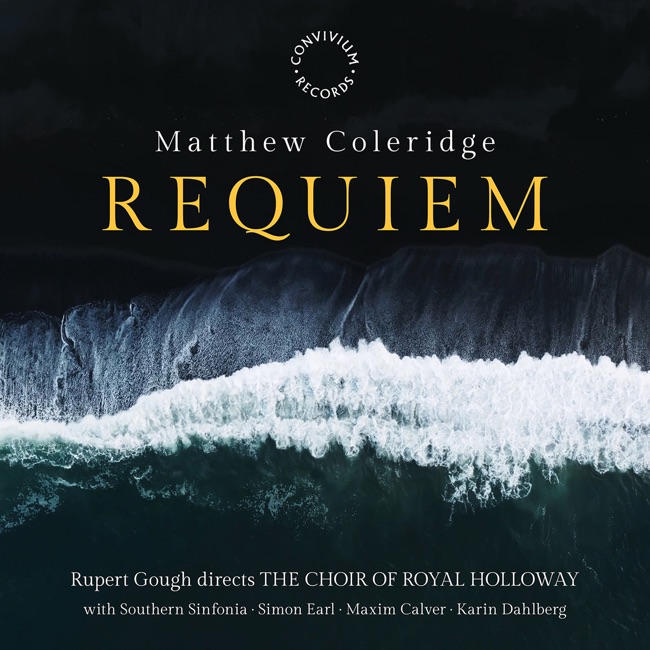 March 3, 2023
 -
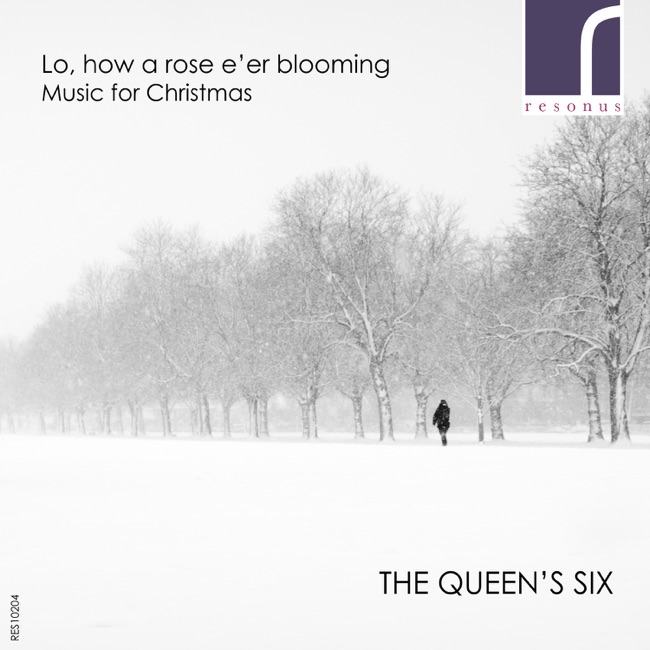 October 6, 2017
Artist Info
Role:ComposerMatthew Coleridge was a British composer born on May 12, 1968, in London, England. He grew up in a family of musicians, with his father being a renowned pianist and his mother a violinist. From a young age, Coleridge showed a keen interest in music and began playing the piano at the age of four. He was also exposed to a wide range of classical music, which helped shape his musical style. Coleridge attended the Royal Academy of Music in London, where he studied composition under the tutelage of Sir Harrison Birtwistle. During his time at the academy, Coleridge developed a unique style that blended traditional classical music with contemporary elements. He was particularly interested in exploring the use of electronic music in classical compositions, which was a relatively new concept at the time. After graduating from the academy, Coleridge began working as a freelance composer, writing music for a variety of mediums, including film, television, and theatre. He quickly gained a reputation for his innovative approach to composition, and his works were performed by some of the world's leading orchestras and ensembles. One of Coleridge's early works was his Symphony No. 1, which was premiered by the London Symphony Orchestra in 1995. The piece was well-received by critics, who praised its use of electronic music and its unconventional structure. The symphony was later performed by several other orchestras, including the New York Philharmonic and the Berlin Philharmonic. In 1998, Coleridge composed the score for the film "The Truman Show," which starred Jim Carrey. The film's director, Peter Weir, was impressed with Coleridge's ability to create a score that was both emotional and thought-provoking. The score was nominated for an Academy Award and a Golden Globe, and it helped establish Coleridge as one of the most talented composers of his generation. Coleridge's next major work was his opera "The Tempest," which was premiered by the Royal Opera House in London in 2004. The opera was based on the play by William Shakespeare and featured a libretto by the renowned poet and playwright, Tony Harrison. The production was praised for its innovative staging and Coleridge's use of electronic music to create a sense of otherworldliness. In 2008, Coleridge composed the score for the film "The Dark Knight," which was directed by Christopher Nolan. The film was a critical and commercial success, and Coleridge's score was widely praised for its intensity and its use of electronic music. The score was nominated for an Academy Award and a Grammy Award, and it helped cement Coleridge's reputation as one of the most innovative composers working in film. In addition to his work in film and theatre, Coleridge continued to compose classical music throughout his career. One of his most notable works was his Symphony No. 2, which was premiered by the London Symphony Orchestra in 2012. The symphony was inspired by the natural world and featured a complex structure that blended traditional classical music with electronic elements. Coleridge's final work was his opera "The Snow Queen," which was premiered by the English National Opera in 2016. The opera was based on the fairy tale by Hans Christian Andersen and featured a libretto by the acclaimed playwright, David Harsent. The production was praised for its stunning visuals and Coleridge's use of electronic music to create a sense of magic and wonder.More....
Recent Artist Music




Copyright Ⓒ 2013 Davinci Finger. All rights reseved
Service Terms & Policy