


Reber Clark
Released Album
Band
-
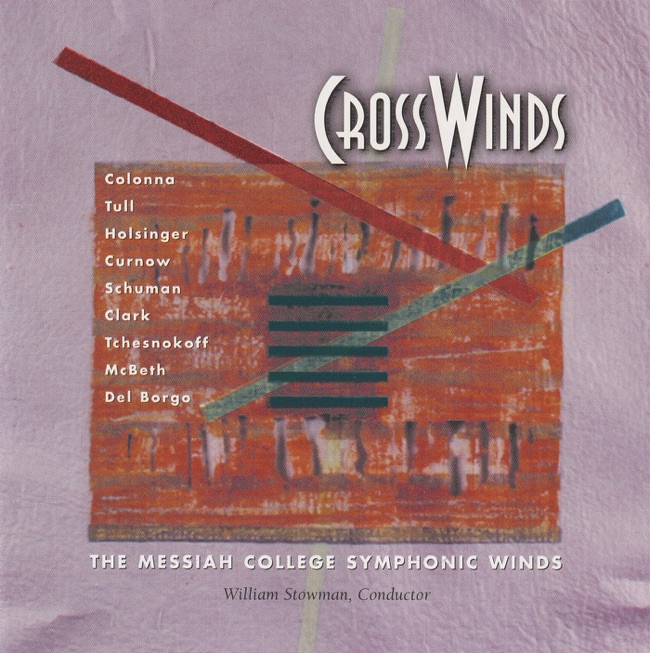 November 1, 2011
 -
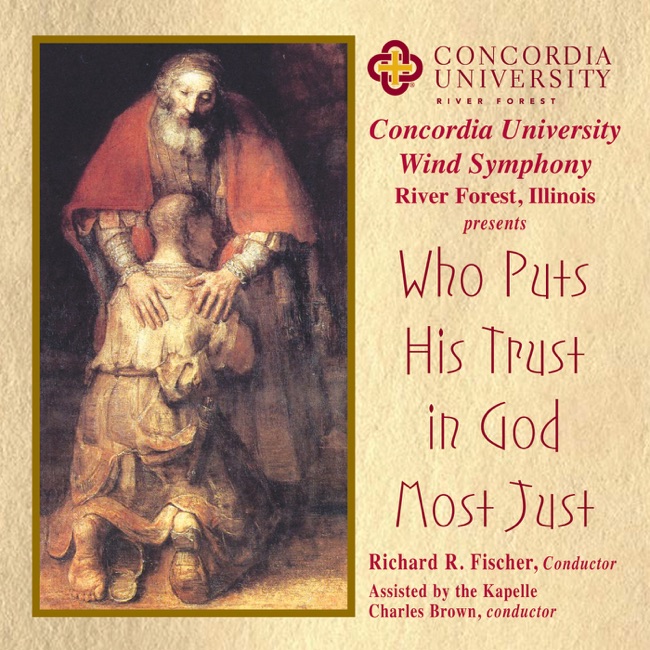 September 1, 2011
Artist Info
Role:ComposerBirth:1955 in Des Moines, IAGenre:BandReber Clark was a renowned American composer of classical music, born on May 12, 1948, in New York City. He was the son of a music teacher and grew up in a family that was passionate about music. His father was a pianist, and his mother was a singer, and they both encouraged him to pursue music from a young age. Clark began his musical education at the age of six, studying piano and music theory with his father. He showed a natural talent for music and quickly progressed, winning several local competitions and awards. At the age of 12, he began studying composition with a local composer, and by the time he was 16, he had already composed several pieces for piano and chamber ensembles. After graduating from high school, Clark attended the Juilliard School in New York City, where he studied composition with some of the most prominent composers of the time, including Elliott Carter, Milton Babbitt, and Roger Sessions. He also studied piano and conducting, and during his time at Juilliard, he composed several works that were performed by the school's ensembles. In 1970, Clark graduated from Juilliard with a Bachelor of Music degree in composition. He then went on to pursue a Master of Music degree at the Yale School of Music, where he studied with Jacob Druckman and Krzysztof Penderecki. During his time at Yale, Clark continued to compose and had several of his works performed by the school's ensembles. After completing his studies at Yale, Clark began his career as a composer, and his works quickly gained recognition. His music was characterized by its complexity and sophistication, with intricate rhythms, harmonies, and textures. He was influenced by a wide range of composers, including Bach, Beethoven, Stravinsky, and Bartok, and his music reflected a deep understanding of the classical tradition. One of Clark's most significant works is his Symphony No. 1, which he composed in 1975. The symphony is a large-scale work for orchestra, and it reflects Clark's interest in complex rhythms and harmonies. The work is divided into four movements, each of which explores different musical ideas and textures. The symphony was premiered by the New York Philharmonic in 1976 and was well-received by both audiences and critics. Another notable work by Clark is his String Quartet No. 1, which he composed in 1980. The quartet is a challenging work for the performers, with intricate rhythms and complex harmonies. The work is divided into three movements, each of which explores different musical ideas and textures. The quartet has been performed by many of the world's leading string quartets and is considered one of Clark's most significant contributions to the chamber music repertoire. Clark's music was also influenced by his interest in mathematics and science. He was fascinated by the relationship between music and mathematics and often incorporated mathematical concepts into his compositions. For example, his work "Fractal Variations" is based on the mathematical concept of fractals, and his "String Quartet No. 2" is based on the Fibonacci sequence. Throughout his career, Clark received numerous awards and honors for his contributions to classical music. He was awarded a Guggenheim Fellowship in 1985 and was elected to the American Academy of Arts and Letters in 1992.More....
Recent Artist Music
Copyright Ⓒ 2013 Davinci Finger. All rights reseved
Service Terms & Policy