


Ernst Widmer
Released Album
Orchestral
-
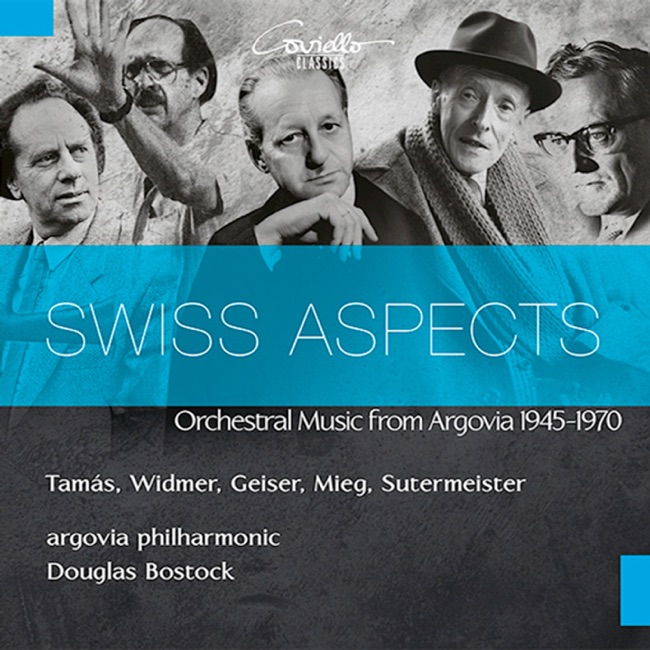 December 9, 2013
Concerto
-
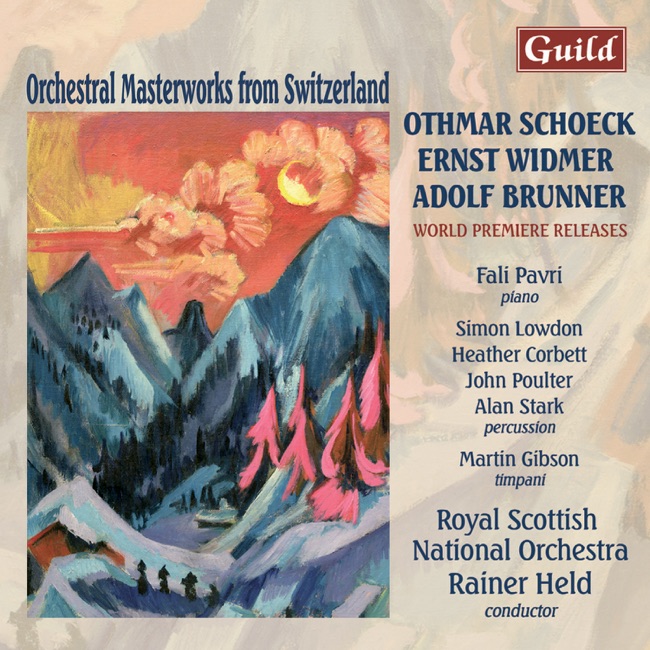 January 1, 2015
Artist Info
Role:ComposerCountry: BrazilBirth:April 25, 1927 in Aarau, SwitzerlandPeriod:ModernGenre:ChamberSymphonyVocalErnst Widmer was a Swiss composer who was born on August 25, 1927, in Zurich, Switzerland. He was the son of a music teacher and grew up in a musical family. His father, Hans Widmer, was a composer and conductor, and his mother, Margarete Widmer, was a pianist. Ernst Widmer showed an early interest in music and began playing the piano at the age of six. Widmer studied music at the Zurich Conservatory, where he received his diploma in composition in 1950. He then went on to study with the renowned composer Paul Hindemith at the University of Zurich. Hindemith was a major influence on Widmer's music, and he encouraged him to explore new and innovative approaches to composition. Widmer's early works were influenced by the neoclassical style of Hindemith, but he soon began to develop his own unique voice. His music was characterized by its use of complex rhythms, unconventional harmonies, and a wide range of instrumental colors. He was also interested in exploring the relationship between music and language, and many of his works were inspired by literary texts. One of Widmer's most significant works is his Symphony No. 1, which he composed in 1954. The symphony is a complex and challenging work that showcases Widmer's innovative approach to composition. It is characterized by its use of unconventional harmonies and rhythms, as well as its intricate orchestration. The symphony was well-received by critics and established Widmer as a major figure in the Swiss music scene. Widmer went on to compose a wide range of works in a variety of genres, including chamber music, vocal music, and orchestral works. One of his most notable works is his String Quartet No. 2, which he composed in 1960. The quartet is a challenging and complex work that showcases Widmer's mastery of counterpoint and his ability to create intricate textures with just four instruments. Another significant work by Widmer is his opera "Der gestiefelte Kater" (Puss in Boots), which he composed in 1972. The opera is based on the classic fairy tale and is characterized by its playful and whimsical tone. The work was well-received by audiences and established Widmer as a major figure in the world of opera. Widmer's music was also influenced by his interest in world music. He was particularly interested in the music of Africa and Asia, and he incorporated elements of these musical traditions into his own compositions. This can be heard in works such as his "African Suite" for orchestra, which he composed in 1963. Widmer was also a respected music educator and taught at the Zurich Conservatory for many years. He was known for his innovative teaching methods and his ability to inspire his students to explore new and unconventional approaches to composition. Ernst Widmer passed away on December 4, 1990, in Zurich, Switzerland. He left behind a rich legacy of innovative and challenging music that continues to inspire and influence composers today. His music is characterized by its complexity, its use of unconventional harmonies and rhythms, and its exploration of the relationship between music and language. Widmer was a true innovator in the world of classical music, and his contributions to the field will be remembered for generations to come.More....
Recent Artist Music
Copyright Ⓒ 2013 Davinci Finger. All rights reseved
Service Terms & Policy