


Blagoje Bersa
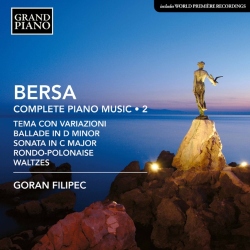
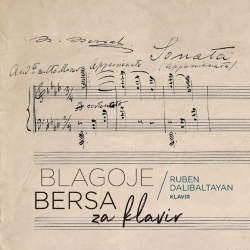
Released Album
Keyboard
-
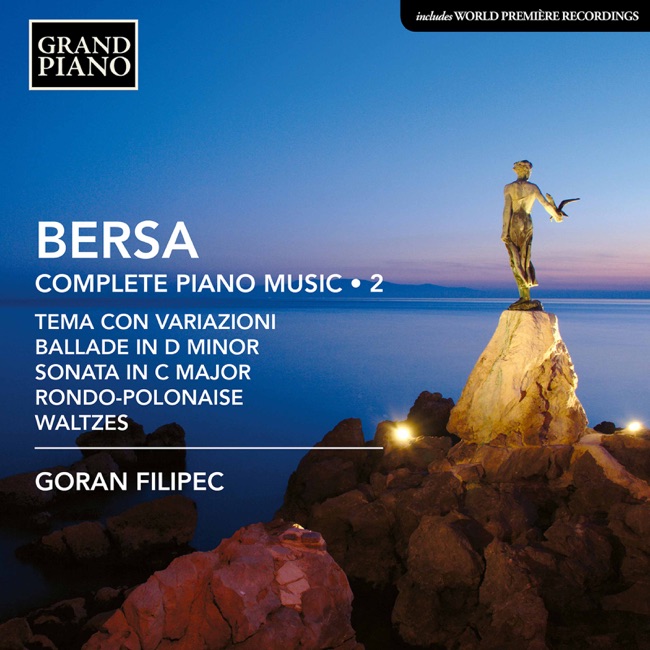 May 8, 2020
 -
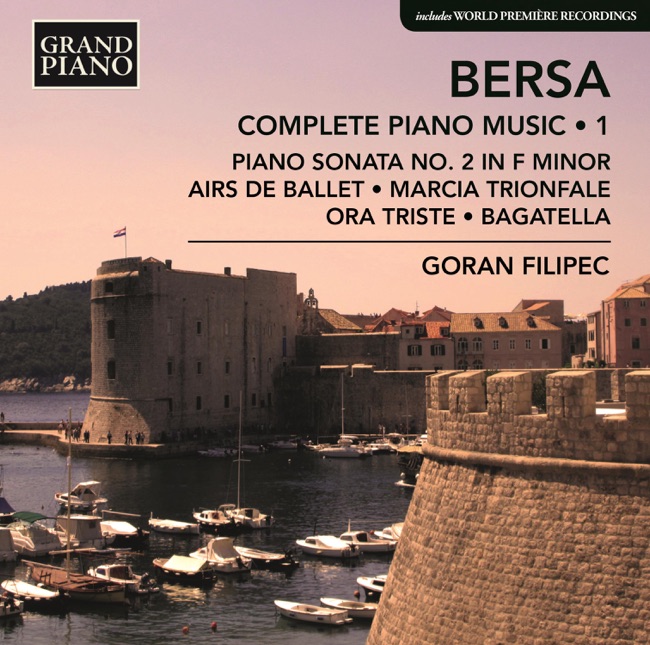 January 12, 2018
 -
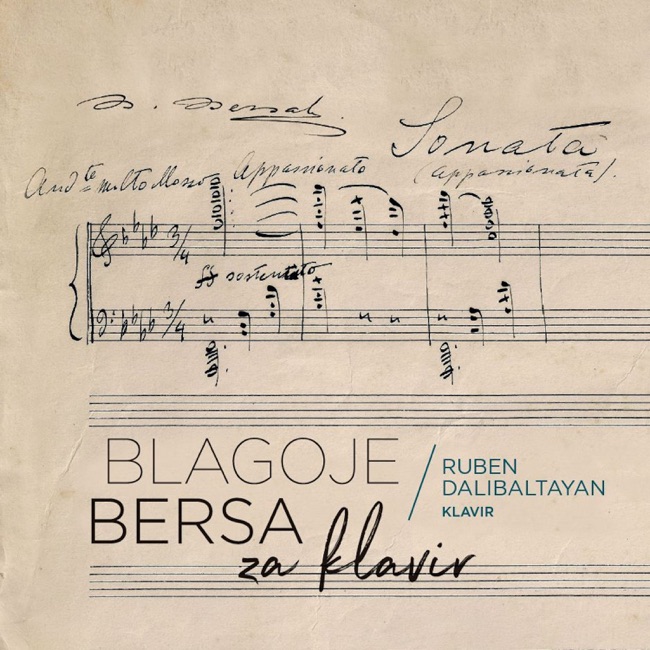 January 1, 2016
Vocal
-
 May 13, 2008
 -
 October 25, 2005
Artist Info
Role:ComposerBirth:1873 in DubrovnikDeath:1934 in Zagreb, CroatiaBlagoje Bersa was a prominent Croatian composer of classical music, born on June 21, 1873, in Dubrovnik, Croatia. He was the son of a prominent Croatian family, and his father was a well-known physician. Bersa showed an early interest in music and began studying piano at the age of six. He later studied composition with Franjo Ksaver Kuhač, a prominent Croatian composer and musicologist. Bersa's musical education continued in Prague, where he studied with Antonín Dvořák at the Prague Conservatory. He also studied with Josef Bohuslav Foerster and Karel Stecker. Bersa's time in Prague was a formative period in his musical development, and he was heavily influenced by the Czech musical tradition. After completing his studies in Prague, Bersa returned to Croatia and began his career as a composer and music educator. He taught at the Zagreb Music Academy and later became the director of the Croatian National Theatre in Zagreb. Bersa was a prolific composer, and his works include operas, symphonies, chamber music, and choral music. One of Bersa's most famous works is his opera "Splitski akvarel" (Split Watercolor), which premiered in 1913. The opera is based on a play by the Croatian writer Ante Kovačić and tells the story of a young artist who falls in love with a beautiful woman from Split. The opera is notable for its use of Croatian folk music and its depiction of the beauty of the Dalmatian coast. Bersa's other operas include "Nikola Šubić Zrinski" (Nikola Šubić Zrinski), which premiered in 1925, and "Kameni svatovi" (The Stone Wedding), which premiered in 1937. "Nikola Šubić Zrinski" is based on the life of the Croatian nobleman and military commander Nikola Šubić Zrinski, who led a rebellion against the Ottoman Empire in the 16th century. "Kameni svatovi" is based on a Croatian folk tale and tells the story of a young couple who are turned to stone on their wedding day. Bersa's symphonies include his Symphony No. 1 in C minor, which premiered in 1900, and his Symphony No. 2 in F major, which premiered in 1903. Both symphonies are notable for their use of Croatian folk music and their incorporation of elements of the Czech musical tradition. Bersa's chamber music includes his String Quartet No. 1 in D minor, which premiered in 1902, and his Piano Trio No. 1 in C minor, which premiered in 1904. Both works are notable for their use of Croatian folk music and their incorporation of elements of the Czech musical tradition. Bersa's choral music includes his "Missa Solemnis" (Solemn Mass), which premiered in 1906, and his "Te Deum," which premiered in 1911. Both works are notable for their use of Croatian folk music and their incorporation of elements of the Czech musical tradition. Bersa's music is characterized by its use of Croatian folk music and its incorporation of elements of the Czech musical tradition. His music is also notable for its lyricism and its use of rich harmonies. Bersa's music was well-received during his lifetime, and he was regarded as one of the leading composers of his generation in Croatia. Bersa died on October 1, 1934, in Zagreb, Croatia. His legacy as a composer and music educator continues to be celebrated in Croatia, and his music remains an important part of the Croatian classical music tradition.More....


Copyright Ⓒ 2013 Davinci Finger. All rights reseved
Service Terms & Policy