


Thomas Laub
Released Album
Vocal
-
 October 16, 2020
 -
 October 21, 2015
 -
 March 3, 2014
 -
-
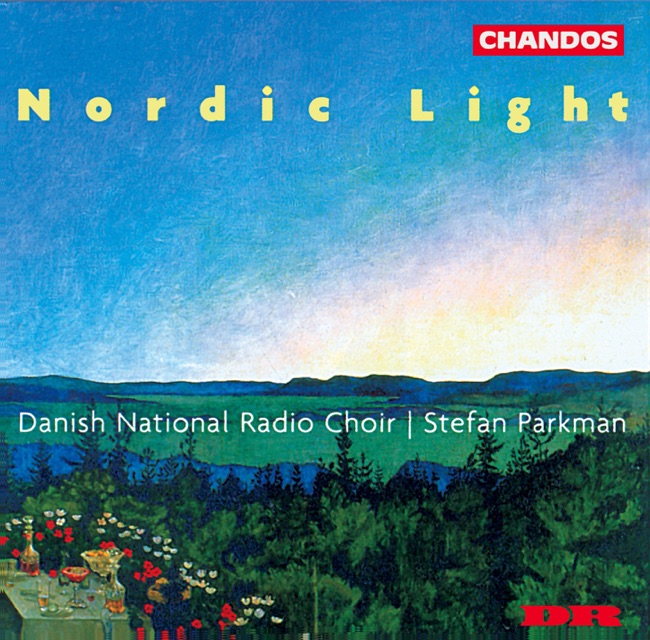 October 1, 1999
Miscellaneous
-
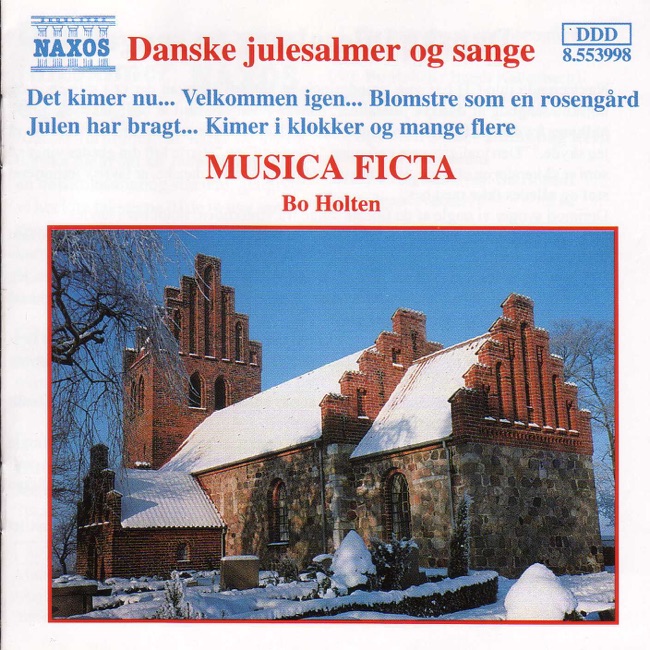 October 6, 2000
Artist Info
Role:ComposerBirth:1852Death:1927Period:ClassicalGenre:VocalThomas Laub was a Danish composer born on August 22, 1852, in the town of Horsens, Denmark. He was the son of a music teacher, and his father's influence played a significant role in his early musical education. Laub began playing the violin at a young age and showed a natural talent for music. He later studied at the Royal Danish Academy of Music in Copenhagen, where he received a thorough education in music theory and composition. Laub's early compositions were heavily influenced by the Romantic style of music that was popular in the late 19th century. His first major work, the Symphony No. 1 in C minor, was completed in 1878 and premiered the following year. The symphony was well-received by audiences and critics alike, and it established Laub as a promising young composer. Over the next few years, Laub continued to compose music in a variety of genres, including chamber music, choral works, and operas. One of his most notable works from this period was the opera "The Elf-King's Daughter," which premiered in 1880. The opera was based on a popular Danish fairy tale and featured lush, Romantic melodies and intricate orchestration. In 1883, Laub was appointed as the conductor of the Royal Danish Orchestra, a position he held for the next 25 years. During his tenure as conductor, Laub continued to compose music and became one of the most respected composers in Denmark. He was known for his ability to blend traditional Danish folk music with the Romantic style of the time, creating a unique sound that was distinctly his own. One of Laub's most famous works is the "Danish National Anthem," which he composed in 1885. The anthem, which is still used today, is a stirring tribute to Denmark and its people. It features a soaring melody and powerful orchestration, and it has become an important symbol of Danish national identity. In addition to his work as a composer and conductor, Laub was also a respected music educator. He taught at the Royal Danish Academy of Music for many years and was known for his dedication to his students. Many of his pupils went on to become successful composers and musicians in their own right. Laub's later works were more experimental and avant-garde than his earlier compositions. He began to incorporate elements of impressionism and modernism into his music, creating a sound that was ahead of its time. One of his most notable works from this period is the "Symphony No. 4," which was completed in 1906. The symphony features complex harmonies and unconventional orchestration, and it is considered one of Laub's most innovative works. Despite his many accomplishments, Laub's music fell out of favor in the years following his death in 1927. It was not until the mid-20th century that his music began to be rediscovered and appreciated by a new generation of musicians and music lovers. Today, Laub is recognized as one of Denmark's most important composers, and his music continues to be performed and recorded around the world. In conclusion, Thomas Laub was a Danish composer who made significant contributions to the world of classical music. His early works were heavily influenced by the Romantic style of the late 19th century, while his later works were more experimental and avant-garde. Laub's music was known for its unique blend of traditional Danish folk music and the Romantic style, and he was also a respected conductor and music educator.More....
Recent Artist Music
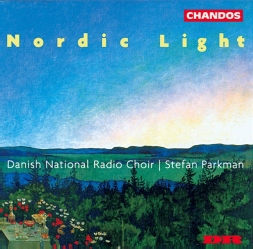
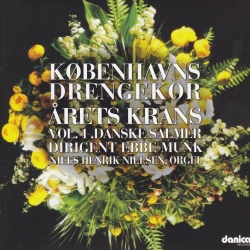
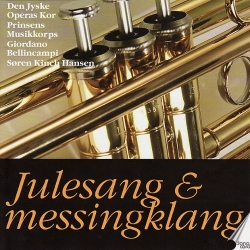
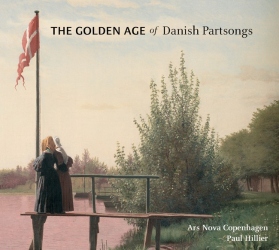
11
2:26


Copyright Ⓒ 2013 Davinci Finger. All rights reseved
Service Terms & Policy