


Chin Cheng Lin
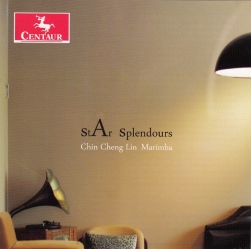
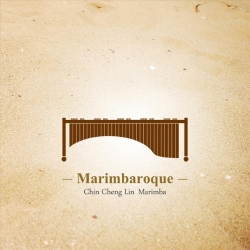
Released Album
Chamber
-
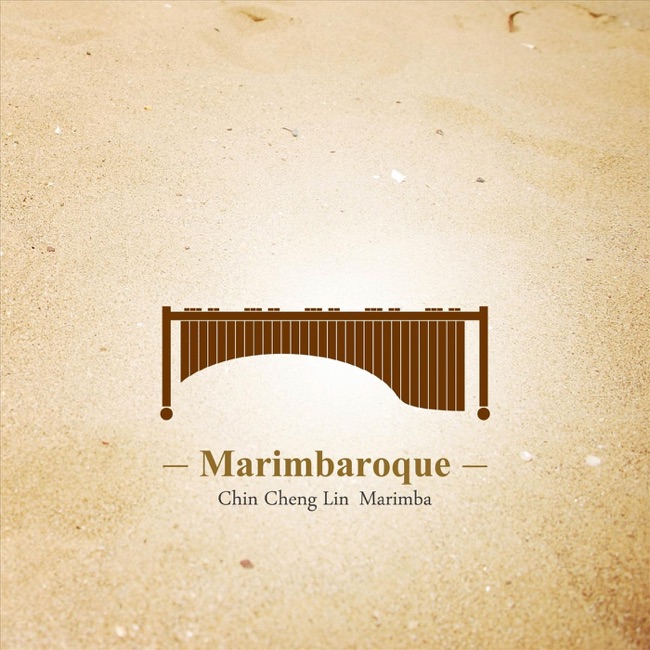 January 28, 2019
 -
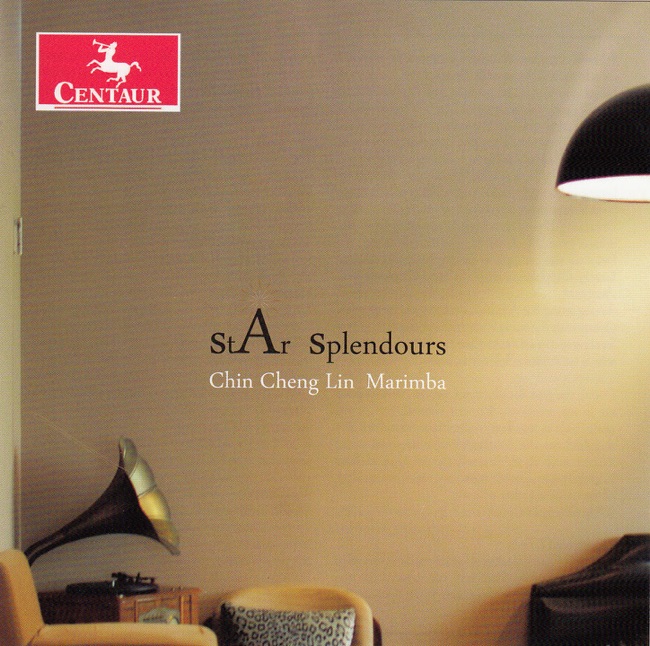 January 22, 2013
 -
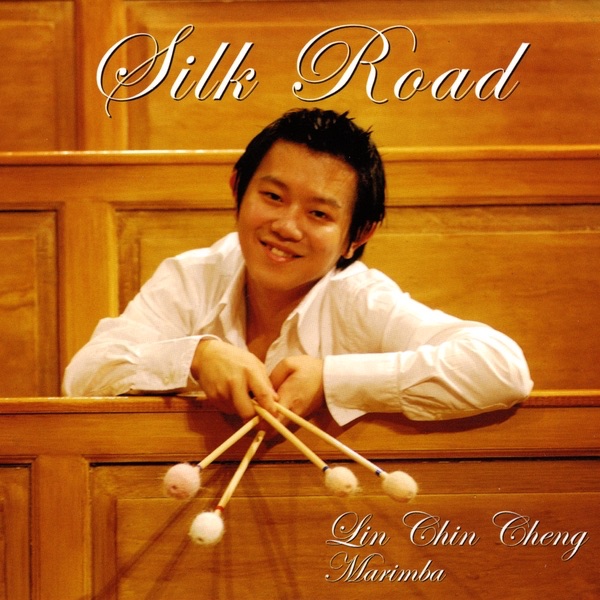 January 9, 2009
Artist Info
Role:Composer PerformerChin Cheng Lin was a Taiwanese composer who was born on December 25, 1934, in Taipei, Taiwan. He was the youngest of six children in his family. His father was a businessman, and his mother was a homemaker. Lin showed an early interest in music and began playing the piano at the age of six. He was a gifted musician and quickly became proficient in playing the piano. Lin's parents recognized his talent and encouraged him to pursue a career in music. He attended the National Taiwan Academy of Arts, where he studied composition with Chou Wen-chung, a renowned composer and musicologist. Lin was deeply influenced by Chou's teachings and developed a unique style of composition that blended traditional Chinese music with Western classical music. After completing his studies, Lin moved to the United States to further his education. He attended the Juilliard School in New York City, where he studied composition with Vincent Persichetti and Roger Sessions. He also studied conducting with Jean Morel and Pierre Monteux. Lin's early compositions were heavily influenced by the music of his native Taiwan. He incorporated traditional Chinese instruments, such as the erhu and pipa, into his compositions, creating a unique sound that blended Eastern and Western musical traditions. His early works include "Taiwanese Suite" (1959), "Three Chinese Folk Songs" (1960), and "Fantasy for Erhu and Orchestra" (1961). In the 1960s, Lin began to experiment with electronic music. He was fascinated by the possibilities of using electronic instruments to create new sounds and textures. His electronic works include "Electronic Music No. 1" (1963), "Electronic Music No. 2" (1964), and "Electronic Music No. 3" (1965). Lin's most famous work is his opera "The Savage Land," which premiered in 1976. The opera tells the story of a group of Taiwanese aborigines who are forced to leave their homeland and settle in a new land. The opera is a powerful commentary on the displacement of indigenous peoples and the struggle to maintain cultural identity in the face of colonization. Lin continued to compose throughout his life, creating a diverse body of work that includes orchestral works, chamber music, and electronic music. He was also a respected conductor and served as the music director of the Taipei Symphony Orchestra from 1985 to 1990. Lin's music has been performed by orchestras and ensembles around the world, including the New York Philharmonic, the London Symphony Orchestra, and the Berlin Philharmonic. He received numerous awards and honors for his contributions to music, including the National Award for Arts in Taiwan in 1994. Lin passed away on December 29, 2013, at the age of 79. His legacy as a composer and musician continues to inspire generations of musicians around the world.More....
Recent Artist Music
3
2:40
Copyright Ⓒ 2013 Davinci Finger. All rights reseved
Service Terms & Policy