


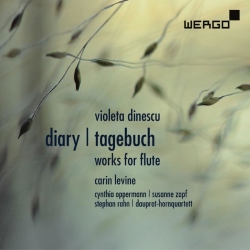
Violeta Dinescu
Released Album
Chamber
-
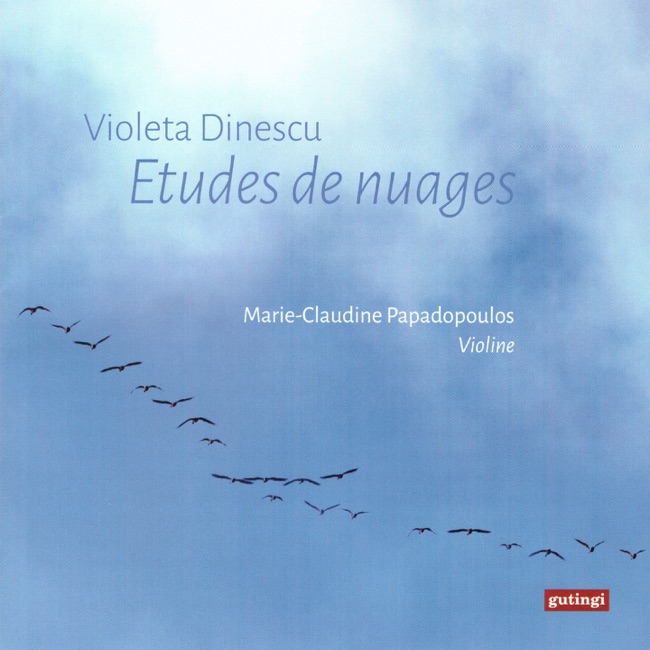 August 10, 2018
 -
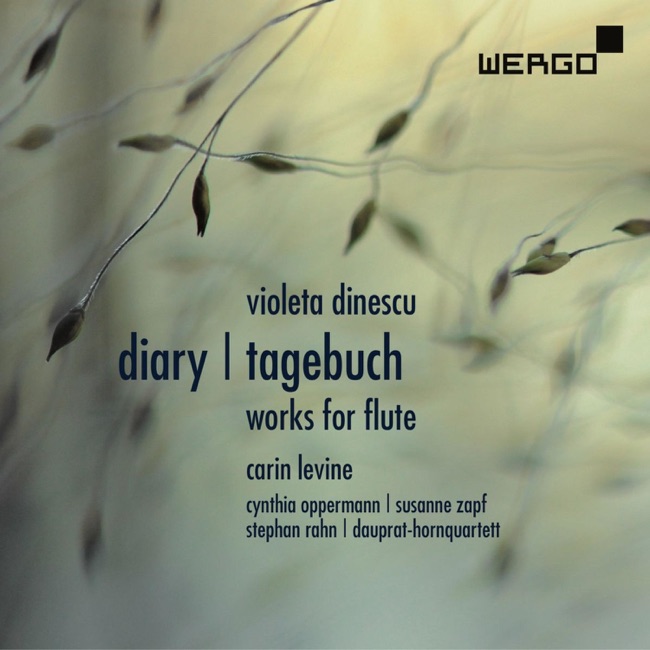 November 18, 2016
 -
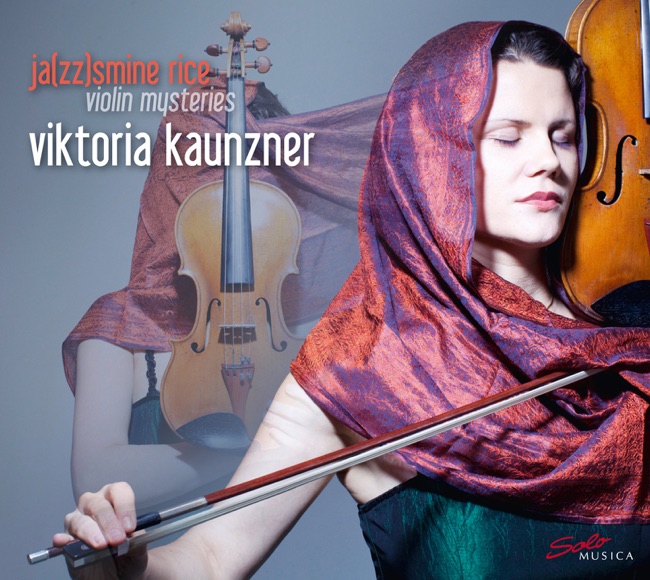 April 14, 2015
 -
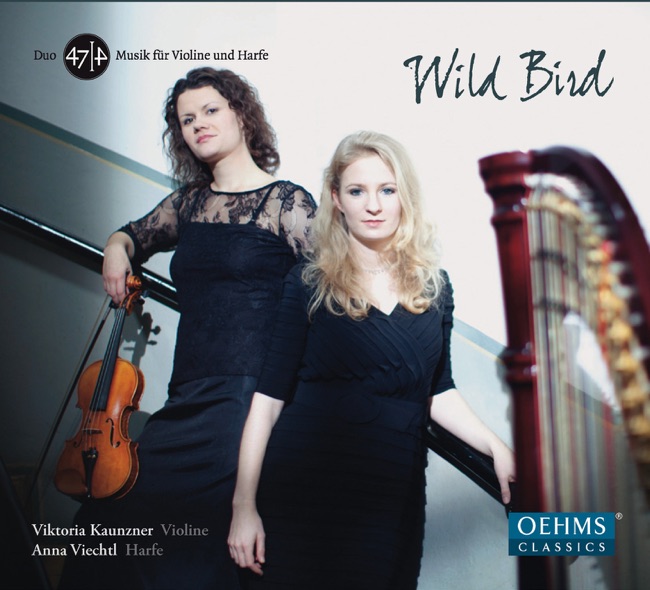 April 13, 2015
 -
-
 June 24, 2003
Vocal
Artist Info
Role:ComposerBirth:1953Period:ContemporaryGenre:ChamberKeyboardVioleta Dinescu is a Romanian-German composer who has made significant contributions to the world of classical music. Born on October 13, 1953, in Bucharest, Romania, Dinescu grew up in a family of musicians. Her father was a composer and conductor, and her mother was a pianist. From a young age, Dinescu showed a keen interest in music and began studying piano and composition. Dinescu's early years were marked by political turmoil in Romania. In 1968, she witnessed the Soviet invasion of Czechoslovakia, which had a profound impact on her. She became increasingly interested in avant-garde music and began experimenting with new forms and techniques. In 1972, she enrolled at the National University of Music in Bucharest, where she studied composition with Aurel Stroe and Stefan Niculescu. In 1976, Dinescu moved to Germany to study at the Hochschule für Musik in Freiburg. There, she studied with Klaus Huber and Brian Ferneyhough, two of the most influential composers of the time. She also became involved with the New Music scene in Germany, which was characterized by experimental and avant-garde music. Dinescu's early works were marked by a fascination with sound and texture. She experimented with unconventional instruments and techniques, such as using a typewriter as a percussion instrument. Her music was also influenced by Romanian folk music, which she incorporated into her compositions. One of Dinescu's early works, "String Quartet No. 1," was composed in 1978 and premiered in 1980. The piece is characterized by its use of extended techniques, such as playing behind the bridge and using harmonics. It also features a wide range of dynamics and textures, from delicate pizzicato passages to aggressive, dissonant chords. In the 1980s, Dinescu's music became more political. She was critical of the communist regime in Romania and used her music as a form of protest. One of her most famous works from this period is "Hommage à Enescu," which was composed in 1985. The piece is a tribute to the Romanian composer George Enescu, who was a symbol of Romanian culture and identity. The work features a collage of Enescu's music, as well as Dinescu's own compositions, and is a powerful statement against the communist regime. In 1988, Dinescu moved to Berlin, where she continued to compose and teach. Her music continued to evolve, incorporating new techniques and influences. One of her most significant works from this period is "Concerto for Viola and Orchestra," which was composed in 1991. The piece is characterized by its use of microtonality, which creates a haunting, otherworldly sound. It also features a virtuosic solo part for the viola, which showcases the instrument's range and versatility. Dinescu's music has been performed by some of the world's leading orchestras and ensembles, including the Berlin Philharmonic, the London Sinfonietta, and the Arditti Quartet. She has also received numerous awards and honors for her work, including the Berlin Art Prize and the Romanian Order of Cultural Merit. In addition to her work as a composer, Dinescu is also a respected teacher and mentor. She has taught at several universities and conservatories, including the Hochschule für Musik in Freiburg and the University of Music and Performing Arts in Vienna. She has also served as a guest lecturer and composer-in-residence at institutions around the world. Dinescu's music is characterized by its boldness and originality.More....
Recent Artist Music
Copyright Ⓒ 2013 Davinci Finger. All rights reseved
Service Terms & Policy