


Charles Coleman
Released Album
Vocal
-
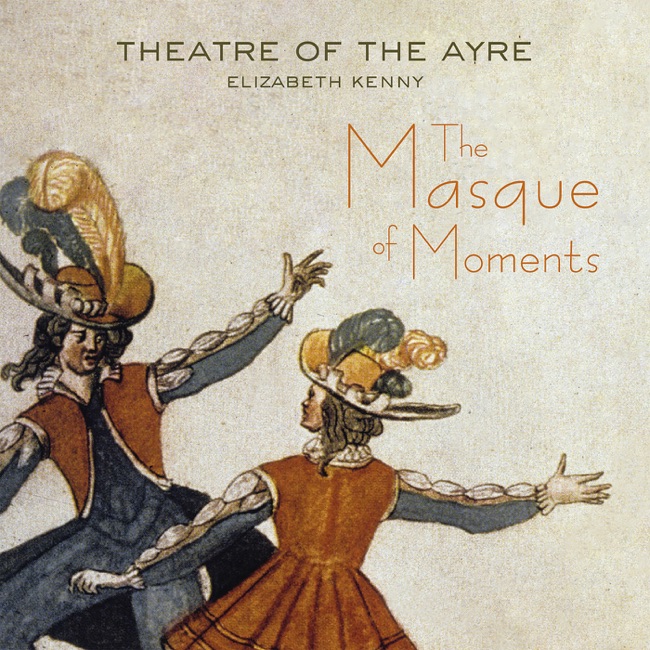 February 24, 2017
 -
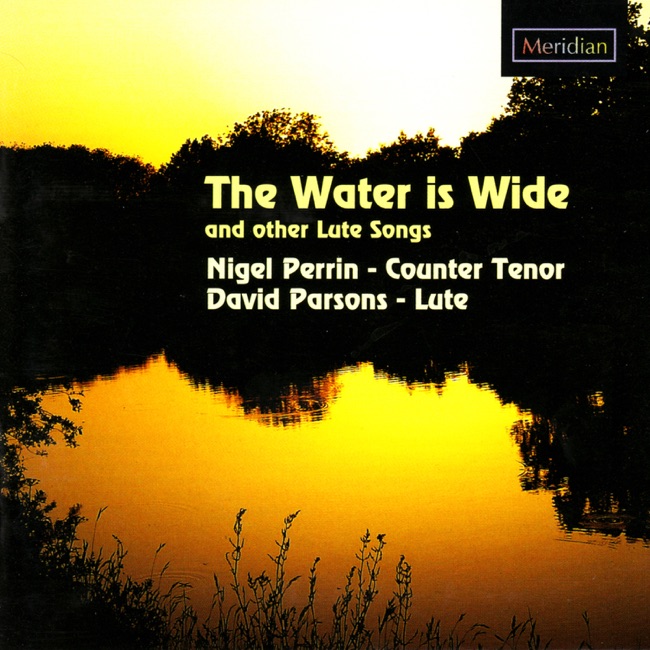 July 10, 2007
Artist Info
Role:ComposerCountry: United KingdomBirth:1605Death:July 9, 1664Period:BaroqueModernGenre:ChamberCharles Coleman was a prominent American composer of classical music, known for his innovative and experimental approach to composition. Born on May 22, 1926, in New York City, Coleman grew up in a family of musicians. His father was a violinist, and his mother was a pianist, and they both encouraged their son's interest in music from an early age. Coleman began his formal music education at the age of six, studying piano and violin. He showed a natural talent for composition, and by the age of 12, he had already written several pieces for piano and string quartet. He continued his studies at the Juilliard School of Music, where he studied composition with Vincent Persichetti and Aaron Copland. During his time at Juilliard, Coleman became interested in the avant-garde music of composers such as John Cage and Pierre Boulez. He began experimenting with new techniques and forms, incorporating elements of chance and improvisation into his compositions. His early works, such as the String Quartet No. 1 (1950) and the Piano Sonata No. 1 (1952), reflect this experimental approach. In the 1950s, Coleman became involved with the New York School of composers, a group of avant-garde composers who were exploring new forms of musical expression. He collaborated with composers such as Morton Feldman, Earle Brown, and Christian Wolff, and his works were performed at the influential Monday Evening Concerts in Los Angeles. One of Coleman's most significant works from this period is the String Quartet No. 2 (1958), which features a complex, multi-layered structure and incorporates elements of chance and improvisation. The piece was well-received by critics and established Coleman as a leading figure in the avant-garde music scene. In the 1960s, Coleman began to incorporate electronic music into his compositions. He worked with the Columbia-Princeton Electronic Music Center, where he experimented with tape manipulation and other electronic techniques. His works from this period, such as the Electronic Music for Piano (1964) and the Electronic Music for Tape (1966), reflect his interest in the possibilities of electronic music. Coleman's later works continued to explore new forms and techniques. He wrote several pieces for chamber ensemble, including the Chamber Concerto No. 1 (1972) and the Chamber Concerto No. 2 (1976), which feature complex rhythms and intricate textures. He also wrote several works for orchestra, including the Symphony No. 1 (1980) and the Symphony No. 2 (1985), which showcase his skill at orchestration and his ability to create powerful, dramatic music. Throughout his career, Coleman received numerous awards and honors for his contributions to classical music. He was awarded a Guggenheim Fellowship in 1962 and a National Endowment for the Arts grant in 1974. He was also a member of the American Academy of Arts and Letters and the American Academy of Arts and Sciences. Charles Coleman passed away on December 11, 2012, at the age of 86. His legacy as a pioneering composer of avant-garde classical music lives on through his innovative and influential works.More....
Copyright Ⓒ 2013 Davinci Finger. All rights reseved
Service Terms & Policy