


Costanzo Porta
Released Album
Vocal
-
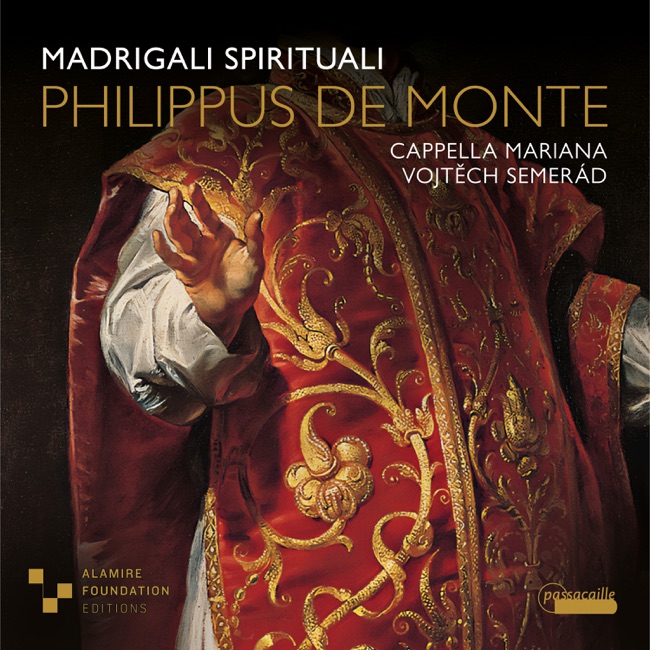 October 20, 2023
 -
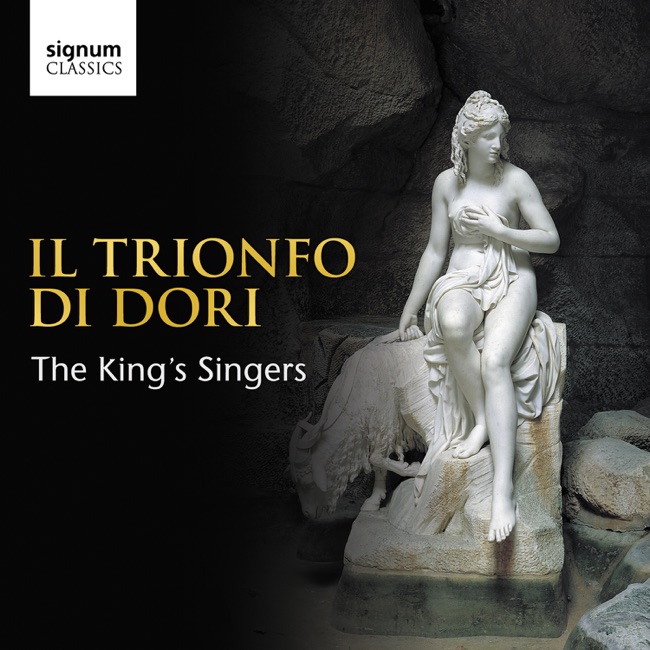 April 6, 2015
 -
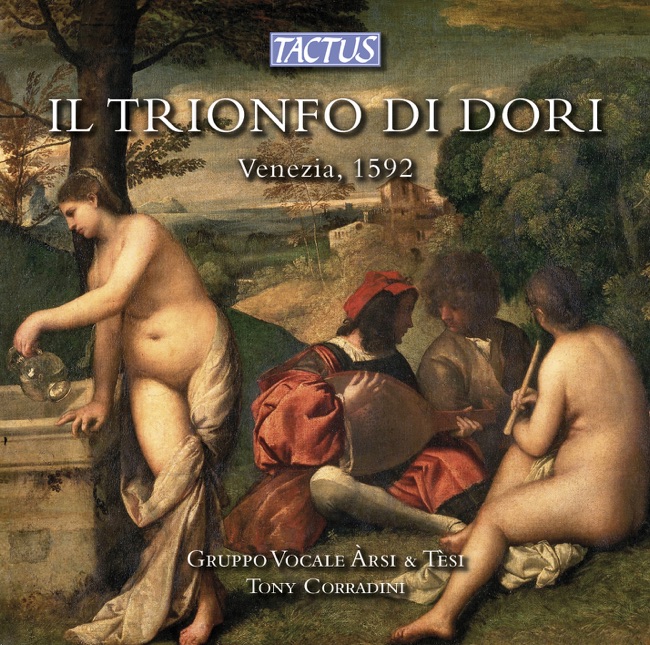 January 6, 2014
Choral
-
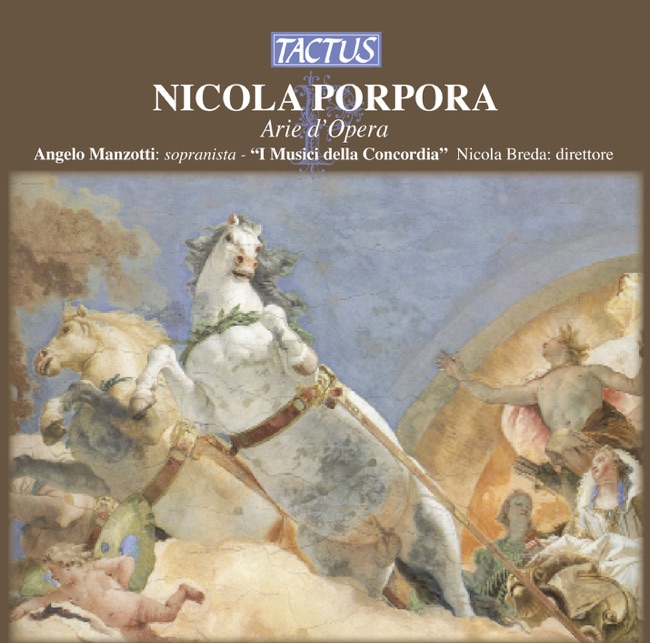 October 1, 2012
 -
 October 1, 2009
Artist Info
Role:ComposerCountry: ItalyBirth:ca. 1528 in Cremona, ItalyDeath:May 19, 1601 in Padua, ItalyPeriod:RenaissanceGenre:ChoralCostanzo Porta was a prominent Italian composer of the late Renaissance period. He was born in Cremona, Italy, in 1528, and little is known about his early life and education. However, it is believed that he received his musical training in his hometown, which was a center of musical activity during the Renaissance. Porta's career as a composer began in the mid-16th century when he was appointed as a singer at the Cathedral of Cremona. He soon became known for his skill as a composer and was appointed as the maestro di cappella at the Cathedral of Mantua in 1565. This position allowed him to compose music for the court of the Gonzaga family, which was one of the most important patrons of the arts in Italy at the time. Porta's music was highly regarded during his lifetime, and he was considered one of the leading composers of his time. His works were performed throughout Italy and Europe, and he was often commissioned to compose music for important events and occasions. He was also known for his skill as a teacher, and many of his students went on to become prominent composers in their own right. One of Porta's most significant works is his Missa Sine Nomine, which was composed in the mid-16th century. This mass is notable for its use of polyphonic textures and its intricate harmonies. It was widely performed during Porta's lifetime and remains a popular work in the choral repertoire today. Another important work by Porta is his collection of madrigals, which were composed in the late 16th century. These works are known for their expressive melodies and intricate harmonies, and they were highly influential in the development of the madrigal form. Porta's music was also notable for its use of chromaticism, which was a relatively new technique at the time. This technique involves the use of notes outside of the traditional diatonic scale, and it allowed composers to create more complex and expressive harmonies. Porta's use of chromaticism was particularly innovative, and it helped to pave the way for the development of the Baroque style of music that would emerge in the following century. Despite his significant contributions to the world of music, Porta's life and work have been somewhat overshadowed by his contemporaries, such as Giovanni Pierluigi da Palestrina and Orlando di Lasso. However, his music remains an important part of the Renaissance repertoire, and his innovative use of chromaticism continues to influence composers to this day. In conclusion, Costanzo Porta was a highly skilled and innovative composer of the late Renaissance period. His music was widely performed and highly regarded during his lifetime, and his use of chromaticism helped to pave the way for the development of the Baroque style of music. Although his life and work have been somewhat overshadowed by his contemporaries, his music remains an important part of the Renaissance repertoire, and his contributions to the world of music continue to be celebrated today.More....
Recent Artist Music
1
2:28
4
6:19
7
Che fia, quando udirà, madrigal for 4 voices (Il primo libro de madrigali a 4 voci)
Che fia, quando udirà (II parte) (Il primo libro de madrigali a 4 voci)
1:53
Copyright Ⓒ 2013 Davinci Finger. All rights reseved
Service Terms & Policy