


Matthäus Maercker
Released Album
Chamber
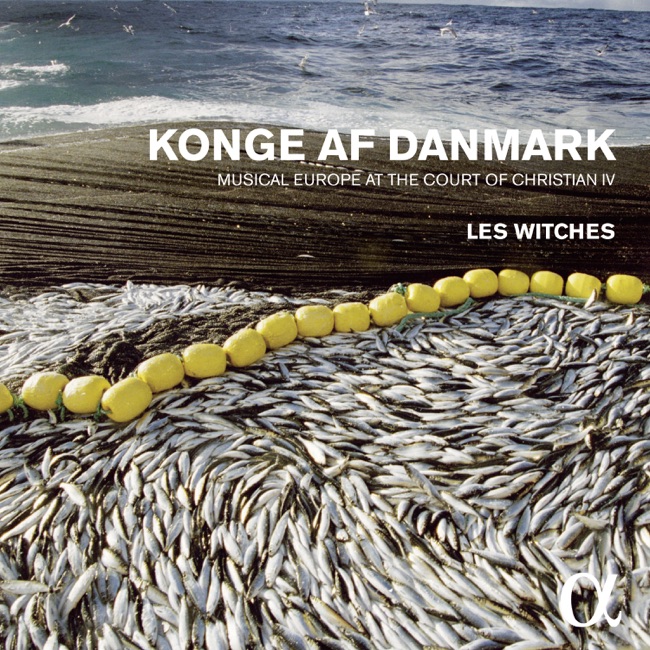
Artist Info
Role:ComposerMatthäus Maercker was a German composer and conductor who lived from 1839 to 1893. He was born in the town of Wittenberg, which was then part of the Kingdom of Prussia. His father was a musician and music teacher, and young Matthäus showed an early talent for music. He began studying piano and violin at a young age, and later added composition and conducting to his repertoire. Maercker's early musical education was primarily focused on classical music, particularly the works of Beethoven, Mozart, and Haydn. However, he also had a strong interest in folk music and other traditional forms of music from around the world. This interest would later influence his own compositions, which often incorporated elements of folk music and other non-classical styles. In his early twenties, Maercker moved to Berlin to study music at the prestigious Hochschule für Musik. There, he studied composition with the renowned composer and conductor Franz Liszt, as well as with other prominent musicians of the time. He also continued to develop his skills as a conductor, leading various orchestras and choral groups in performances of both classical and contemporary music. Maercker's early compositions were primarily for piano and chamber ensembles, and were heavily influenced by the classical style. However, as he continued to develop as a composer, he began to incorporate more diverse musical elements into his works. For example, his "Symphony No. 1" (1865) features a prominent use of folk melodies and rhythms, as well as unconventional harmonies and orchestration. In addition to his work as a composer, Maercker was also a highly respected conductor. He served as the conductor of the Berlin Philharmonic Orchestra from 1872 to 1877, and later conducted various other orchestras and choral groups throughout Germany. He was known for his innovative interpretations of classical works, as well as his willingness to program contemporary and lesser-known works alongside more established repertoire. Maercker's most famous work is his "Symphony No. 2," also known as the "Symphony of the North" (1877). This symphony was inspired by Maercker's travels to Scandinavia, and incorporates elements of Nordic folk music and mythology. The symphony is notable for its use of unconventional orchestration, including the use of cowbells and other percussion instruments not typically found in classical music. Maercker's other notable works include his "Piano Concerto No. 1" (1868), which features virtuosic piano writing and a lush orchestral accompaniment, and his "String Quartet No. 2" (1873), which showcases Maercker's skill at writing for chamber ensembles. He also wrote numerous choral works, including the "Te Deum" (1879) and the "Stabat Mater" (1882), which are still performed today. Despite his success as a composer and conductor, Maercker's life was not without its challenges. He suffered from poor health throughout his life, and was forced to take extended breaks from his work on several occasions. He also struggled with financial difficulties, particularly later in life, and was forced to rely on the support of friends and patrons to continue his work. Maercker died in 1893 at the age of 54, leaving behind a legacy as one of Germany's most innovative and influential composers. His works continue to be performed and recorded today, and his influence can be heard in the works of many later composers who were inspired by his innovative approach to classical music.More....
Recent Artist Music
Copyright Ⓒ 2013 Davinci Finger. All rights reseved
Service Terms & Policy