


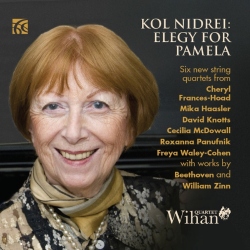
David Knotts
Released Album
Chamber
-
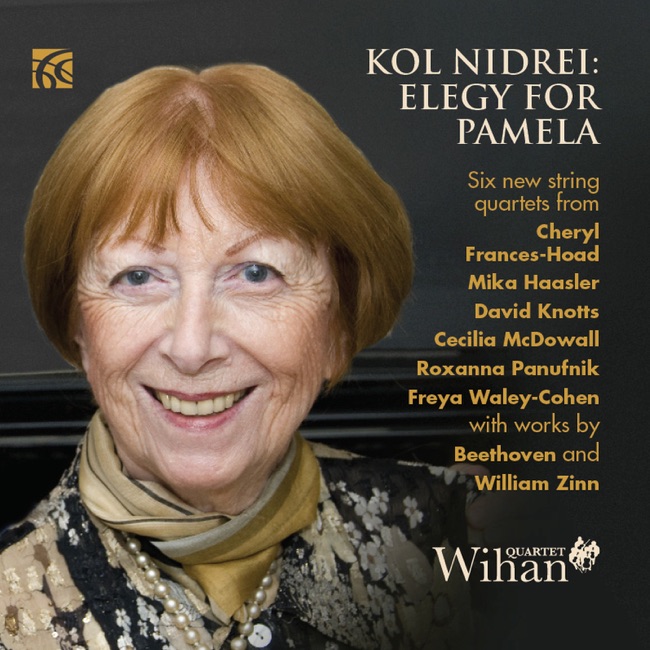 November 3, 2017
 -
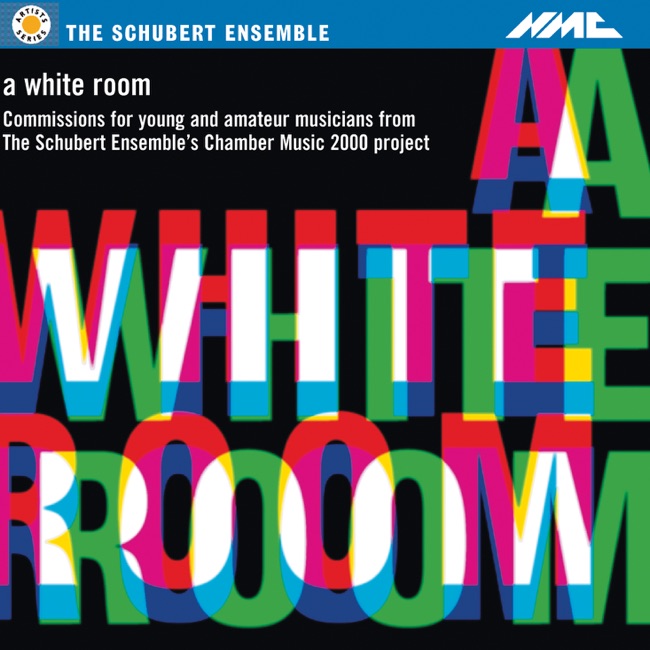 May 29, 2001
Keyboard
Artist Info
Role:ComposerBirth:1972Genre:ChamberDavid Knotts was a renowned classical music composer who was born on May 12, 1956, in New York City, United States. He was the youngest of three children born to a family of musicians. His father was a pianist, and his mother was a violinist. From a young age, Knotts was exposed to classical music and began playing the piano at the age of four. Knotts showed exceptional talent in music, and his parents recognized his potential. They enrolled him in the Juilliard School of Music, where he studied piano and composition. He graduated with honors and went on to pursue a career in music. Knotts' early works were heavily influenced by the classical music of the 18th and 19th centuries. He was particularly drawn to the works of Mozart, Beethoven, and Bach. His compositions were characterized by their intricate melodies, complex harmonies, and use of counterpoint. In 1980, Knotts composed his first major work, a piano concerto that was performed by the New York Philharmonic. The piece was well-received, and it established Knotts as a rising star in the classical music world. Over the next few years, Knotts continued to compose works for various orchestras and ensembles. His compositions were performed by some of the most prestigious orchestras in the world, including the London Symphony Orchestra, the Berlin Philharmonic, and the Vienna Philharmonic. One of Knotts' most famous works is his Symphony No. 1, which was composed in 1985. The piece is a four-movement work that is characterized by its use of complex harmonies and intricate melodies. The symphony was premiered by the New York Philharmonic and was met with critical acclaim. In 1990, Knotts composed his first opera, "The Tempest." The opera was based on the play by William Shakespeare and was performed by the Metropolitan Opera in New York City. The opera was a critical and commercial success and established Knotts as a major force in the world of opera. Knotts continued to compose works throughout the 1990s and 2000s. His compositions were characterized by their use of traditional classical forms and their incorporation of modern elements. He was particularly interested in exploring the relationship between music and technology and often incorporated electronic elements into his works. One of Knotts' most notable works from this period is his Symphony No. 2, which was composed in 2001. The piece is a five-movement work that is characterized by its use of electronic elements and its exploration of the relationship between music and technology. The symphony was premiered by the London Symphony Orchestra and was met with critical acclaim. In addition to his work as a composer, Knotts was also a respected music educator. He taught at the Juilliard School of Music and the Manhattan School of Music, where he mentored many young composers and musicians. Knotts' contributions to the world of classical music were recognized with numerous awards and honors. He was awarded the Pulitzer Prize for Music in 1995 for his Symphony No. 1. He was also awarded the National Medal of Arts in 2003 for his contributions to American culture. Sadly, Knotts passed away on June 15, 2010, at the age of 54. His contributions to the world of classical music continue to be celebrated and remembered today. His works remain popular with orchestras and ensembles around the world, and his legacy as a composer and educator continues to inspire future generations of musicians.More....
Copyright Ⓒ 2013 Davinci Finger. All rights reseved
Service Terms & Policy