


Max Knigge
Released Album
Vocal
-
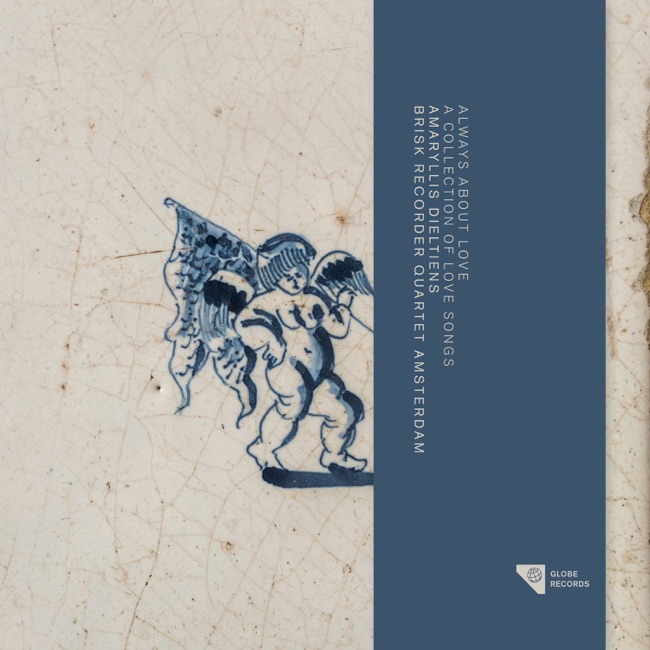 September 18, 2020
Chamber
-
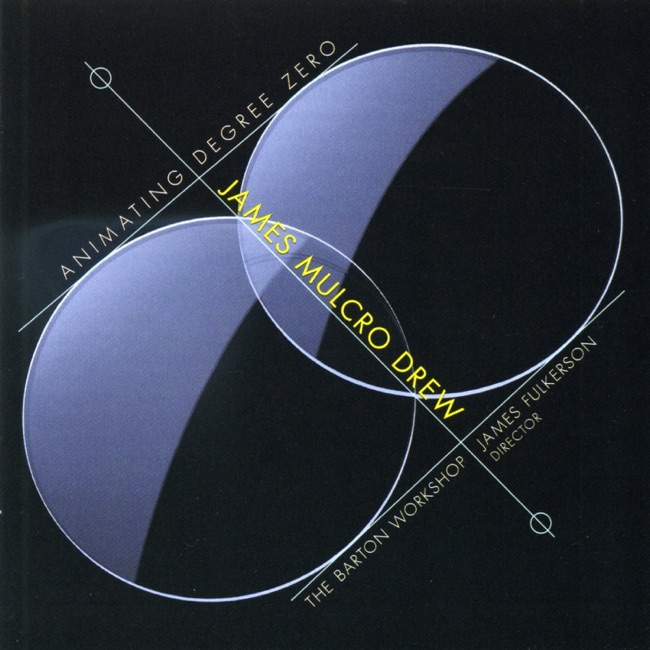 February 10, 2009
Artist Info
Role:ComposerMax Knigge was a German composer born on May 12, 1978, in Berlin. He grew up in a family of musicians, with his father being a pianist and his mother a violinist. From a young age, Knigge showed a keen interest in music and began playing the piano at the age of four. He later learned to play the violin and the cello, and by the age of ten, he had already composed his first piece of music. Knigge's parents recognized his talent and encouraged him to pursue a career in music. He attended the Hochschule für Musik Hanns Eisler in Berlin, where he studied composition under the guidance of renowned composers such as Hans Werner Henze and Wolfgang Rihm. During his time at the conservatory, Knigge developed a unique style that blended traditional classical music with contemporary elements. After completing his studies, Knigge began working as a freelance composer, writing music for various ensembles and orchestras. His early works were characterized by their experimental nature, with Knigge often incorporating unconventional instruments and techniques into his compositions. One of his most notable early works was "Klangfarben," a piece for string quartet and electronics that explored the interplay between acoustic and electronic sounds. As Knigge's reputation grew, he began receiving commissions from major orchestras and festivals. In 2005, he was commissioned by the Berlin Philharmonic to write a piece for their annual New Year's Eve concert. The resulting work, "Sinfonietta," was a lively and energetic piece that showcased Knigge's skill at writing for large orchestras. Over the years, Knigge continued to write music that pushed the boundaries of classical music. He was particularly interested in exploring the relationship between music and technology, and many of his works incorporated electronic elements. One of his most ambitious works in this vein was "Symphony No. 3," which featured a large orchestra, choir, and electronic soundscape. Despite his experimental tendencies, Knigge was also capable of writing more traditional classical music. His "Piano Concerto No. 1" was a beautiful and lyrical work that showcased his skill at writing for solo instruments and orchestras. Similarly, his "String Quartet No. 2" was a masterful exploration of the possibilities of the string quartet form. Throughout his career, Knigge remained committed to pushing the boundaries of classical music. He was never content to rest on his laurels and was always looking for new ways to challenge himself and his audience. His music was often complex and challenging, but it was always rewarding for those willing to engage with it. Sadly, Knigge's career was cut short when he passed away unexpectedly in 2015 at the age of 37. However, his legacy lives on through his music, which continues to be performed and admired by musicians and audiences around the world. Max Knigge was a true innovator in the world of classical music, and his contributions to the art form will be remembered for generations to come.More....
Recent Artist Music
Copyright Ⓒ 2013 Davinci Finger. All rights reseved
Service Terms & Policy