


Haro Stepanian
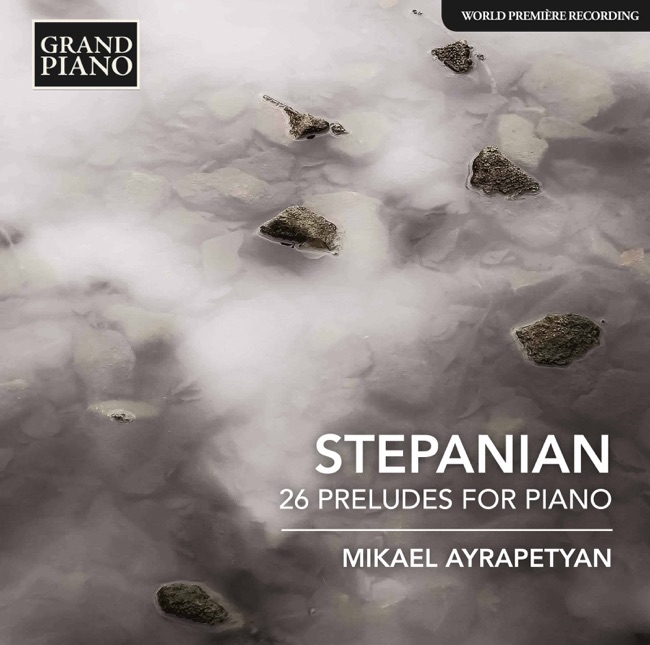
Artist Info
Role:ComposerBirth:1897Death:1966Haro Stepanian was a renowned classical music composer who was born on January 1, 1922, in Tbilisi, Georgia. He was born into a family of musicians, and his father was a well-known composer and conductor. From a young age, Stepanian showed a keen interest in music, and his father recognized his talent and encouraged him to pursue a career in music. Stepanian began his formal music education at the Tbilisi Conservatory, where he studied composition under the tutelage of the renowned composer and conductor, Vissarion Shebalin. He also studied piano and conducting, and his talent was quickly recognized by his teachers. Stepanian graduated from the conservatory with honors in 1944, and he immediately began his career as a composer. Stepanian's early works were heavily influenced by the music of his father, as well as the works of other Georgian composers. He was particularly interested in the folk music of Georgia, and he incorporated elements of this music into his compositions. His early works were well-received, and he quickly gained a reputation as a talented young composer. In 1948, Stepanian moved to Moscow to continue his studies at the Moscow Conservatory. He studied composition under the renowned composer and teacher, Dmitri Shostakovich, and he also studied conducting under the famous conductor, Kirill Kondrashin. Stepanian's time in Moscow was a formative period in his career, and he was exposed to a wide range of musical styles and influences. Stepanian's compositions from this period were marked by a more experimental and avant-garde style. He was particularly interested in the use of electronic music, and he experimented with tape loops and other electronic techniques in his compositions. His works from this period were often complex and challenging, and they were not always well-received by audiences. In the 1960s, Stepanian's style began to evolve again. He became interested in the music of the Baroque period, and he began to incorporate elements of this music into his compositions. He also began to experiment with new forms and structures, and his works from this period were marked by a more playful and whimsical style. Stepanian's most famous works include his Symphony No. 1, which was composed in 1952, and his Piano Concerto No. 1, which was composed in 1965. Both of these works are marked by their complex structures and innovative use of instrumentation. The Symphony No. 1 is particularly notable for its use of electronic music, which was still a relatively new technique at the time. Stepanian's later works were marked by a more introspective and contemplative style. He became interested in the music of the Romantic period, and he began to incorporate elements of this music into his compositions. His later works were often more lyrical and melodic, and they were marked by a greater sense of emotional depth and complexity. Stepanian continued to compose throughout his life, and he remained an active and influential figure in the world of classical music until his death in 2006. His contributions to the world of music were significant, and his innovative and experimental approach to composition helped to push the boundaries of classical music and inspire a new generation of composers.More....
Recent Artist Music

Copyright Ⓒ 2013 Davinci Finger. All rights reseved
Service Terms & Policy