


Edward Burlingame Hill
Released Album
Orchestral
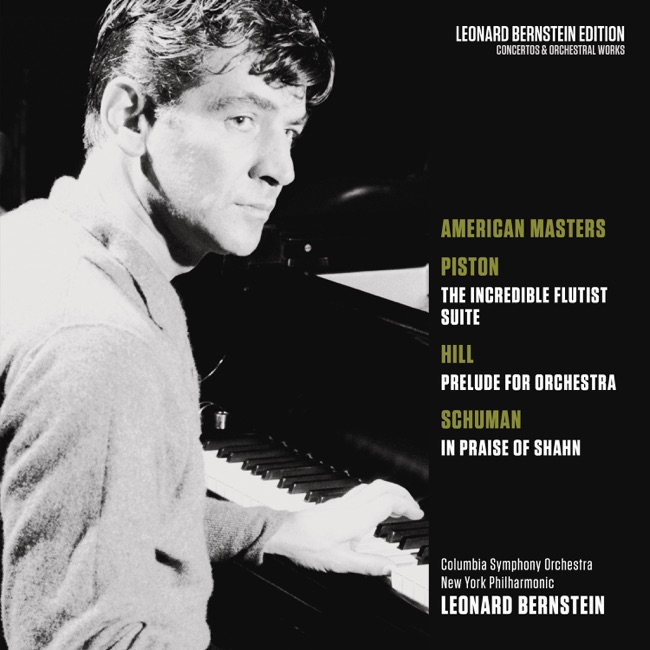
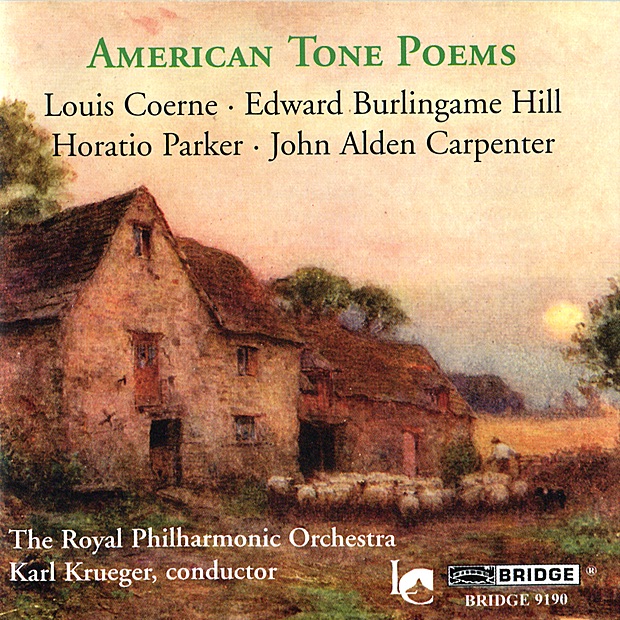
Keyboard
-
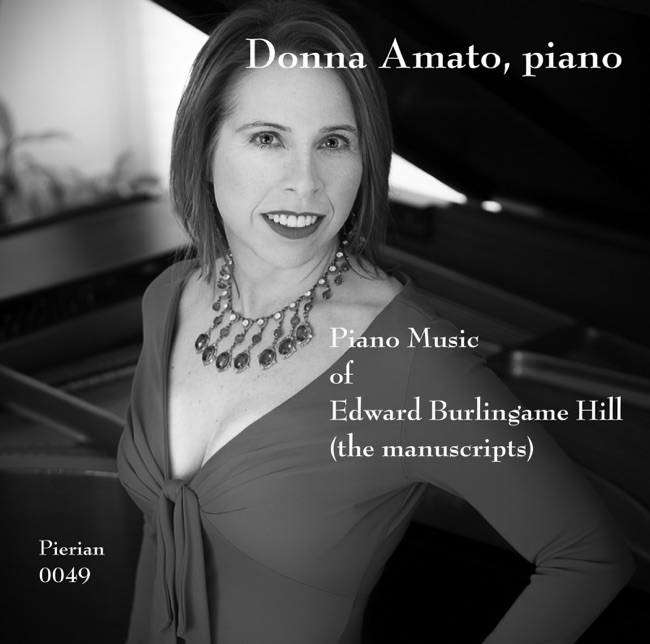 April 20, 2018
 -
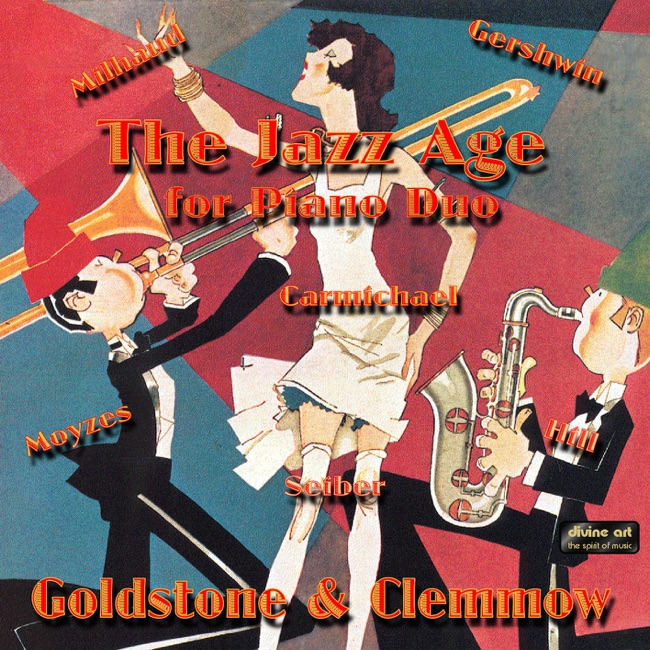 September 20, 2010
Chamber
-
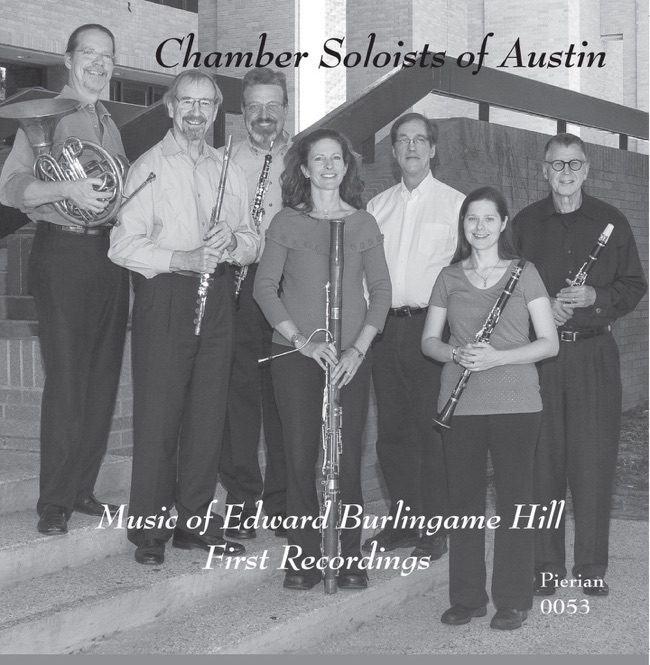 January 8, 2016
Artist Info
Role:ComposerBirth:September 9, 1872 in Cambridge, MADeath:July 9, 1960 in Francestown, NHPeriod:ContemporaryModernGenre:OrchestralEdward Burlingame Hill was an American composer, educator, and musicologist who was born on September 9, 1872, in Cambridge, Massachusetts. He was the son of a prominent Boston lawyer, and his mother was a talented pianist who encouraged his musical interests from an early age. Hill began studying piano and composition with local teachers, and by the age of 16, he had already composed several works for piano and chamber ensembles. In 1891, Hill enrolled at Harvard University, where he studied composition with John Knowles Paine, the first American-born composer to achieve international recognition. Paine was a strict traditionalist who emphasized the study of counterpoint and harmony, and Hill absorbed these principles into his own compositional style. Hill also studied piano with Arthur Foote, a prominent Boston composer and pianist who had studied with Franz Liszt in Europe. After graduating from Harvard in 1895, Hill spent several years teaching music in private schools and colleges in the Boston area. In 1901, he was appointed to the faculty of the New England Conservatory of Music, where he taught composition, theory, and piano for over 40 years. Hill was a highly respected teacher who mentored many of the leading American composers of the 20th century, including Leonard Bernstein, Roger Sessions, and Elliott Carter. As a composer, Hill was known for his adherence to traditional forms and techniques, as well as his lyrical melodies and rich harmonies. He wrote in a variety of genres, including orchestral works, chamber music, choral music, and songs. Some of his most notable works include his Symphony No. 1 in B-flat major, which was premiered by the Boston Symphony Orchestra in 1907, and his Piano Concerto No. 2 in D minor, which was premiered by the New York Philharmonic in 1927. Hill was also a prolific writer and musicologist, and he published several books and articles on music theory, history, and analysis. His most famous work is probably his textbook "Harmony: A Course of Study," which was first published in 1908 and went through numerous editions and revisions over the years. This book was widely used in music schools and conservatories throughout the United States and was considered a standard text on the subject for many years. Throughout his career, Hill was a strong advocate for American music and composers, and he worked tirelessly to promote their work and establish a distinct American musical identity. He was a founding member of the American Musicological Society and served as its president from 1939 to 1941. He also served on the board of directors of the American Society of Composers, Authors, and Publishers (ASCAP) and was a member of the National Institute of Arts and Letters. Hill's contributions to American music were recognized with numerous awards and honors, including the Pulitzer Prize for Music in 1940 for his Symphony No. 4 in E-flat major. He was also awarded honorary degrees from several universities, including Harvard, Yale, and Columbia. Despite his many accomplishments, Hill remained a humble and dedicated teacher and composer throughout his life. He continued to teach at the New England Conservatory until his retirement in 1941, and he remained active as a composer and writer until his death on March 1, 1960, at the age of 87.More....
Recent Artist Music
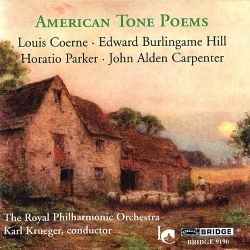
5
8:35
Copyright Ⓒ 2013 Davinci Finger. All rights reseved
Service Terms & Policy