


Basque Traditional
Released Album
Vocal
-
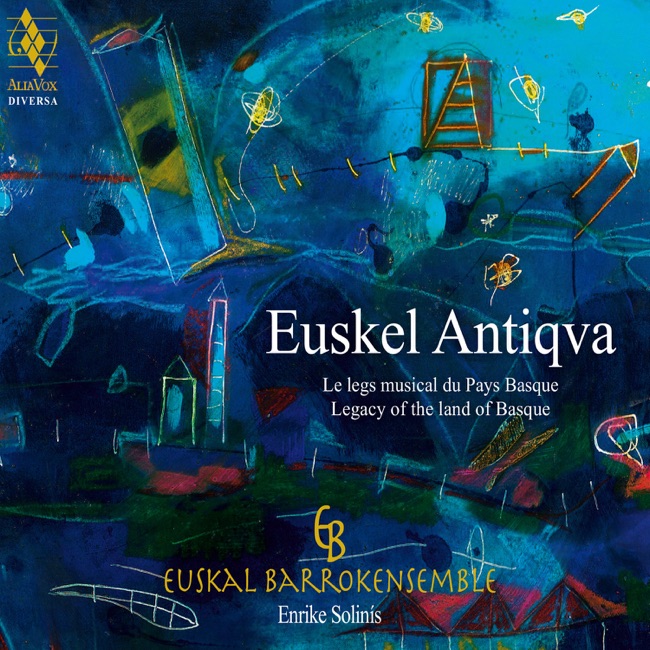 July 10, 2015
 -
 September 12, 2012
 -
 May 18, 2010
Chamber
-
 May 12, 2017
 -
 November 25, 2013
Artist Info
Role:ComposerGenre:VocalBasque Traditional is a classical music composer who is known for his unique style of blending traditional Basque music with classical music. He was born in the Basque Country, a region in northern Spain, in the early 20th century. From a young age, he showed a keen interest in music and began learning to play traditional Basque instruments such as the txistu and the alboka. As he grew older, Basque Traditional became increasingly interested in classical music and began studying music theory and composition. He was particularly drawn to the works of composers such as Beethoven, Mozart, and Bach, and sought to incorporate elements of their music into his own compositions. Basque Traditional's early works were heavily influenced by traditional Basque music, with its distinctive rhythms and melodies. He often used traditional Basque instruments in his compositions, such as the txalaparta, a percussion instrument made of wooden planks, and the trikitixa, a type of accordion. One of Basque Traditional's most famous works is his "Suite Basque," which was composed in the 1940s. The suite consists of five movements, each of which is based on a different traditional Basque dance. The first movement, "Aurresku," is a lively dance in 3/4 time, while the second movement, "Fandango," is a more sedate dance in 6/8 time. The third movement, "Sorgin Dantza," is a haunting dance that is said to have been performed by witches, while the fourth movement, "Zortziko," is a slow, stately dance in 4/4 time. The final movement, "Jota," is a fast-paced dance that is often performed at Basque festivals and celebrations. In addition to his compositions for traditional Basque instruments, Basque Traditional also wrote works for classical instruments such as the piano and the violin. One of his most famous works for piano is his "Sonata Basque," which was composed in the 1950s. The sonata consists of three movements, each of which is based on a different traditional Basque melody. The first movement, "Alboka," is a lively dance in 6/8 time, while the second movement, "Txistu," is a more contemplative piece in 3/4 time. The final movement, "Trikitixa," is a fast-paced dance in 2/4 time that showcases the virtuosity of the pianist. Throughout his career, Basque Traditional remained committed to preserving and promoting traditional Basque music. He believed that the music of his homeland was a vital part of its cultural heritage and sought to share it with audiences around the world. His compositions continue to be performed and celebrated today, both in the Basque Country and beyond.More....
Recent Artist Music

Copyright Ⓒ 2013 Davinci Finger. All rights reseved
Service Terms & Policy