


Guido Alberto Fano
Released Album
Keyboard
-
 February 9, 2024
 -
 June 4, 2021
 -
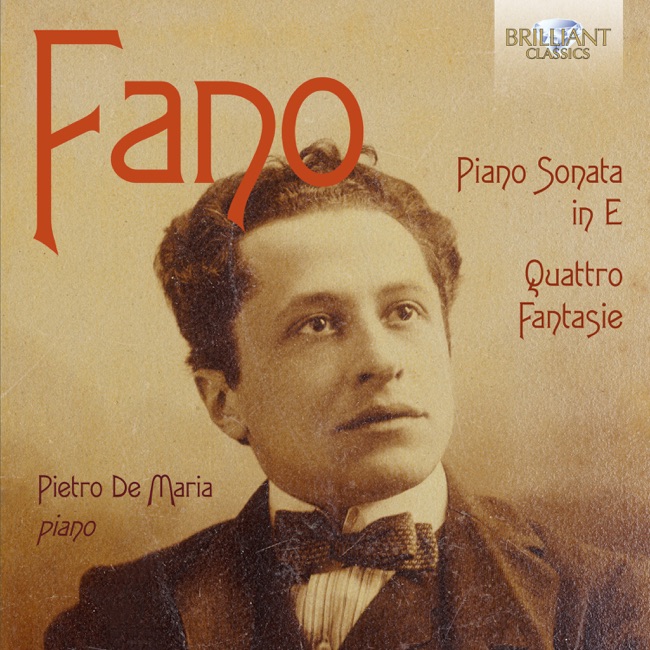 June 24, 2016
 -
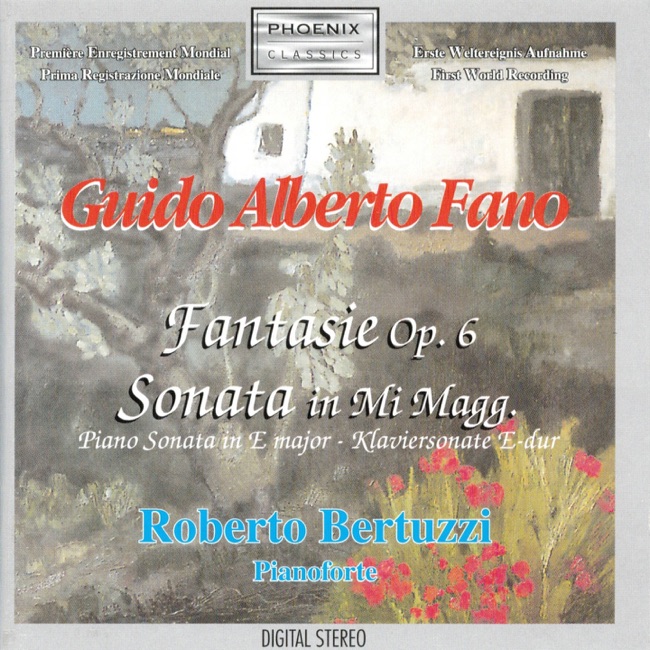 September 16, 2000
Chamber
-
 January 7, 2022
 -
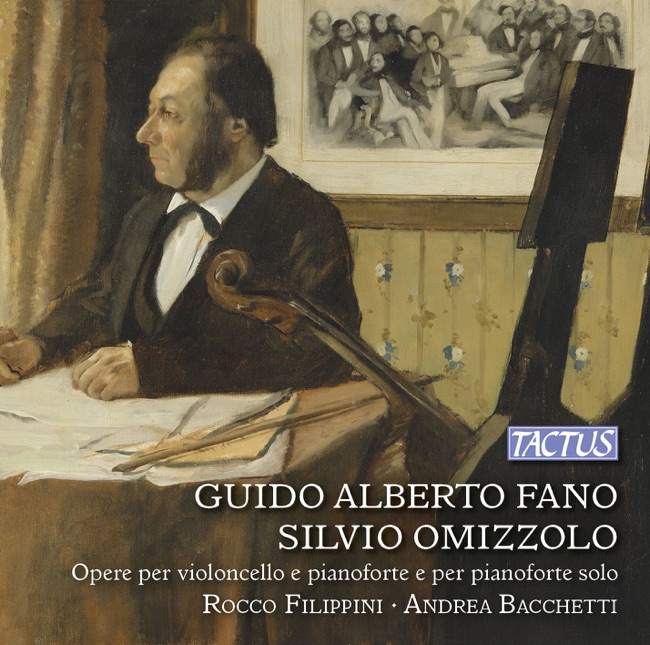
-
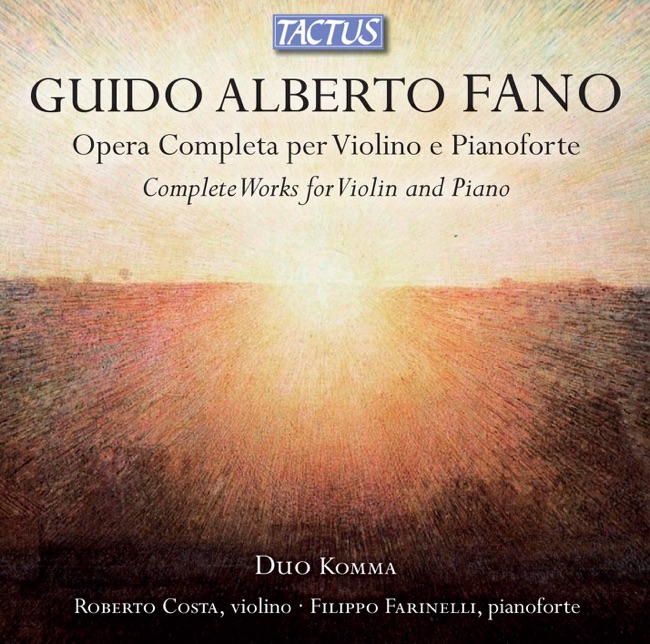 September 30, 2013
 -
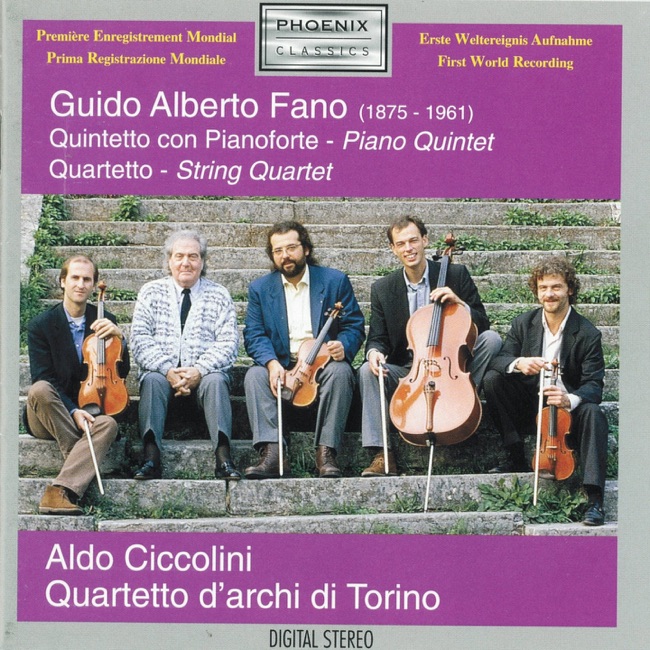 September 16, 2000
Vocal
-
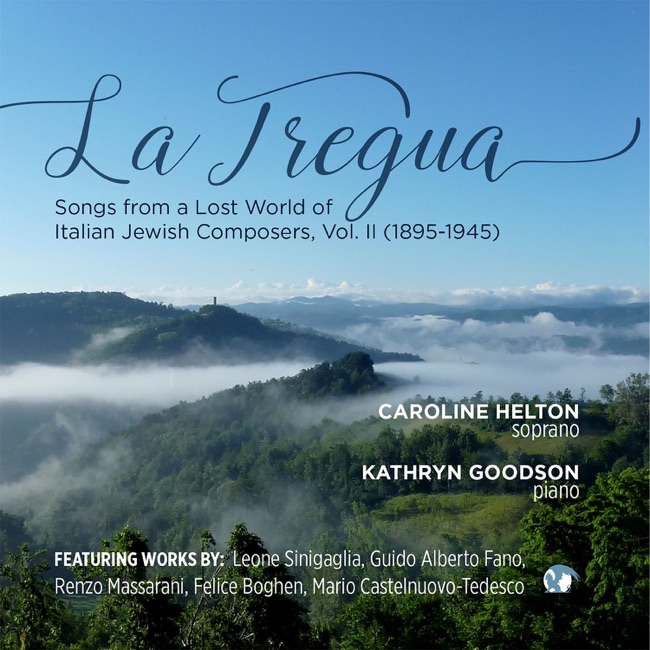
-
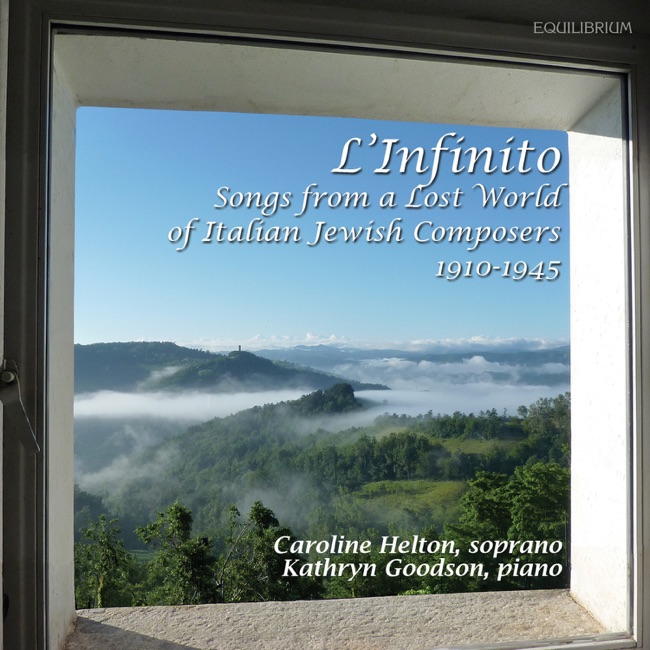 April 8, 2014
 -
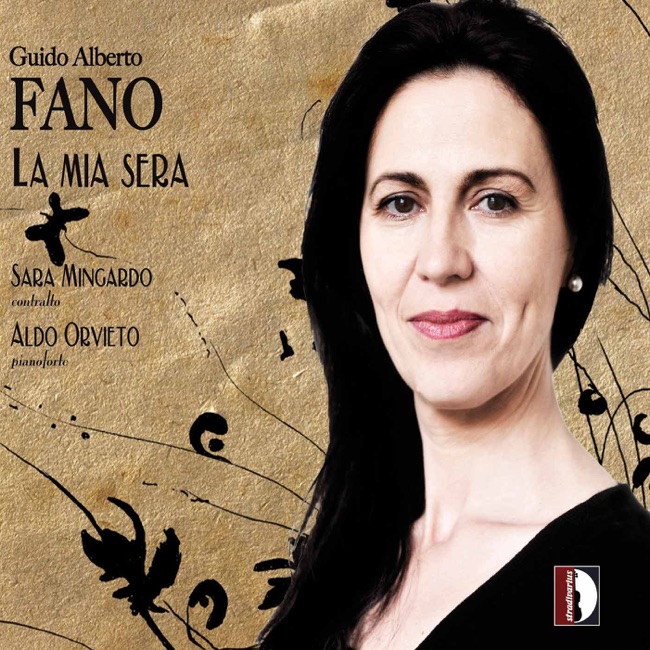 September 5, 2011
Artist Info
Role:ComposerCountry: ItalyBirth:May 18, 1875 in Padua, ItalyDeath:August 14, 1961 in Tauriano di SpilimbergoGenre:ChamberKeyboardGuido Alberto Fano was an Italian composer who was born on July 27, 1875, in Pesaro, Italy. He was the son of a wealthy Jewish family, and his father was a prominent lawyer. Fano showed an early interest in music and began studying piano and composition at a young age. Fano's musical education began at the Liceo Musicale Rossini in Pesaro, where he studied piano with Giovanni Sgambati and composition with Pietro Mascagni. He later studied with Giuseppe Martucci in Bologna and with Luigi Torchi in Milan. Fano was a gifted student and quickly gained a reputation as a talented composer. Fano's early works were heavily influenced by the Italian operatic tradition, and he wrote several operas during his early career. His first opera, "Il Conte di San Bonifacio," was premiered in 1902 and was well-received by audiences and critics alike. Fano continued to write operas throughout his career, including "La figlia di Iorio" (1906), "La sposa di Corinto" (1914), and "Il principe di Nicotera" (1922). In addition to his operas, Fano also wrote a significant amount of chamber music, including several string quartets, piano trios, and sonatas. His chamber music is characterized by its lyrical melodies, rich harmonies, and intricate counterpoint. Fano's most famous chamber work is his String Quartet No. 1, which was premiered in 1908 and is still performed regularly today. Fano's music was well-regarded by his contemporaries, and he was often compared to other prominent Italian composers of the time, such as Giacomo Puccini and Ottorino Respighi. However, Fano's music was also criticized for being too conservative and lacking in originality. Despite these criticisms, Fano continued to compose throughout his career and remained a respected figure in the Italian musical community. Fano's career was interrupted by the rise of fascism in Italy in the 1920s and 1930s. As a Jewish composer, Fano was targeted by the fascist regime and was forced to flee Italy in 1938. He settled in the United States and continued to compose, but his music was largely forgotten in Italy during his lifetime. Fano died on November 23, 1961, in New York City. His music has since been rediscovered and is now performed more frequently in Italy and around the world. Fano's legacy as a composer is characterized by his commitment to the Italian operatic tradition and his contributions to the chamber music repertoire.More....
Recent Artist Music



Copyright Ⓒ 2013 Davinci Finger. All rights reseved
Service Terms & Policy