


Tibor Harsányi
Released Album
Chamber
-
 January 28, 2022
 -
 July 16, 2021
 -
 June 14, 2019
 -
 May 13, 2016
Keyboard
-
 May 8, 2020
 -
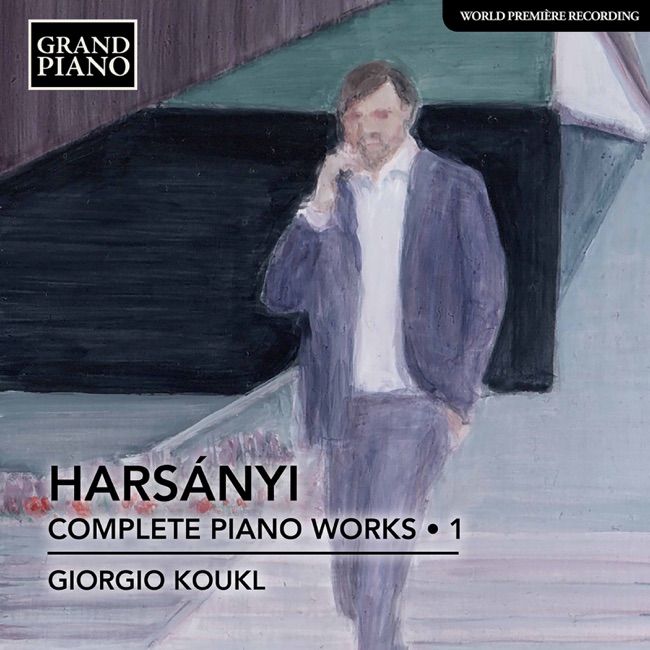 January 10, 2020
Vocal
-
 August 12, 2014
Artist Info
Role:ComposerBirth:June 27, 1898Death:September 19, 1954Period:ModernGenre:ChamberVocalTibor Harsányi was a Hungarian-born composer who made significant contributions to the world of classical music during the 20th century. Born on September 15, 1898, in Budapest, Harsányi was the son of a prominent physician and a talented pianist. From a young age, he showed a keen interest in music and began studying the piano and composition at the Franz Liszt Academy of Music in Budapest. Harsányi's early years were marked by a deep fascination with the music of his native Hungary, as well as the works of other great composers of the time, such as Debussy, Ravel, and Stravinsky. He was particularly drawn to the innovative and experimental styles of these composers, and sought to incorporate their techniques into his own work. In 1920, Harsányi moved to Paris, where he quickly became immersed in the city's vibrant artistic scene. He studied composition with Nadia Boulanger, one of the most influential music teachers of the 20th century, and also worked closely with other prominent composers of the time, such as Darius Milhaud and Arthur Honegger. During his time in Paris, Harsányi developed a unique style that blended elements of Hungarian folk music with the avant-garde techniques of the French school. His works were characterized by their complex rhythms, unconventional harmonies, and use of unusual instruments, such as the ondes Martenot, a precursor to the synthesizer. One of Harsányi's most notable works from this period was his "Concerto for Piano and Orchestra," which premiered in 1927. The piece was praised for its innovative use of rhythm and harmony, as well as its virtuosic piano writing. It quickly established Harsányi as one of the most promising young composers of his generation. Throughout the 1930s and 1940s, Harsányi continued to produce a steady stream of works that showcased his unique style and innovative approach to composition. He wrote several chamber works, including a string quartet and a trio for flute, viola, and harp, as well as a number of orchestral pieces, such as his "Symphony No. 1" and "Suite for Orchestra." Despite his success as a composer, Harsányi faced numerous challenges during this period, including the rise of fascism in Europe and the outbreak of World War II. As a Hungarian Jew living in France, he was forced to flee the country in 1940 and spent several years in hiding before eventually making his way to the United States. In America, Harsányi continued to compose and teach, and became a respected member of the musical community. He taught at several universities, including the University of California, Los Angeles, and the University of Michigan, and also served as a guest lecturer at numerous institutions around the world. During this period, Harsányi continued to produce a wide range of works, including several pieces for solo piano, such as his "Sonata No. 2" and "Three Preludes," as well as a number of chamber works, such as his "String Quartet No. 2" and "Trio for Clarinet, Viola, and Piano." One of Harsányi's most notable works from this period was his "Concerto for Ondes Martenot and Orchestra," which premiered in 1953. The piece was praised for its innovative use of the ondes Martenot, an instrument that was still relatively unknown at the time, and its complex and challenging solo writing. Harsányi continued to compose and teach until his death in 1954, at the age of 56.More....
Recent Artist Music
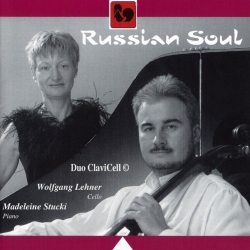
2

31:42





Copyright Ⓒ 2013 Davinci Finger. All rights reseved
Service Terms & Policy