


Julian Bautista
Released Album
Chamber
-
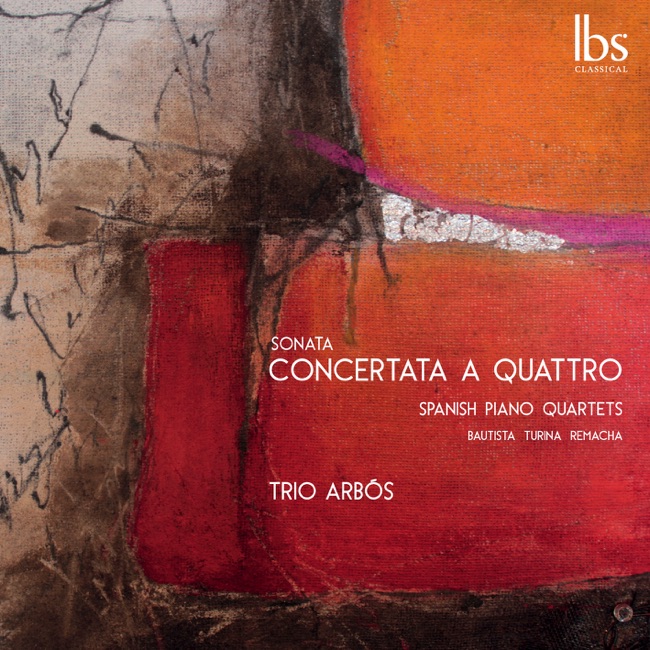 March 11, 2014
Vocal
-
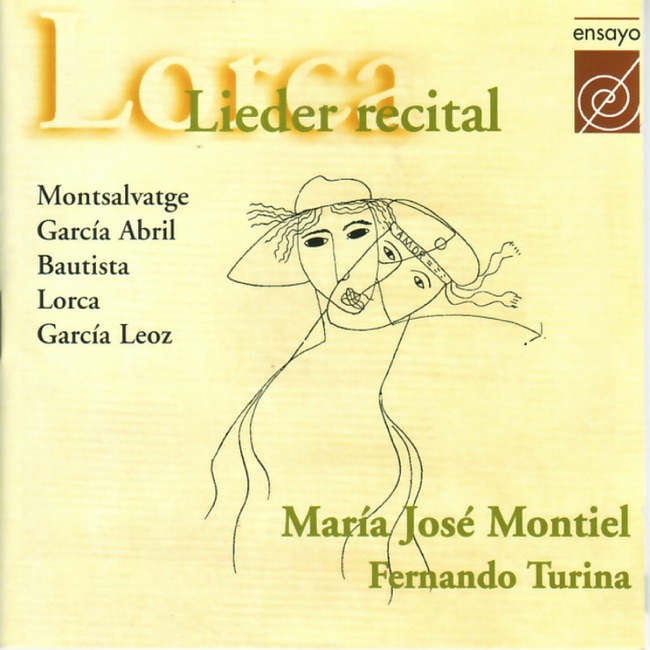 June 27, 2000
Artist Info
Role:ComposerCountry: ArgentinaBirth:April 21, 1901 in Madrid, SpainDeath:July 8, 1961 in Buenos Aires, ArgentinaPeriod:ModernGenre:VocalJulian Bautista was a Spanish composer born on January 27, 1901, in Madrid, Spain. He was the son of a well-known painter, and his mother was a pianist. Bautista grew up in a family that valued the arts, and he began his musical education at a young age. He studied piano with his mother and later with the renowned pianist and composer Joaquín Rodrigo. Bautista's early compositions were influenced by the Spanish folk music that he heard growing up. He also drew inspiration from the works of other Spanish composers, such as Manuel de Falla and Joaquín Rodrigo. Bautista's first major composition was his Piano Sonata, which he wrote when he was just 18 years old. The piece was well-received, and it helped establish Bautista as a promising young composer. In 1920, Bautista began studying at the Madrid Conservatory, where he studied composition with Conrado del Campo. He also studied piano with José Cubiles and harmony with Julio Gómez. During this time, Bautista continued to compose, and he wrote several works for piano, including his Suite Castellana and his Danzas Españolas. In 1923, Bautista won a scholarship to study in Paris, where he studied composition with Paul Dukas and piano with Isidor Philipp. While in Paris, Bautista was exposed to a wide range of musical styles, including the works of Debussy, Ravel, and Stravinsky. He also met other Spanish composers who were living in Paris at the time, including Manuel de Falla and Joaquín Rodrigo. Bautista's time in Paris was a formative period in his career, and he began to develop his own unique style. His compositions from this period, such as his Suite Parisienne and his Sonata for Violin and Piano, show the influence of French Impressionism and Neo-Classicism. In 1926, Bautista returned to Spain, where he continued to compose and perform. He became a professor of composition at the Madrid Conservatory in 1931, and he held this position until 1936. During this time, Bautista wrote some of his most important works, including his Symphony No. 1 and his Concerto for Piano and Orchestra. Bautista's music was well-received in Spain, and he became known as one of the leading composers of his generation. His music was characterized by its lyricism, its use of Spanish folk music, and its incorporation of modernist techniques. In 1936, the Spanish Civil War broke out, and Bautista was forced to flee Spain. He spent several years living in France and Argentina, where he continued to compose and perform. During this time, Bautista wrote several important works, including his Symphony No. 2 and his Concerto for Violin and Orchestra. In 1947, Bautista returned to Spain, where he was appointed director of the Madrid Conservatory. He held this position until 1952, when he resigned due to political pressure. During this time, Bautista continued to compose, and he wrote several important works, including his Symphony No. 3 and his Concerto for Guitar and Orchestra. Bautista's music continued to be well-received in Spain, and he was awarded several prestigious prizes, including the National Music Prize in 1950. However, his music was also criticized by some for being too modernist and for not being sufficiently Spanish. Bautista died on July 17, 1961, in Madrid, Spain. He left behind a legacy of important compositions, including three symphonies, several concertos, and numerous works for piano and chamber ensembles.More....
Copyright Ⓒ 2013 Davinci Finger. All rights reseved
Service Terms & Policy