


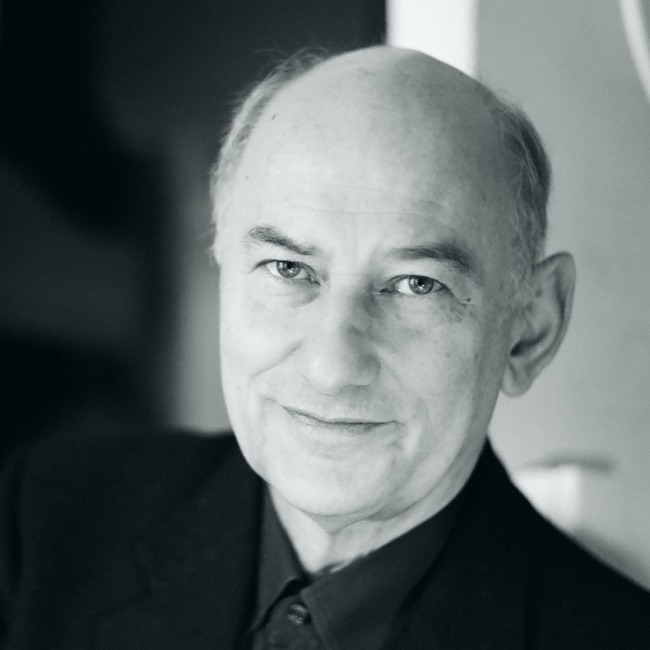
Hugues Dufourt
Released Album
Chamber
-
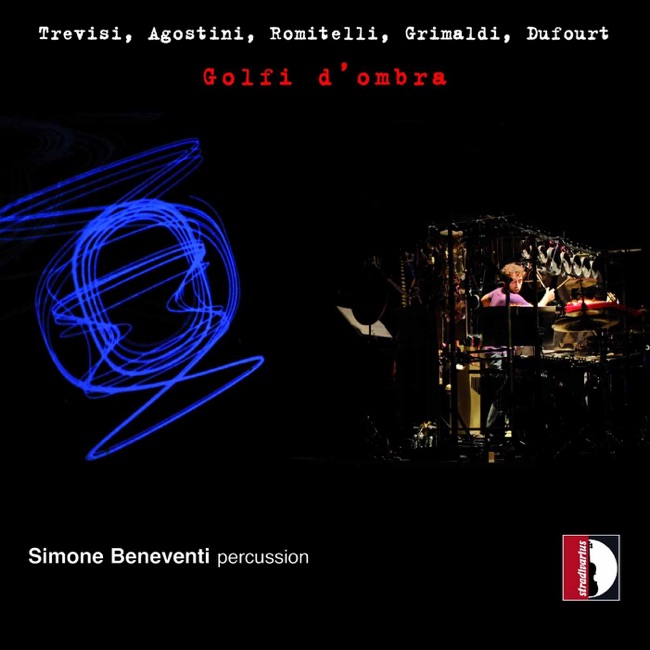 January 13, 2015
 -
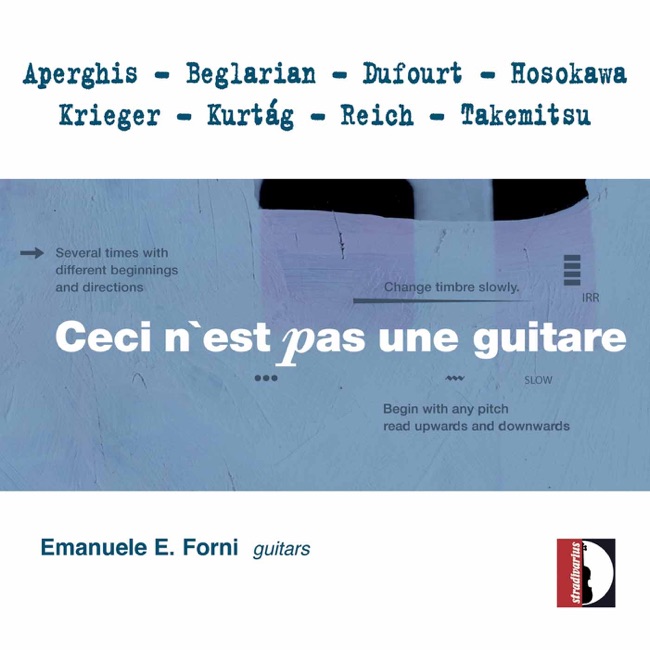 January 8, 2008
 -
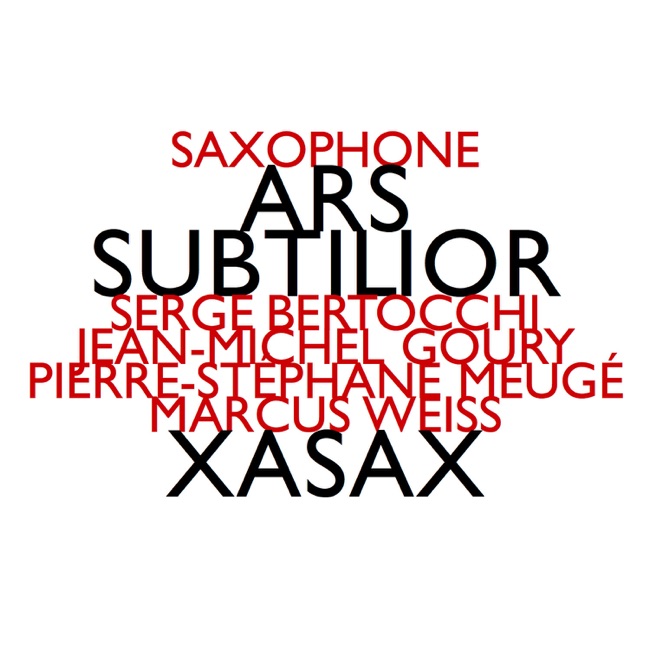 December 2, 2003
 -
 October 19, 1993
Keyboard
-
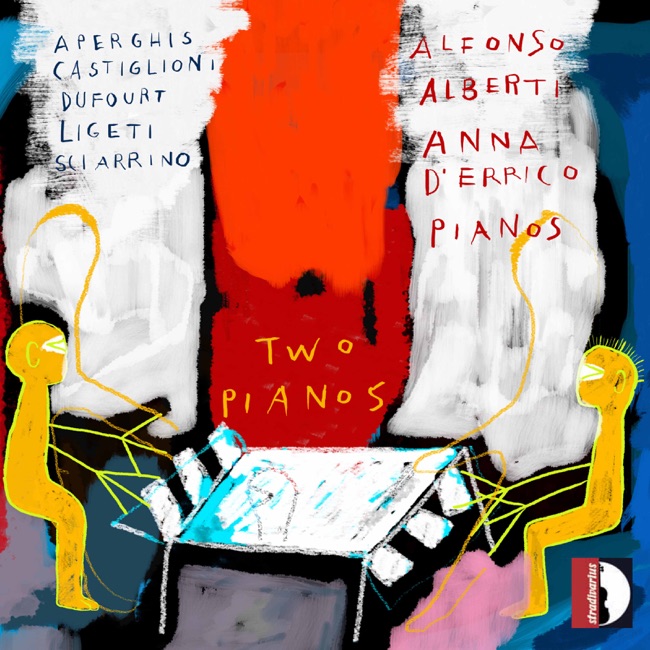
-
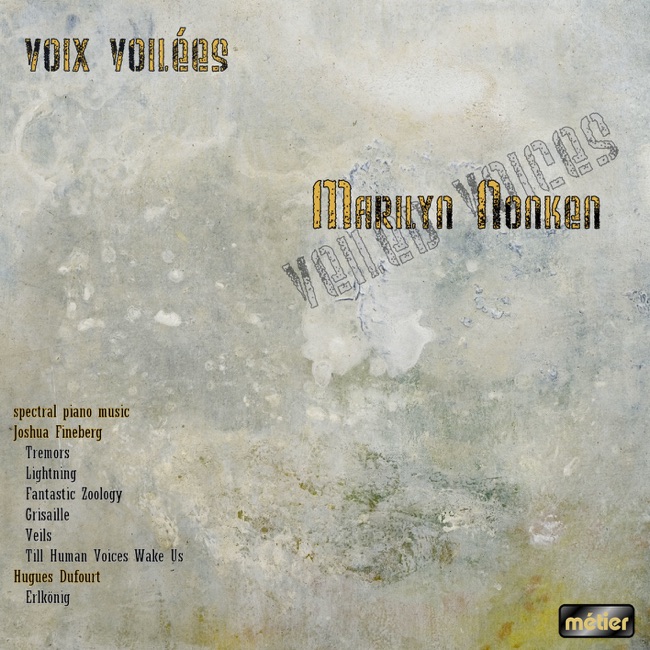 August 10, 2012
 -
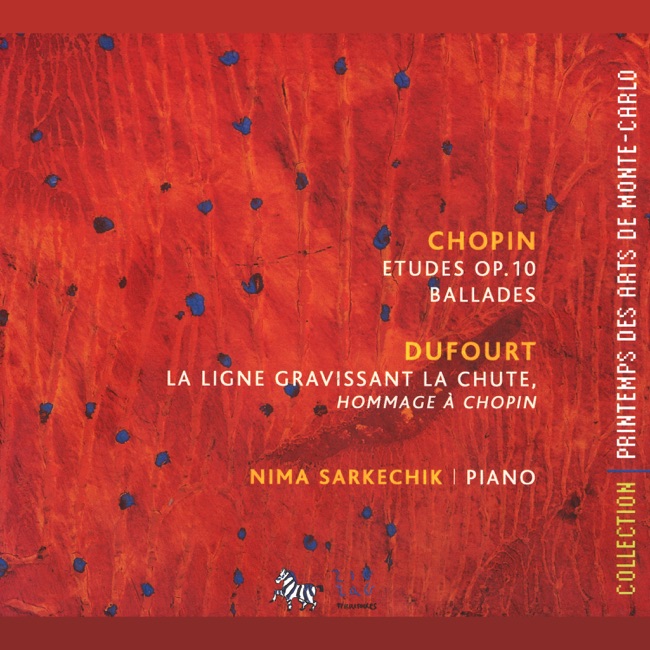
Orchestral
-
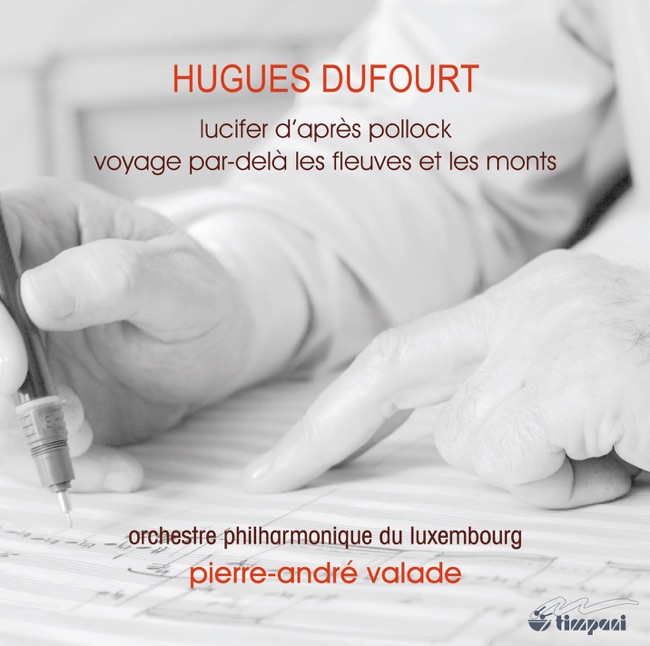 October 29, 2012
Concerto
-
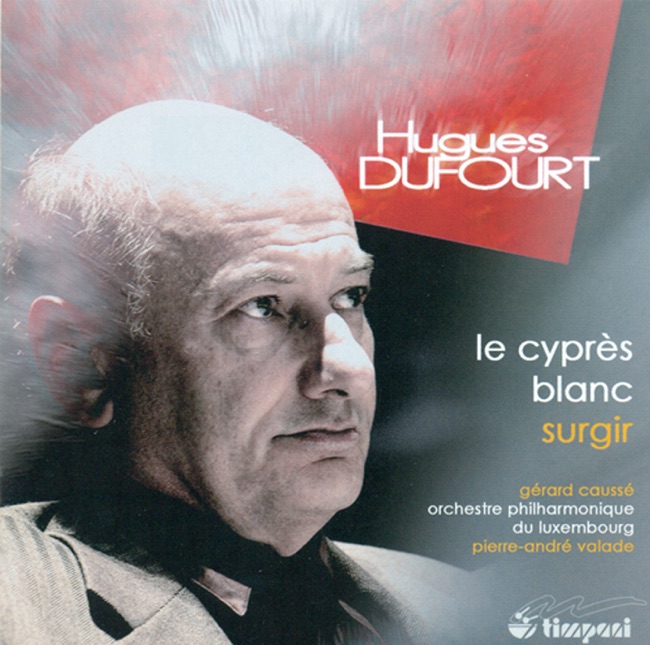 November 27, 2007
Artist Info
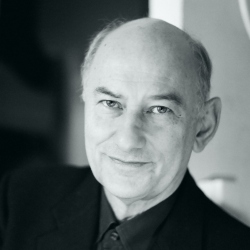
Role:ComposerBirth:1943Period:ContemporaryModernGenre:Avant-GardeChamberOrchestralHugues Dufourt is a French composer who was born on August 28, 1943, in Lyon, France. He grew up in a family of musicians, with his father being a pianist and his mother a singer. Dufourt began his musical education at a young age, studying piano and music theory. He later went on to study composition at the Paris Conservatory with Olivier Messiaen and Iannis Xenakis. Dufourt's early works were influenced by the serialism of the mid-20th century, but he soon began to develop his own unique style. His music is characterized by its use of microtonality, spectralism, and a focus on timbre and texture. Dufourt's compositions often explore the relationship between sound and space, and he has been known to use unconventional instruments and techniques in his works. One of Dufourt's most notable works is his piece "L'Offrande," which was composed in 1976. The piece is scored for large orchestra and is based on a poem by Stéphane Mallarmé. "L'Offrande" is a prime example of Dufourt's use of spectralism, as the piece is built around the harmonic series of a single note. The result is a complex and intricate sound world that is both mesmerizing and otherworldly. Another notable work by Dufourt is his piece "Vega," which was composed in 1991. The piece is scored for large orchestra and is based on the star Vega. Dufourt uses the harmonic series of Vega to create a sound world that is both ethereal and haunting. The piece is a testament to Dufourt's ability to create music that is both intellectually stimulating and emotionally engaging. Dufourt has also composed several works for chamber ensembles, including his piece "Erlkönig," which was composed in 1984. The piece is scored for flute, clarinet, violin, cello, and piano and is based on the poem "Erlkönig" by Johann Wolfgang von Goethe. Dufourt's use of microtonality and unconventional playing techniques creates a sound world that is both eerie and captivating. In addition to his work as a composer, Dufourt has also been a professor of music at the University of Paris VIII and the Paris Conservatory. He has also written several books on music theory and composition, including "Musique, pouvoir, écriture" and "L'écoute en mouvement." Dufourt's contributions to the world of classical music have been significant, and his unique style has influenced many composers who have come after him. His use of spectralism and microtonality has opened up new avenues for exploration in contemporary classical music, and his focus on timbre and texture has helped to expand the sonic possibilities of the orchestra. Dufourt's music is a testament to the power of sound and its ability to evoke emotion and create meaning.More....
Recent Artist Music
3
9:42
Copyright Ⓒ 2013 Davinci Finger. All rights reseved
Service Terms & Policy