


Charles-Hubert Gervais
Artist Info
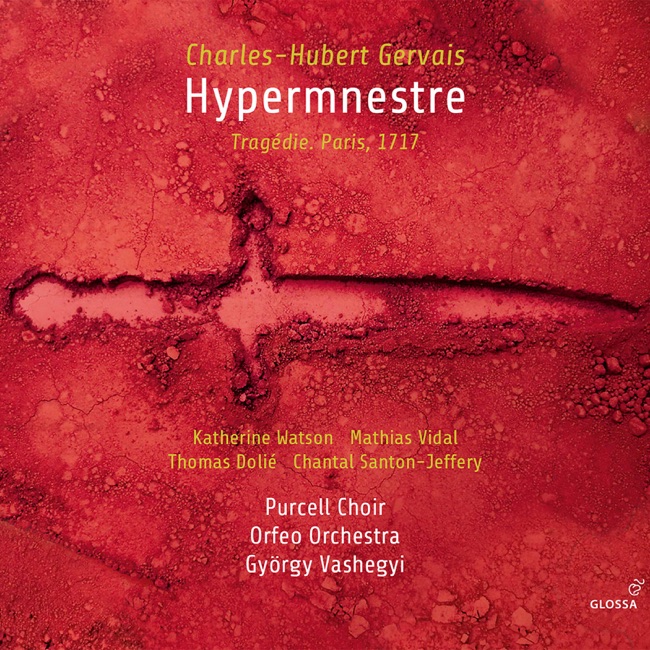
Role:ComposerBirth:February 19, 1671Death:January 14, 1744Charles-Hubert Gervais was a French composer who lived during the Baroque era. He was born on September 12, 1671, in Paris, France. Gervais was the son of a musician, and he began his musical education at a young age. He studied under the tutelage of Jean-Baptiste Moreau, a prominent composer and organist of the time. Gervais showed great promise as a musician, and he quickly gained recognition for his talent. In 1693, he was appointed as the music master to the Duke of Chartres, a position he held for several years. During this time, Gervais composed a number of works for the Duke, including operas, cantatas, and instrumental pieces. In 1700, Gervais was appointed as the music master to the Duke of Burgundy, the grandson of King Louis XIV. This was a prestigious position, and it allowed Gervais to compose music for some of the most important events at the French court. He composed music for royal weddings, coronations, and other important ceremonies. Gervais was a prolific composer, and he wrote music in a variety of genres. He composed operas, cantatas, instrumental music, and sacred music. His music was known for its elegance and refinement, and it was highly regarded by his contemporaries. One of Gervais's most famous works is his opera "Les Amours de Vénus et Adonis." This opera was first performed in 1697, and it was a great success. The opera tells the story of the love affair between Venus, the goddess of love, and Adonis, a mortal man. The music is characterized by its beautiful melodies and intricate harmonies, and it is considered to be one of the finest examples of French Baroque opera. Another notable work by Gervais is his cantata "Le Jugement de Midas." This cantata was first performed in 1703, and it tells the story of the mythical king Midas, who was given the power to turn everything he touched into gold. The music is lively and energetic, and it features a number of virtuosic vocal solos. Gervais also composed a number of instrumental works, including sonatas and suites for various instruments. One of his most famous instrumental works is his "Suite in D Major for Harpsichord." This suite is characterized by its lively dance movements and its intricate counterpoint. In addition to his secular music, Gervais also composed a number of sacred works. He wrote a number of motets and masses, which were performed in churches throughout France. His sacred music is characterized by its beautiful melodies and its use of intricate polyphony. Despite his success as a composer, Gervais's life was not without its difficulties. He suffered from poor health throughout his life, and he was often in financial difficulties. In 1729, he was forced to sell his music collection in order to pay off his debts. Charles-Hubert Gervais died on September 20, 1744, in Paris, France. He was 73 years old. Despite his financial difficulties, Gervais left behind a rich legacy of music that continues to be performed and admired to this day. His music is characterized by its elegance, refinement, and beauty, and it is a testament to his talent as a composer.More....
Recent Artist Music


Copyright Ⓒ 2013 Davinci Finger. All rights reseved
Service Terms & Policy