


Joaquín "Quinito" Valverde Sanjuán
Released Album
Vocal
-
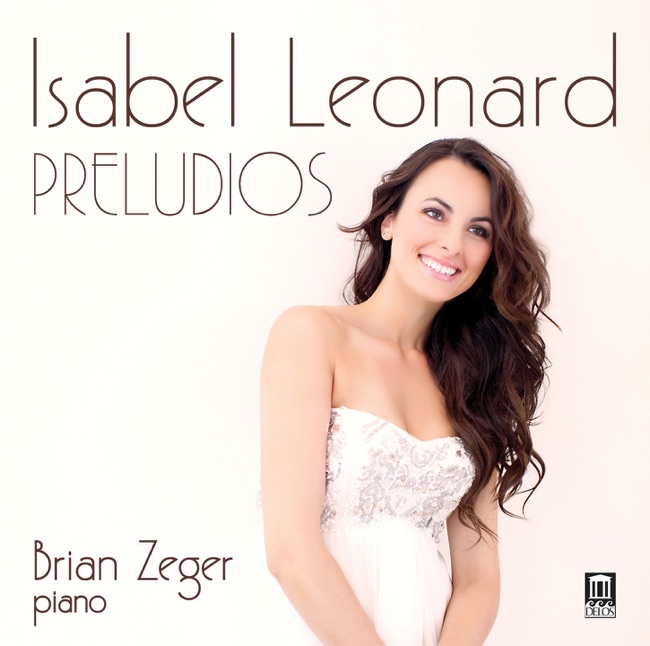 May 12, 2015
 -
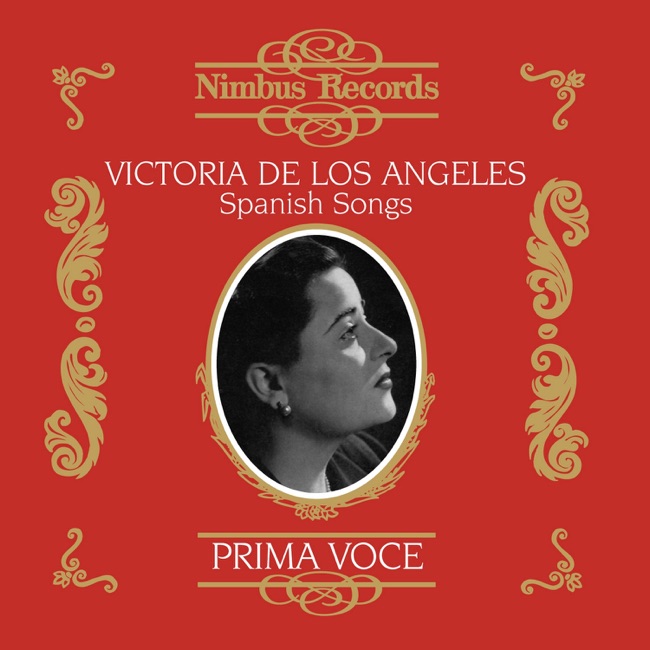 March 11, 2008
 -
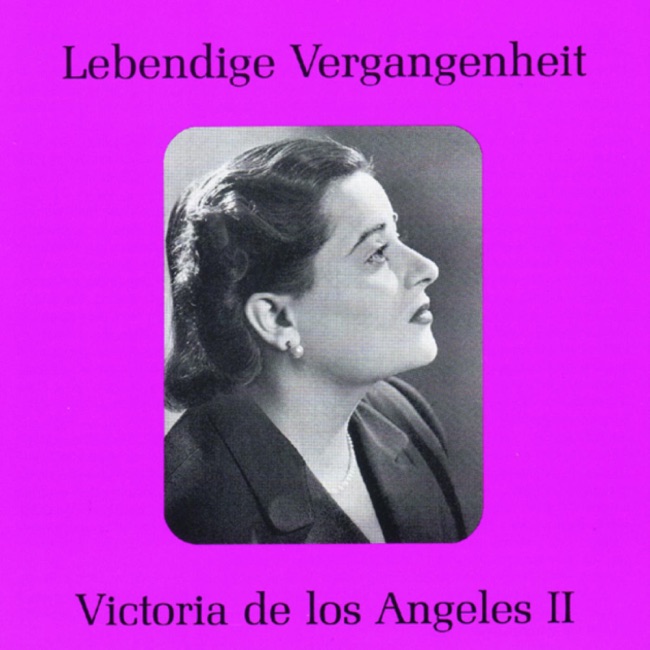 October 25, 2005
Artist Info
Role:ComposerCountry: SpainBirth:January 2, 1875 in Madrid, SpainDeath:November 4, 1918 in Mexico City, MexicoJoaquín Quinito Valverde Sanjuán was a Spanish composer born on October 27, 1846, in the city of Valencia. He was the son of a musician and began his musical education at a young age. His father, Francisco Valverde, was a well-known composer and conductor in Valencia, and he taught his son the basics of music theory and composition. As a child, Joaquín showed a natural talent for music, and he quickly became proficient in playing the piano and the guitar. He also showed an interest in singing, and he joined the choir of the local church. His father recognized his son's talent and encouraged him to pursue a career in music. Joaquín continued his musical education at the Conservatorio de Valencia, where he studied under the guidance of the renowned composer and conductor, Emilio Arrieta. He excelled in his studies and won several awards for his compositions. In 1868, he graduated from the conservatory with a degree in composition. After completing his studies, Joaquín began his career as a composer and conductor. He quickly gained a reputation for his innovative compositions and his ability to blend traditional Spanish music with modern European styles. He also became known for his skill as a conductor, and he was invited to lead several orchestras throughout Spain. One of Joaquín's most famous works is the zarzuela "El Padre Nuestro," which he composed in 1870. The zarzuela is a form of Spanish musical theater that combines music, dance, and drama. "El Padre Nuestro" tells the story of a young woman who falls in love with a man who is not of her social class. The zarzuela was a huge success and helped establish Joaquín as one of the leading composers of his time. In 1873, Joaquín moved to Madrid, where he continued to compose and conduct. He became a member of the Royal Academy of Fine Arts of San Fernando and was appointed the director of the Madrid Conservatory. He also continued to compose zarzuelas, including "La Gran Vía," which premiered in 1886. "La Gran Vía" is considered one of the most important zarzuelas of the 19th century and is still performed today. Joaquín's music was influenced by the folk music of his native Valencia, as well as the classical music of Europe. He was known for his use of traditional Spanish rhythms and melodies, as well as his innovative harmonies and orchestrations. His music was also characterized by its emotional depth and its ability to capture the spirit of the Spanish people. In addition to his work as a composer and conductor, Joaquín was also a teacher. He taught composition at the Madrid Conservatory and mentored several young composers, including Manuel de Falla and Joaquín Rodrigo. His influence on Spanish music was significant, and he is considered one of the most important composers of the 19th century. Joaquín died on June 20, 1910, in Madrid. His legacy lives on through his music, which continues to be performed and celebrated today. His contributions to Spanish music are significant, and he is remembered as one of the most important composers of his time.More....
Recent Artist Music
4
1:53
Copyright Ⓒ 2013 Davinci Finger. All rights reseved
Service Terms & Policy