


William Flackton
Released Album
Chamber
-
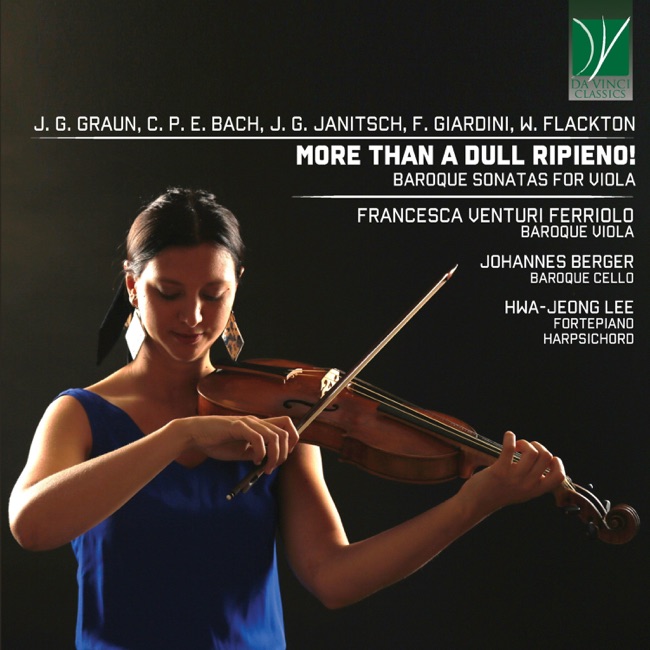
-
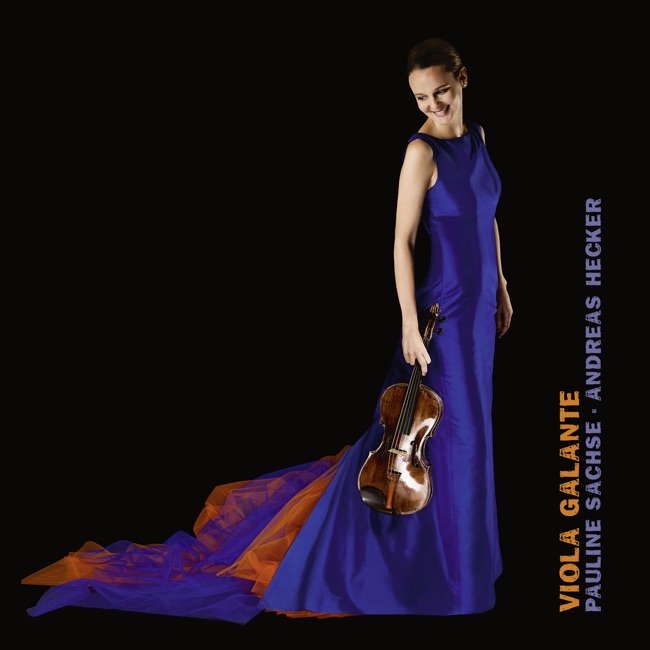 November 24, 2017
 -
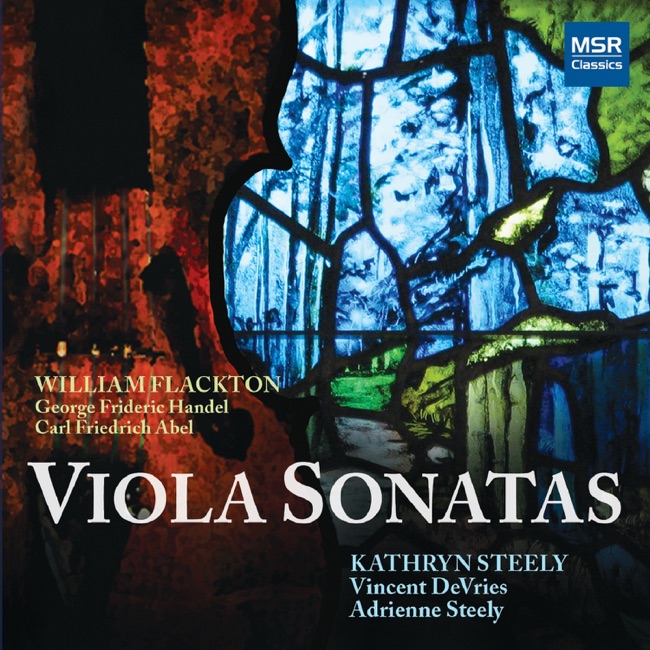 March 8, 2011
Artist Info
Role:ComposerBirth:March 27, 1709 in Canterbury, Kent, EnglandDeath:January 5, 1798Period:ClassicalWilliam Flackton was a British composer and organist who lived during the 18th century. He was born in the year 1709 in the town of Andover, Hampshire, England. Flackton was the son of a musician, and he grew up in a musical family. His father, John Flackton, was a violinist and a member of the Andover band. William Flackton showed an early interest in music, and he began to study the violin and the organ at a young age. Flackton's musical education was primarily self-taught. He learned to play the organ by practicing on the instrument in the local church. He also studied music theory and composition by reading books and studying the works of other composers. Flackton's talent as a musician was recognized early on, and he was soon appointed as the organist at the church in Andover. Flackton's career as a composer began in the 1730s. He composed a number of works for the organ, including preludes, fugues, and sonatas. His music was well-received, and he soon gained a reputation as a talented composer. In 1738, Flackton published his first collection of organ music, which included a number of his own compositions. Flackton's music was influenced by the Baroque style, which was popular during his lifetime. His compositions were characterized by their intricate counterpoint and use of ornamentation. Flackton's music was also notable for its expressive melodies and use of chromaticism. In addition to his work as a composer, Flackton was also a skilled organist. He was known for his improvisational skills, and he often performed his own compositions in public. Flackton was also a respected teacher, and he taught music to a number of students throughout his career. One of Flackton's most famous works is his Sonata in C Major for Violin and Continuo. The piece was composed in the 1740s and is considered to be one of the finest examples of the Baroque sonata form. The piece is characterized by its lively rhythms and virtuosic violin writing. The Sonata in C Major has been performed and recorded by a number of musicians over the years and remains a popular work in the classical repertoire. Flackton's other notable works include his Six Sonatas for Flute and Continuo, which were composed in the 1750s. The sonatas are characterized by their elegant melodies and use of ornamentation. Flackton's music was also notable for its use of counterpoint, which was a hallmark of the Baroque style. Flackton continued to compose music throughout his life, and he remained active as a musician until his death in 1791. His music was well-regarded during his lifetime, and his compositions continue to be performed and recorded today. Flackton's legacy as a composer and organist has had a lasting impact on the classical music world, and his music remains an important part of the Baroque repertoire.More....
Recent Artist Music
Copyright Ⓒ 2013 Davinci Finger. All rights reseved
Service Terms & Policy