


Hans Sommer
Released Album
Vocal
-
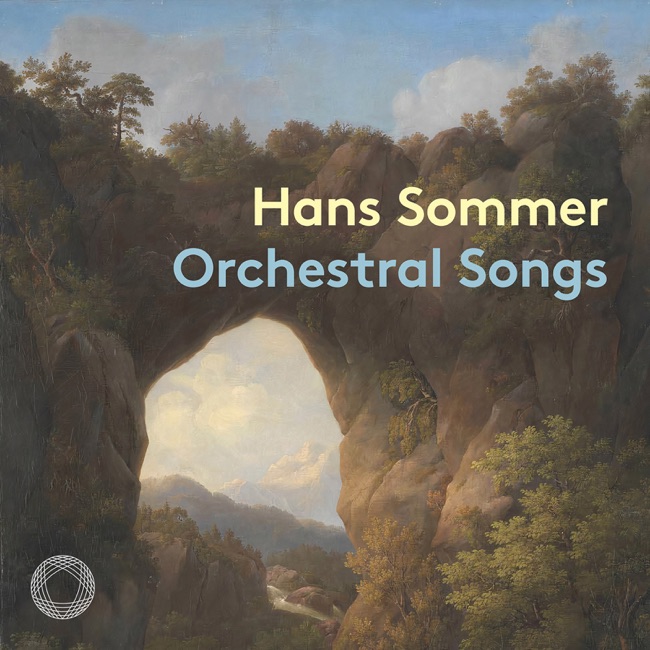 November 4, 2022
 -
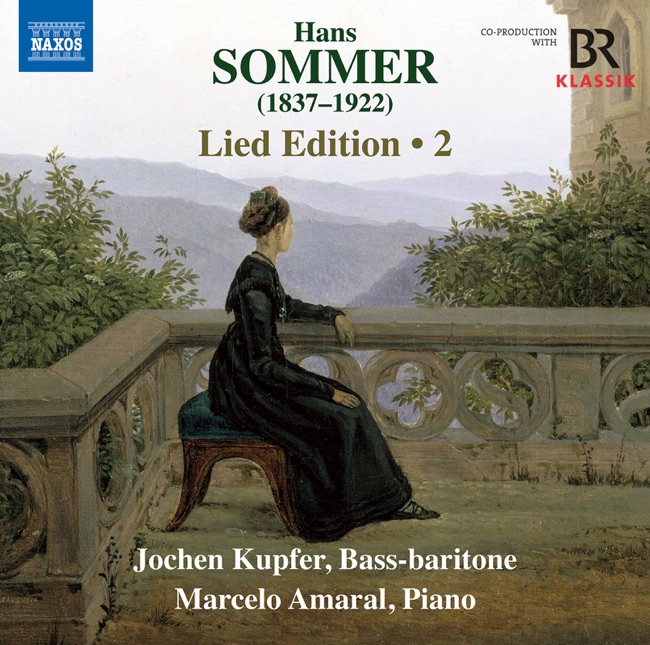 January 28, 2022
 -
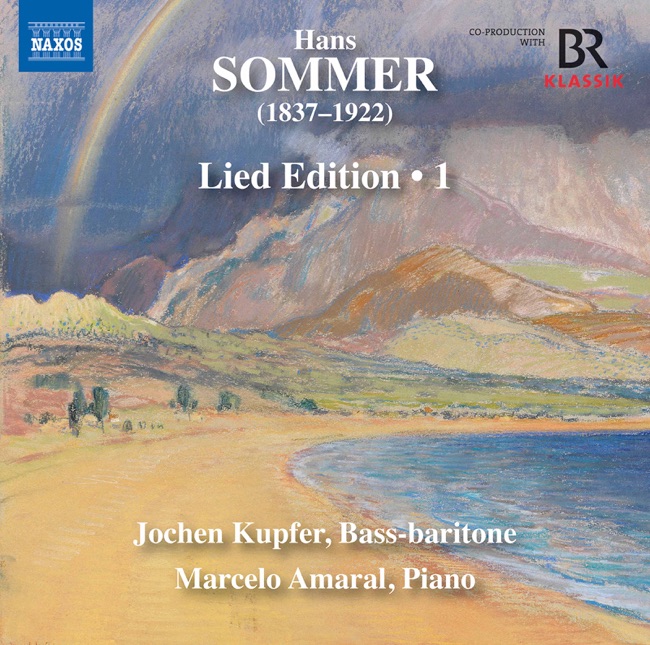 September 25, 2020
 -
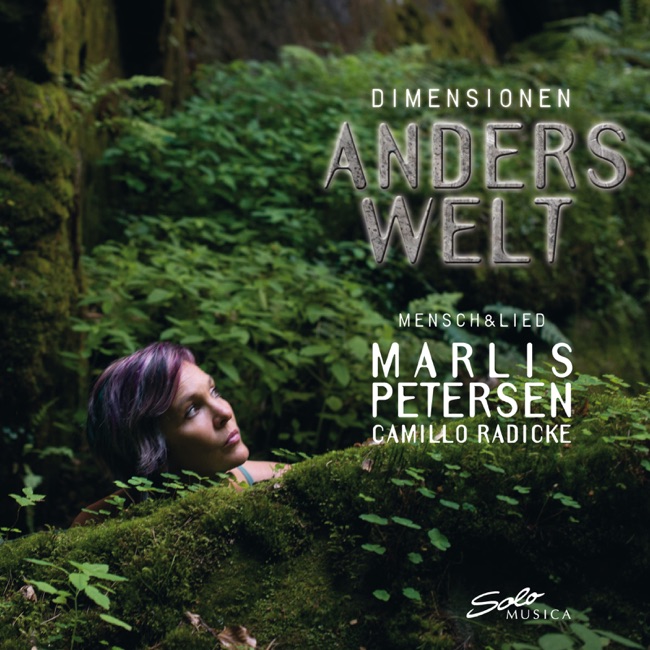 November 2, 2018
 -
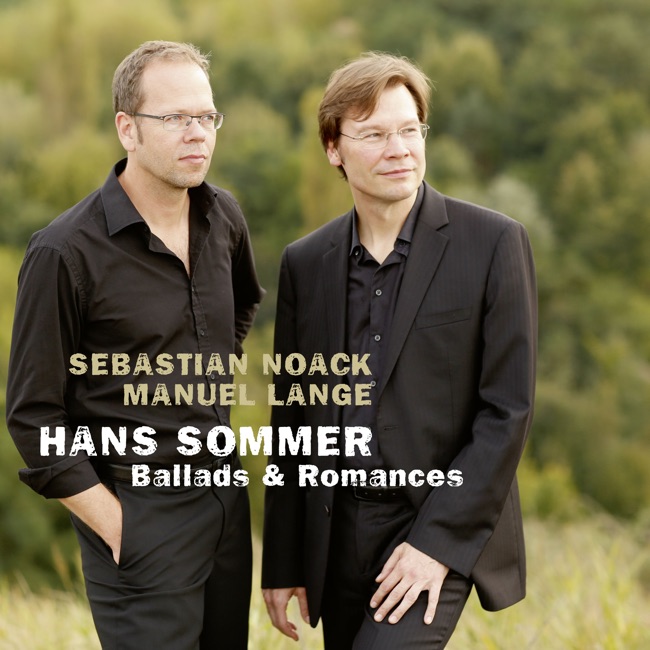 June 8, 2018
 -
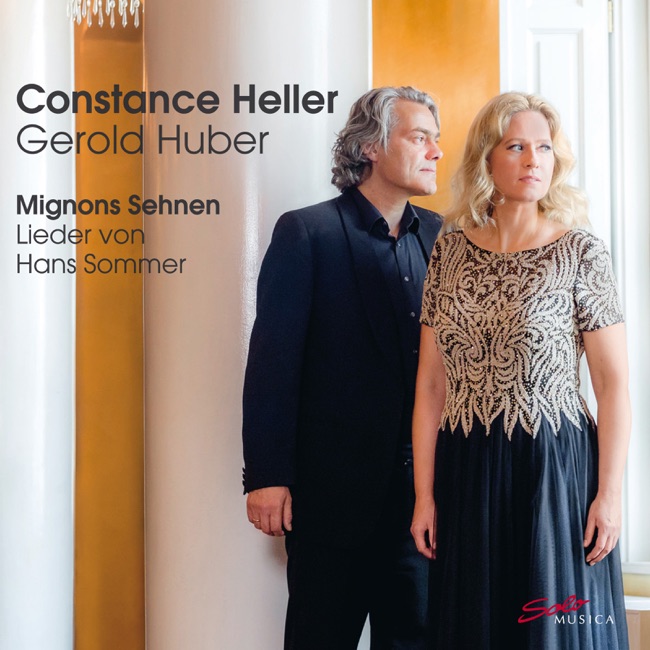 March 30, 2018
Opera
-
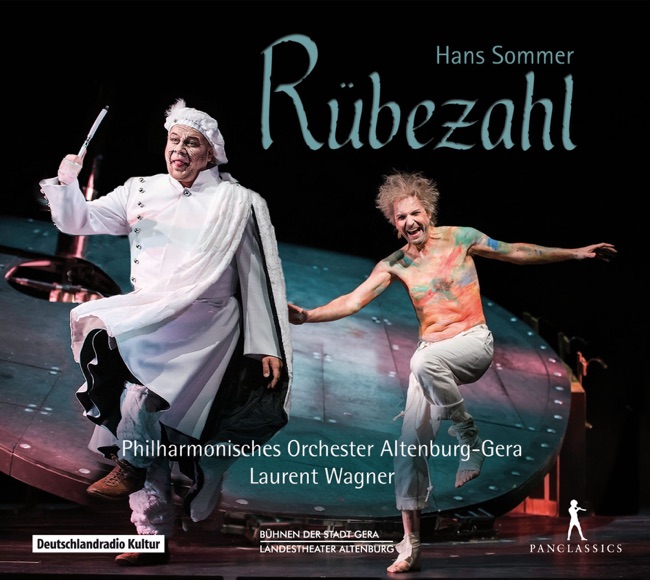 January 20, 2017
Artist Info
Role:ComposerBirth:July 20, 1837 in Brunswick, GermanyDeath:April 26, 1922 in Brunswick, GermanyPeriod:RomanticHans Sommer was a German composer and music educator who lived from 1837 to 1922. He was born in Frankfurt an der Oder, a city in eastern Germany, on August 31, 1837. His father was a music teacher, and Hans showed an early aptitude for music. He began studying piano and violin at a young age, and later added composition to his studies. Sommer's musical education took him to several cities in Germany. He studied at the Leipzig Conservatory from 1856 to 1858, where he was a pupil of Julius Rietz and Moritz Hauptmann. He then moved to Berlin, where he studied with Theodor Kullak and Friedrich Kiel. In 1861, he went to Weimar to study with Franz Liszt, who was one of the most famous composers and pianists of the time. Sommer's early compositions were influenced by the Romantic style of Liszt and other composers of the time. He wrote several works for piano, including a set of variations on a theme by Beethoven, and a sonata in B-flat minor. He also wrote songs, which were a popular genre in the 19th century. His song cycle "Aus dem Süden" (From the South) was well-received and helped establish his reputation as a composer. In 1864, Sommer was appointed as a music teacher at the newly-founded Hoch Conservatory in Frankfurt. He taught composition, piano, and music theory, and was highly respected by his students. Among his pupils were several notable composers, including Paul Hindemith and Kurt Weill. Sommer continued to compose throughout his career, and his style evolved over time. He became interested in the music of J.S. Bach and other Baroque composers, and began incorporating elements of their style into his own works. He also experimented with new forms, such as the symphonic poem, which was a popular genre in the late 19th century. One of Sommer's most famous works is his Symphony No. 1 in C minor, which he composed in 1876. The symphony is in four movements and shows the influence of both the Romantic and Baroque styles. The first movement is dramatic and intense, while the second movement is a lyrical adagio. The third movement is a lively scherzo, and the final movement is a triumphant allegro. Sommer also wrote several operas, although they were not as successful as his instrumental works. His most famous opera is "Die Göttin der Vernunft" (The Goddess of Reason), which he composed in 1897. The opera is a satirical work that pokes fun at the French Revolution and the cult of reason that emerged during that time. In addition to his work as a composer and teacher, Sommer was also active in the music community. He was a member of several music societies, including the Bach Society and the Beethoven Society. He also served as the director of the Frankfurt Music Association from 1880 to 1890. Sommer's later years were marked by a decline in his health. He suffered from arthritis and other ailments, which made it difficult for him to compose and perform. He died on December 14, 1922, at the age of 85. Today, Sommer is remembered as an important figure in German music of the late 19th and early 20th centuries. His works show a synthesis of the Romantic and Baroque styles, and his influence can be seen in the music of his students and other composers of the time. Although he is not as well-known as some of his contemporaries, his contributions to the world of classical music are significant and enduring.More....
Recent Artist Music

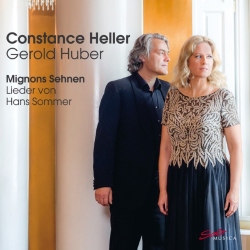
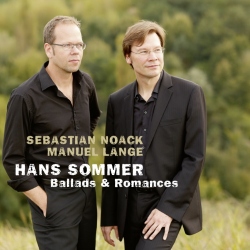
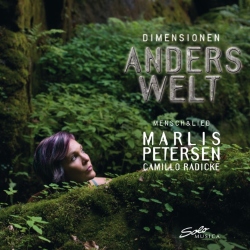
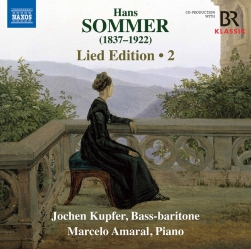
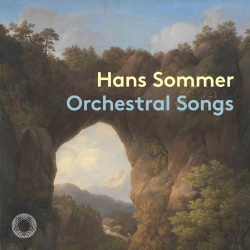
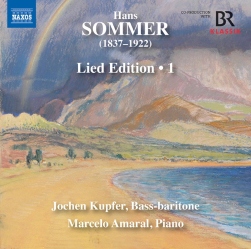
Copyright Ⓒ 2013 Davinci Finger. All rights reseved
Service Terms & Policy