


Francesco Soriano
Released Album
Choral
-
 November 2, 2018
 -
-
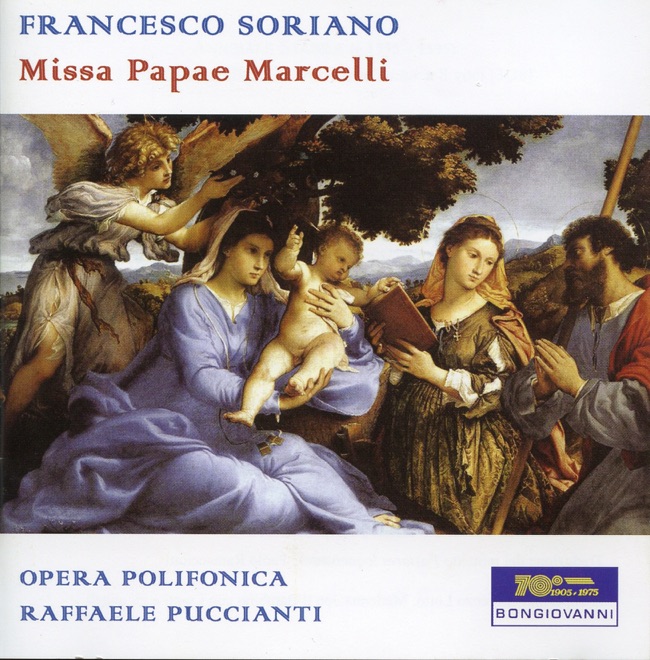 August 1, 2013
 -
 September 27, 2011
 -
Chamber
-
 October 26, 2017
Artist Info
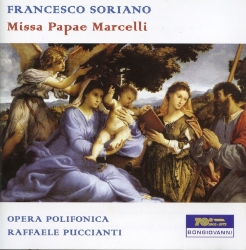
Role:ComposerCountry: ItalyBirth:1548Death:1621Period:RenaissanceFrancesco Soriano was a prominent Italian composer of the late Renaissance period. He was born in Soriano Calabro, a small town in southern Italy, in 1548. Not much is known about his early life, but it is believed that he received his musical education in Naples, which was a major center of music at the time. Soriano began his career as a singer and composer in the service of the Spanish viceroy in Naples. He later moved to Rome, where he worked as a musician for several noble families, including the powerful Farnese family. In 1584, he was appointed maestro di cappella (choirmaster) at the Basilica of San Giovanni in Laterano, one of the most prestigious musical positions in Rome. Soriano was a prolific composer, and his works were widely admired during his lifetime. He wrote music in a variety of genres, including sacred and secular vocal music, instrumental music, and music for the theater. His music was characterized by its expressive melodies, rich harmonies, and skillful use of counterpoint. One of Soriano's most famous works is his Missa Papae Marcelli, a mass written in honor of Pope Marcellus II. The mass is considered a masterpiece of Renaissance polyphony, and is still performed and recorded today. Another notable work is his collection of madrigals, Il Primo Libro de Madrigali a Cinque Voci, which was published in 1583. The collection includes some of Soriano's most beautiful and expressive music, and is a testament to his skill as a composer of vocal music. Soriano was also known for his instrumental music, particularly his keyboard works. He wrote several collections of keyboard music, including his Toccate, Ricercari, et Canzoni Francese, which was published in 1615. The collection includes a variety of pieces in different styles, from lively dance music to contemplative preludes. Despite his success as a composer, Soriano's life was not without its difficulties. He struggled with financial problems throughout his career, and was often forced to rely on the patronage of wealthy nobles to support himself. He also faced criticism from some quarters for his use of chromaticism and other advanced musical techniques, which were seen as too complex and difficult for the average listener. Despite these challenges, Soriano remained dedicated to his art, and continued to compose music until his death in 1621. His legacy as a composer of beautiful and expressive music lives on today, and his works continue to be performed and admired by musicians and music lovers around the world.More....
Recent Artist Music
6
1:44

Copyright Ⓒ 2013 Davinci Finger. All rights reseved
Service Terms & Policy