


Julian Krein
Artist Info
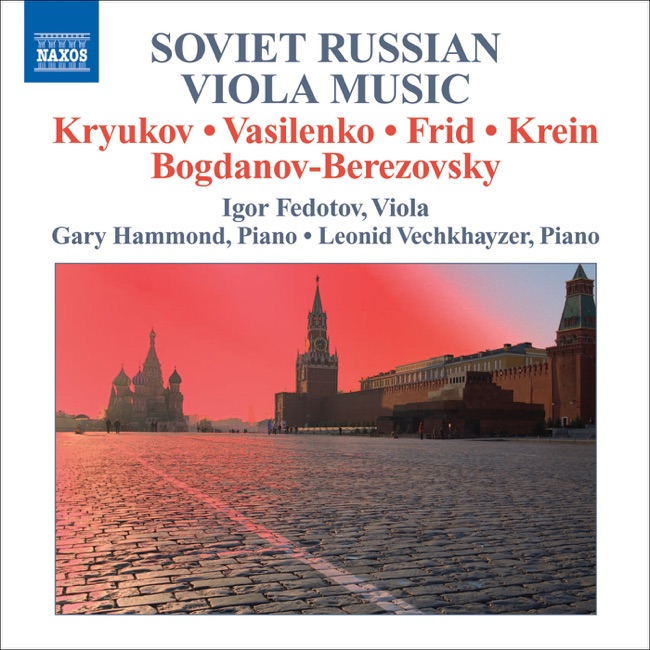
Role:ComposerCountry: RussiaBirth:March 5, 1913 in Moscow, RussiaDeath:1996Period:ModernGenre:ChamberJulian Krein was a Russian-born composer who made significant contributions to the world of classical music during the early 20th century. Born on December 11, 1913, in Moscow, Krein was the son of a prominent composer and conductor, Alexander Krein. Growing up in a musical family, Julian Krein was exposed to music from an early age and began studying the piano and composition at a young age. Krein's early musical education was shaped by his father, who was a leading figure in the Russian Jewish music scene. Alexander Krein was a member of the Society for Jewish Folk Music, which aimed to promote Jewish music and culture in Russia. Julian Krein was heavily influenced by his father's work and the music of the Society for Jewish Folk Music, which would later inspire many of his own compositions. In 1920, the Krein family fled Russia due to the political turmoil and anti-Semitic violence that was sweeping the country. They settled in Berlin, where Julian Krein continued his musical education. He studied composition with Franz Schreker and piano with Artur Schnabel, two of the most prominent musicians of the time. Krein's early compositions were heavily influenced by the music of his father and the Society for Jewish Folk Music. He wrote several works for chamber ensembles, including his String Quartet No. 1, which was premiered in Berlin in 1933. The piece was well-received and established Krein as a promising young composer. In 1934, Krein moved to Paris, where he continued to compose and perform. He became involved with the Parisian avant-garde music scene and was influenced by the works of composers such as Igor Stravinsky and Arnold Schoenberg. Krein's compositions during this period were characterized by their use of dissonance and unconventional harmonies. Krein's most significant work from this period was his Symphony No. 1, which was premiered in Paris in 1937. The piece was well-received and established Krein as a leading figure in the French music scene. The Symphony No. 1 was notable for its use of Jewish folk melodies and its incorporation of elements of jazz and popular music. In 1939, Krein moved to the United States, where he continued to compose and perform. He became involved with the New York music scene and was influenced by the works of American composers such as Aaron Copland and George Gershwin. Krein's compositions during this period were characterized by their use of American folk melodies and their incorporation of elements of jazz and popular music. Krein's most significant work from this period was his Symphony No. 2, which was premiered in New York in 1942. The piece was well-received and established Krein as a leading figure in the American music scene. The Symphony No. 2 was notable for its use of American folk melodies and its incorporation of elements of jazz and popular music. Krein continued to compose and perform throughout the 1940s and 1950s. He wrote several works for orchestra, including his Concerto for Piano and Orchestra, which was premiered in New York in 1951. The piece was well-received and established Krein as a leading composer of concertos. In the 1960s, Krein began to incorporate electronic music into his compositions. He wrote several works for electronic instruments, including his Electronic Symphony, which was premiered in New York in 1967. The piece was well-received and established Krein as a leading figure in the electronic music scene.More....
Recent Artist Music
Copyright Ⓒ 2013 Davinci Finger. All rights reseved
Service Terms & Policy