


Christian August Jacobi
Released Album
Vocal
-
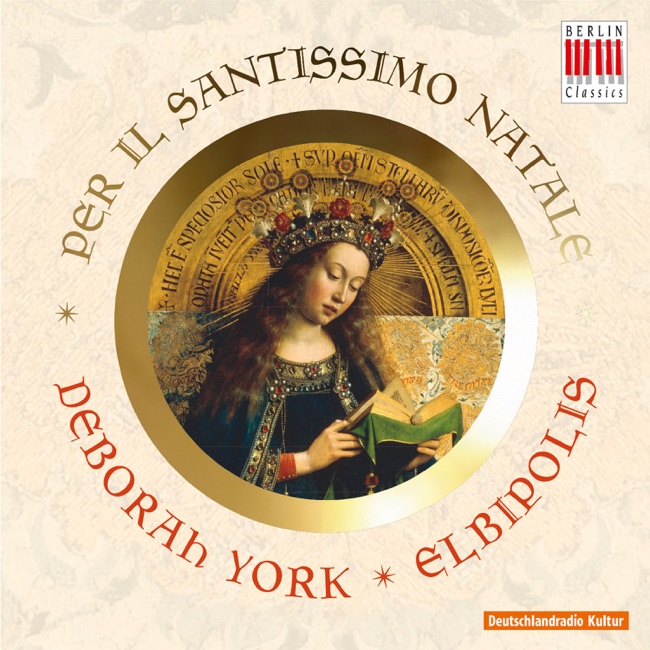 October 30, 2009
Choral
-
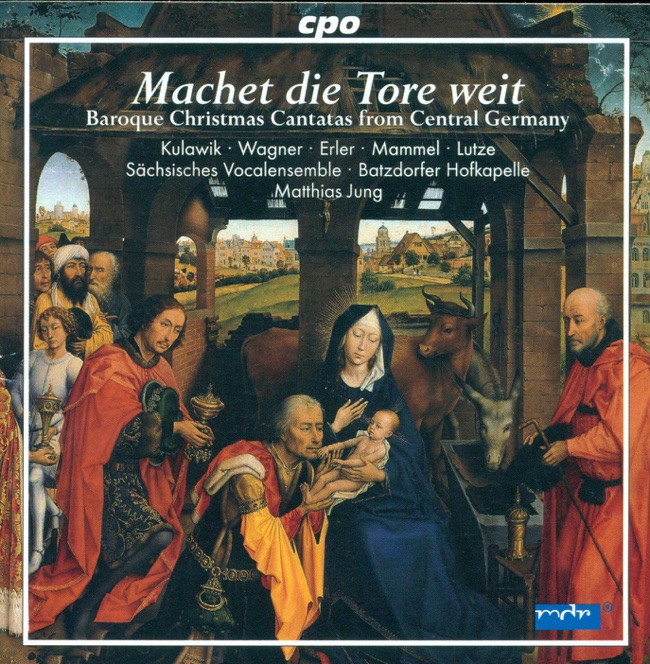 November 20, 2007
Artist Info
Role:ComposerBirth:1688Death:1725Christian August Jacobi was a German composer and music theorist who lived from 1759 to 1814. He was born in the town of Hainichen in Saxony, Germany, and showed an early aptitude for music. His father was a musician and taught him the basics of music theory and composition. Jacobi went on to study music at the University of Leipzig, where he was mentored by Johann Adam Hiller, a prominent composer and conductor of the time. Jacobi's early works were influenced by the music of his mentor, Hiller, as well as the works of other composers of the time, such as Johann Sebastian Bach and George Frideric Handel. He wrote a number of vocal and instrumental works, including cantatas, sonatas, and symphonies. His music was well-received by audiences and critics alike, and he quickly gained a reputation as a talented composer. In 1782, Jacobi was appointed as the music director of the court orchestra in Gotha, Germany. This was a prestigious position, and it allowed him to work with some of the finest musicians of the time. He continued to compose during his time in Gotha, and his works from this period include a number of operas, as well as chamber music and symphonies. One of Jacobi's most famous works is his opera "Der Tod Abels" (The Death of Abel), which was first performed in 1787. The opera tells the biblical story of Cain and Abel, and it was praised for its dramatic intensity and emotional depth. The music is characterized by its use of choral and orchestral textures, as well as its expressive melodies and harmonies. Jacobi was also known for his contributions to music theory. He wrote a number of treatises on music, including "Grundregeln zur Tonordnung" (Basic Rules of Harmony), which was published in 1792. This work was influential in the development of music theory in Germany, and it helped to establish Jacobi as an authority on the subject. In addition to his work as a composer and music theorist, Jacobi was also a respected music educator. He taught at the University of Jena, where he was appointed as a professor of music in 1804. He continued to teach and compose until his death in 1814. Jacobi's music is characterized by its emotional intensity and expressive power. His works often feature complex harmonies and intricate textures, and they are known for their dramatic flair and sense of grandeur. His contributions to music theory helped to shape the development of music in Germany, and his influence can still be felt in the works of composers today. Overall, Christian August Jacobi was a talented composer and music theorist who made significant contributions to the development of music in Germany. His works continue to be performed and studied today, and his legacy as a composer and educator lives on.More....
Recent Artist Music
2

4:22
Copyright Ⓒ 2013 Davinci Finger. All rights reseved
Service Terms & Policy