


Miklós Kocsár
Released Album
Chamber
-
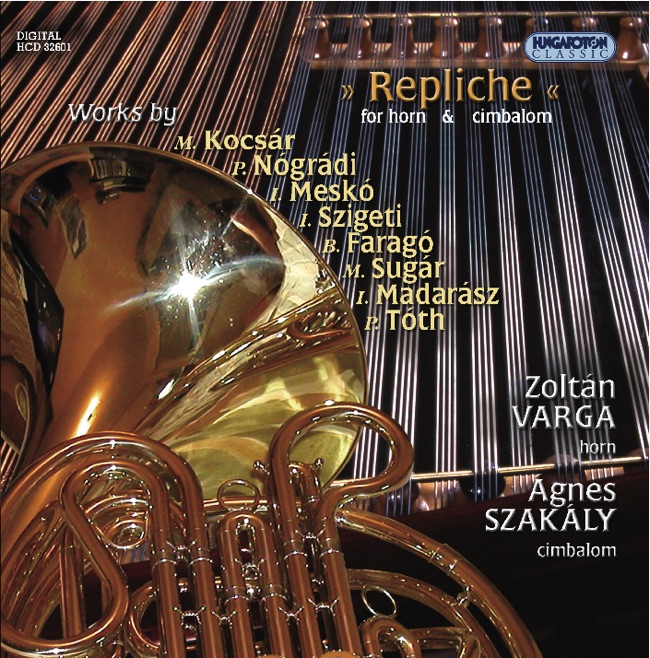 April 9, 2009
 -
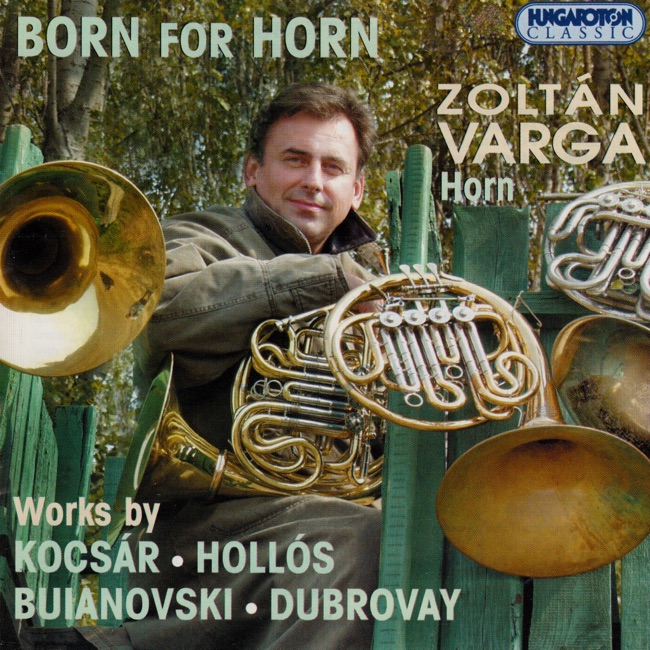 February 25, 2003
 -
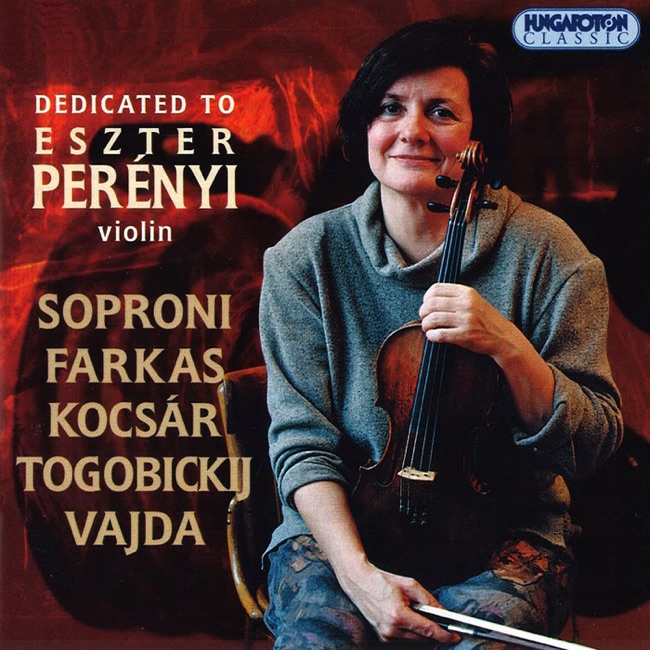 December 7, 1999
 -
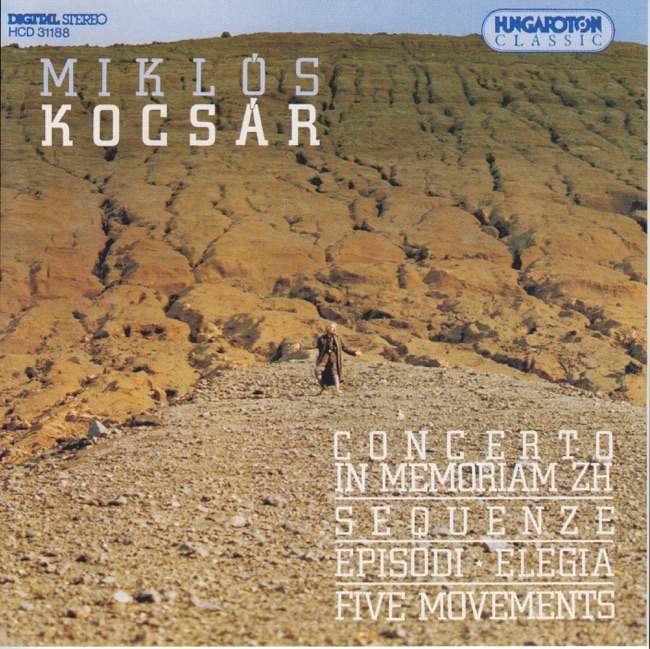
Choral
-
 March 27, 2016
 -
 February 26, 2002
Artist Info
Role:Composer ConductorBirth:December 21, 1933Period:ContemporaryGenre:ChamberChoralMiklós Kocsár was a Hungarian composer of classical music, born on August 22, 1933, in Budapest, Hungary. He was the son of a music teacher, and his father's influence played a significant role in his early musical education. Kocsár began his musical studies at the age of six, learning to play the piano and the violin. He later studied composition at the Franz Liszt Academy of Music in Budapest, where he was a student of Zoltán Kodály. Kocsár's early compositions were influenced by the folk music of Hungary, which he had been exposed to from a young age. He was particularly interested in the use of folk melodies and rhythms in classical music, and this became a hallmark of his style. Kocsár's first major work was his Symphony No. 1, which he composed in 1957. The symphony was well-received and helped establish Kocsár as a promising young composer. Throughout the 1960s and 1970s, Kocsár continued to compose a wide range of works, including orchestral pieces, chamber music, and choral works. One of his most famous works from this period is his Concerto for Orchestra, which was premiered in 1969. The concerto is a virtuosic showcase for the orchestra, with each section of the ensemble given a chance to shine. In addition to his work as a composer, Kocsár was also a respected music educator. He taught at the Franz Liszt Academy of Music in Budapest for many years, and his students included several prominent composers and conductors. Kocsár was also a prolific writer on music, and he published several books and articles on the subject. Kocsár's later works continued to explore the use of folk music in classical composition. One of his most notable works from this period is his opera, The Red Heifer, which was premiered in 1985. The opera tells the story of a young woman who is accused of witchcraft in a small Hungarian village. The score incorporates elements of Hungarian folk music, as well as more modernist techniques. Kocsár's music has been performed by orchestras and ensembles around the world, and he has received numerous awards and honors for his contributions to classical music. In 1993, he was awarded the Kossuth Prize, Hungary's highest honor for artists and intellectuals. Kocsár continued to compose and teach until his death on November 19, 2019, at the age of 86. Overall, Miklós Kocsár was a highly influential composer in the world of classical music. His use of folk music in his compositions helped to establish a uniquely Hungarian style of classical music, and his work as an educator and writer helped to shape the next generation of composers and musicians. Kocsár's legacy continues to be felt in the world of classical music today, and his contributions to the art form will be remembered for many years to come.More....
Recent Artist Music
5
2:19

Copyright Ⓒ 2013 Davinci Finger. All rights reseved
Service Terms & Policy