


Karl Ignaz Weigl
Released Album
Chamber
-
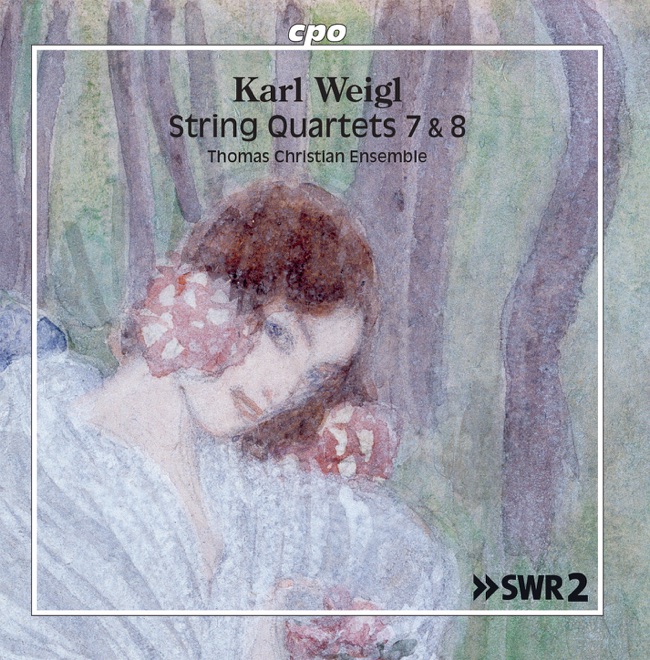 July 3, 2020
 -
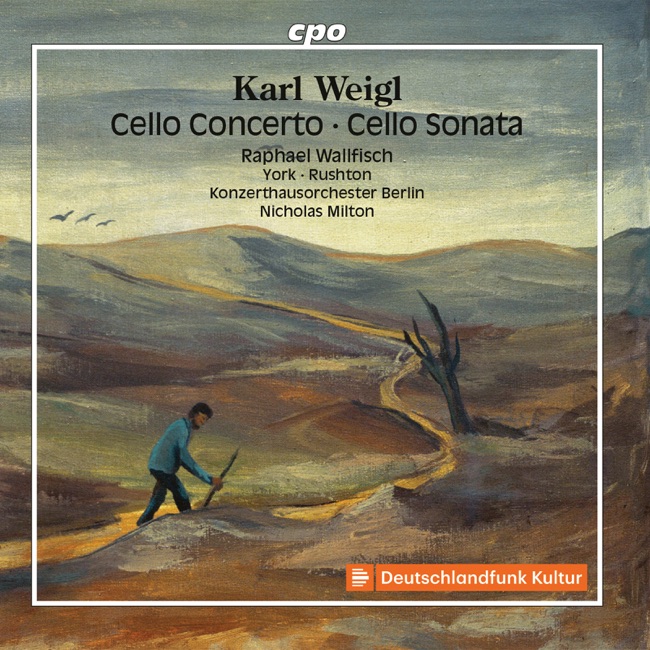 June 7, 2019
 -
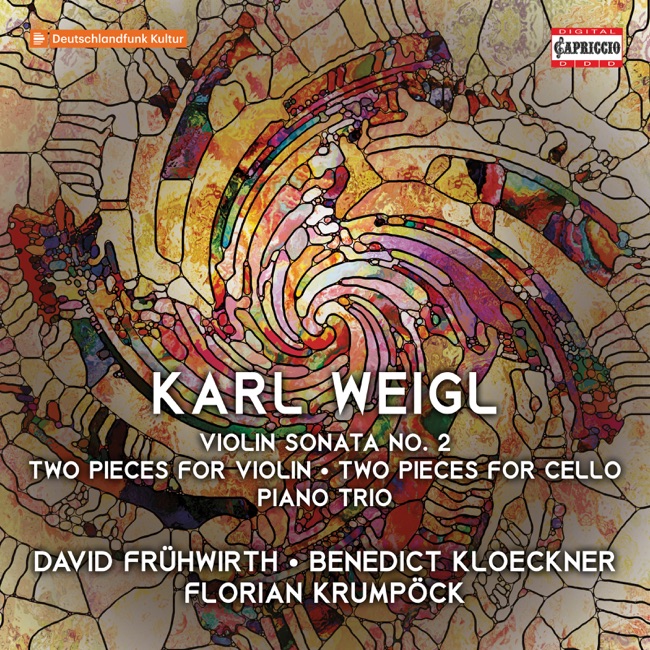
-
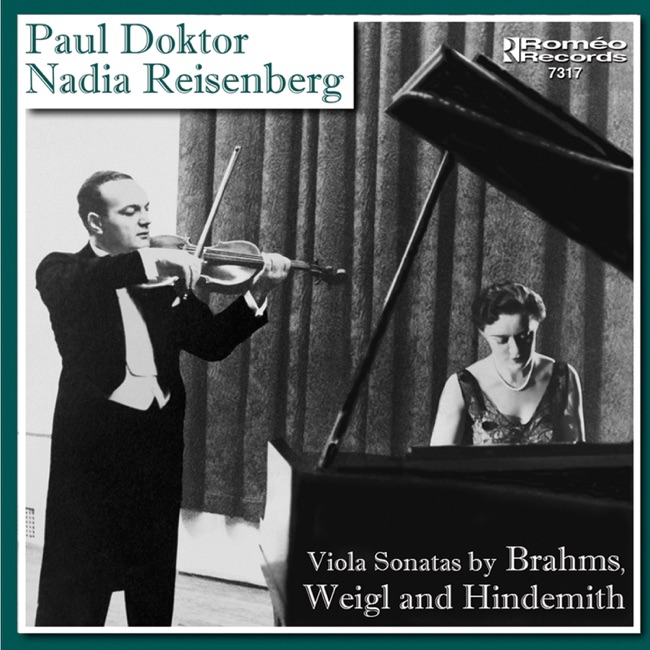 January 5, 2016
 -
 October 14, 2014
 -
 November 11, 2013
Symphony
-
 November 1, 2019
 -
 January 24, 2006
 -
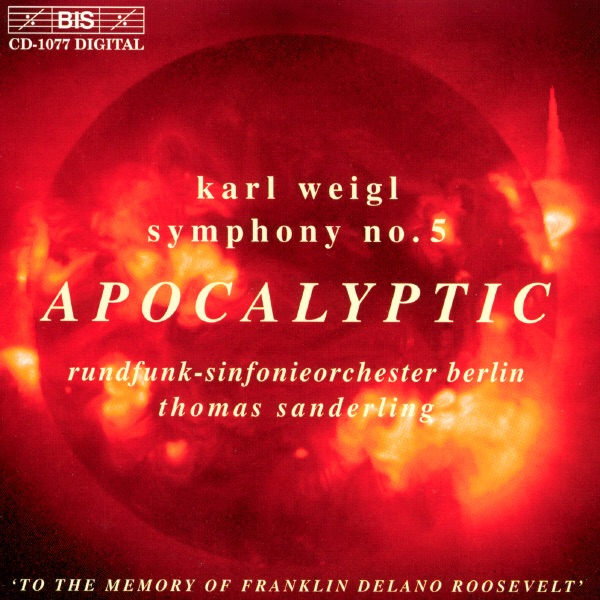 June 18, 2002
Orchestral
-
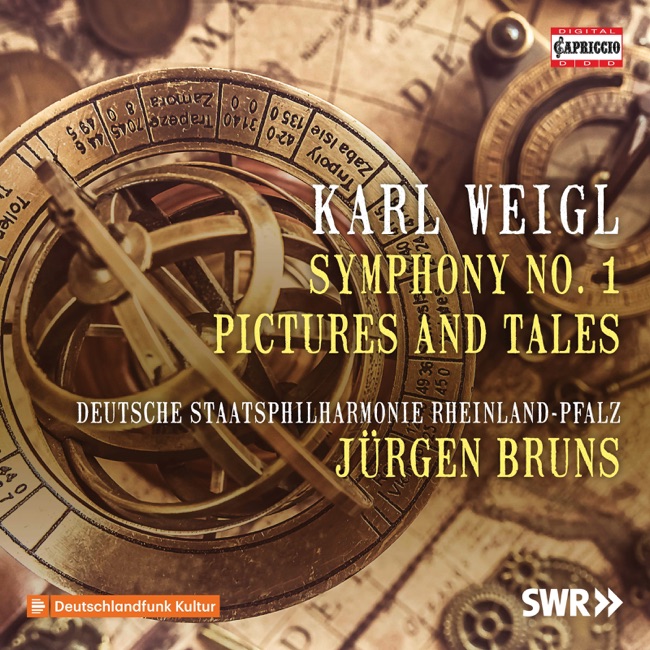 May 17, 2019
Vocal
-
 September 25, 2015
 -
 November 18, 2013
Artist Info
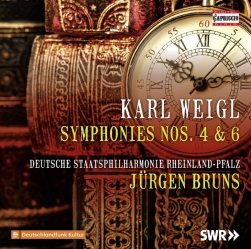
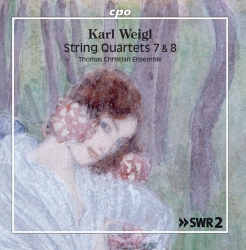
Role:ComposerBirth:February 6, 1881 in Vienna, AustriaDeath:August 11, 1949 in New York City, NYPeriod:ModernGenre:ChamberOrchestralSymphonyKarl Ignaz Weigl was a prominent Austrian composer of the early 20th century. He was born on February 6, 1881, in Vienna, Austria, to a family of musicians. His father, Karl Weigl Sr., was a well-known violinist and conductor, and his mother, Marie Weigl, was a pianist. Growing up in a musical household, Weigl was exposed to music from an early age and began studying piano and composition at a young age. Weigl attended the Vienna Conservatory, where he studied composition with Robert Fuchs and piano with Anton Door. He graduated in 1904 with a diploma in composition and began his career as a composer. In 1906, he won the prestigious Beethoven Prize for his String Quartet No. 1 in D major, which brought him recognition and acclaim. Weigl's early works were heavily influenced by the late Romantic style of composers such as Brahms and Wagner. However, he soon began to develop his own unique style, which was characterized by a blend of Romanticism and modernism. He was particularly interested in the music of Arnold Schoenberg and the Second Viennese School, and he incorporated elements of their atonal and serial techniques into his own compositions. One of Weigl's most significant works is his Symphony No. 1 in E-flat major, which he composed in 1917. The symphony is a large-scale work that showcases Weigl's mastery of orchestration and his ability to create complex musical structures. The work was well-received by critics and established Weigl as one of the leading composers of his time. During World War I, Weigl served in the Austrian army as a medical officer. He was stationed in various locations throughout the war, including the Eastern Front and Italy. His experiences during the war had a profound impact on his music, and he began to incorporate themes of war and loss into his compositions. After the war, Weigl returned to Vienna and continued to compose. He became a professor of composition at the Vienna Academy of Music in 1921, where he taught until 1938. During this time, he composed a number of significant works, including his Symphony No. 2 in D major, which was premiered in 1924. In 1938, Weigl was forced to flee Austria due to the Nazi occupation. He emigrated to the United States, where he settled in New York City. He continued to compose and teach, and he became a professor of composition at the New School for Social Research in 1942. Weigl's music was not well-known in the United States, and he struggled to gain recognition and support for his work. However, he continued to compose, and his music was performed by a number of orchestras and ensembles, including the New York Philharmonic and the Boston Symphony Orchestra. One of Weigl's most significant works from his American period is his Symphony No. 6, which he composed in 1949. The symphony is a powerful work that reflects Weigl's experiences during World War II and his feelings of loss and displacement. The work was premiered by the New York Philharmonic in 1950 and was well-received by critics. Weigl continued to compose until his death in 1949. His music is characterized by its emotional depth, complex structures, and unique blend of Romanticism and modernism. Although he is not as well-known as some of his contemporaries, such as Schoenberg and Stravinsky, his music is highly regarded by those who are familiar with it.More....
Recent Artist Music
1
8:48
9
18:28
10
9:58
13
5:23


Copyright Ⓒ 2013 Davinci Finger. All rights reseved
Service Terms & Policy