


Werner Pelinka
Released Album
Orchestral
-
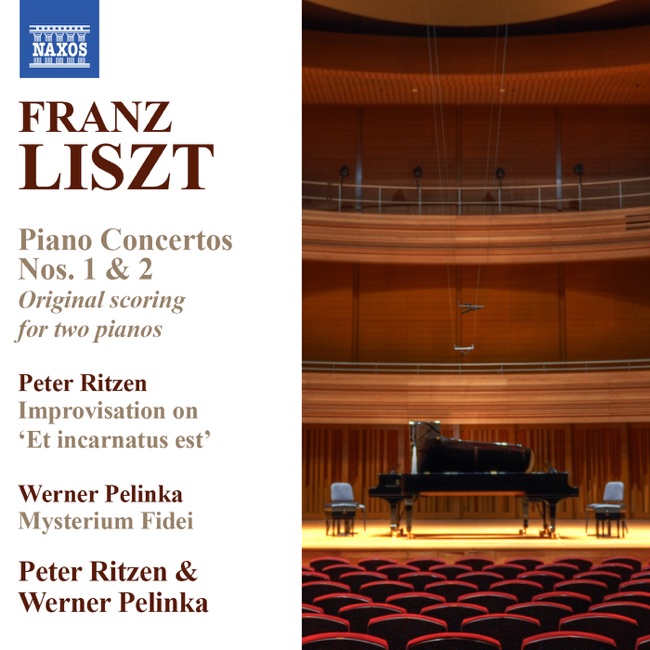
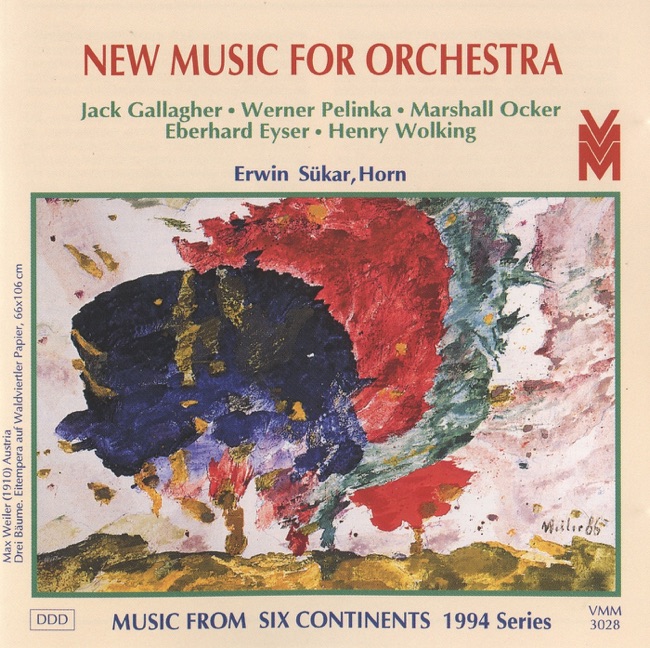 November 1, 2011
Keyboard
Artist Info
Role:Composer PerformerPeriod:ContemporaryModernGenre:ChamberOrchestralWerner Pelinka is a renowned Austrian composer, conductor, and musicologist. He was born on August 22, 1953, in Vienna, Austria. Pelinka grew up in a family of musicians, and his father was a well-known conductor and composer. From a young age, Pelinka showed a keen interest in music and began playing the piano at the age of six. Pelinka received his formal music education at the Vienna Music Academy, where he studied composition, conducting, and musicology. He also studied at the University of Vienna, where he earned a degree in musicology. During his studies, Pelinka was greatly influenced by the works of composers such as Gustav Mahler, Anton Bruckner, and Arnold Schoenberg. Pelinka's early compositions were heavily influenced by the Viennese classical tradition, and he often incorporated elements of folk music into his works. His first major composition, the "Viennese Suite," was premiered in 1978 and received critical acclaim. The suite was a tribute to the city of Vienna and its rich musical heritage. In the 1980s, Pelinka began to experiment with new forms and styles of music. He became interested in electronic music and began incorporating synthesizers and other electronic instruments into his compositions. His works from this period, such as "Electronic Symphony" and "Symphony for Synthesizers," were groundbreaking and helped to establish Pelinka as a leading figure in the world of contemporary classical music. Throughout his career, Pelinka has composed works for a wide range of ensembles and instruments. He has written symphonies, concertos, chamber music, and operas, as well as music for film and television. His works have been performed by some of the world's leading orchestras, including the Vienna Philharmonic, the Berlin Philharmonic, and the London Symphony Orchestra. One of Pelinka's most famous works is his opera "The Trial," which premiered in 1992. The opera is based on the novel by Franz Kafka and tells the story of a man who is arrested and put on trial for an unspecified crime. The opera was praised for its innovative use of electronic music and its powerful portrayal of the themes of justice and oppression. In addition to his work as a composer, Pelinka is also a respected conductor and musicologist. He has conducted many of his own works as well as those of other composers, and he has written extensively on the history and theory of music. He has also served as a professor of music at several universities, including the University of Vienna and the University of Music and Performing Arts in Graz. Pelinka has received numerous awards and honors for his contributions to music. In 1998, he was awarded the Austrian Cross of Honor for Science and Art, and in 2003 he was awarded the Golden Medal of the City of Vienna. He has also been awarded honorary doctorates from several universities, including the University of Music and Performing Arts in Graz and the University of Music and Performing Arts in Vienna. In conclusion, Werner Pelinka is a highly respected composer, conductor, and musicologist who has made significant contributions to the world of classical music. His works are known for their innovative use of electronic music and their powerful portrayal of complex themes and emotions. Pelinka's legacy as a composer and musician will undoubtedly continue to inspire and influence future generations of musicians and music lovers.More....
Recent Artist Music

Copyright Ⓒ 2013 Davinci Finger. All rights reseved
Service Terms & Policy