


Johann Adolph Scheibe
Released Album
Concerto
-
 September 24, 2013
 -
 July 27, 2010
 -
 February, 1993
Symphony
-
 February 1, 1994
Chamber
-
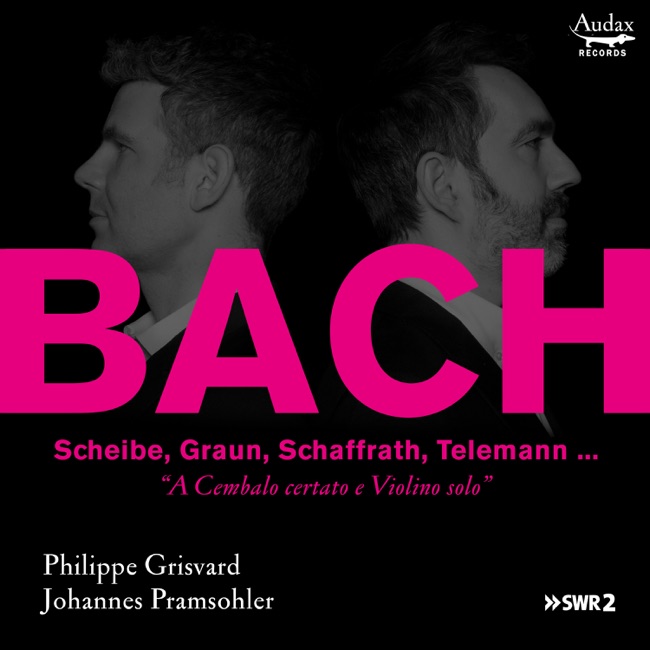 August 5, 2022
 -
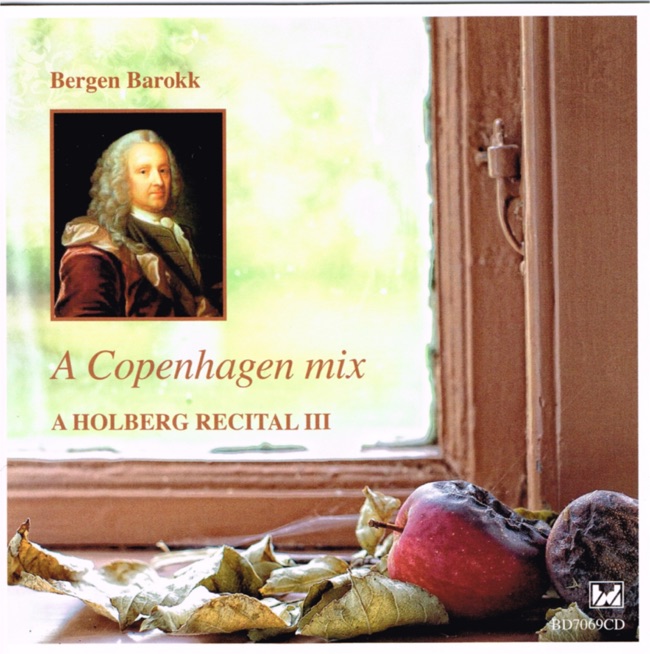 November 10, 2015
Artist Info
Role:ComposerCountry: GermanyBirth:May 5, 1708 in Leipzig, GermanyDeath:April 22, 1776 in Copenhagen, DenmarkPeriod:BaroqueGenre:ChamberChoralConcertoSymphonyJohann Adolph Scheibe was a German composer and music theorist who lived from 1708 to 1776. He was born in Leipzig, Germany, and was the son of Johann Scheibe, a musician and composer. Scheibe showed an early interest in music and began studying with his father at a young age. In 1725, Scheibe enrolled at the University of Leipzig, where he studied philosophy and theology. During his time at the university, he continued to study music and began composing his own works. In 1735, he moved to Copenhagen, Denmark, where he became a music teacher and composer for the Danish court. Scheibe's music was heavily influenced by the Baroque style, but he also incorporated elements of the emerging Classical style. His compositions were known for their clarity and simplicity, and he was praised for his ability to write music that was both accessible and enjoyable to listen to. One of Scheibe's most famous works is his opera "Medea," which was first performed in Copenhagen in 1747. The opera was based on the Greek myth of Medea, and Scheibe's music was praised for its dramatic intensity and emotional depth. The opera was a great success and was performed throughout Europe. In addition to his work as a composer, Scheibe was also a music theorist and wrote several influential treatises on music. His most famous work, "Der critische Musicus," was published in 1737 and was a scathing critique of the music of his time. In the treatise, Scheibe argued that music should be simple and accessible to all, and that composers should focus on creating music that was emotionally engaging rather than technically complex. Scheibe's ideas were controversial at the time, but they had a lasting impact on the development of music. His emphasis on simplicity and emotional expression helped pave the way for the emergence of the Classical style, which would dominate music in the late 18th and early 19th centuries. Despite his contributions to music, Scheibe's career was not without controversy. He was known for his sharp tongue and often made enemies with his criticisms of other composers. He also had a reputation for being difficult to work with, and his relationships with his patrons were often strained. Despite these challenges, Scheibe continued to compose and teach music throughout his life. He died in Copenhagen in 1776, leaving behind a legacy as one of the most influential composers and music theorists of his time.More....
Recent Artist Music
4
3:37
6
3:18


Copyright Ⓒ 2013 Davinci Finger. All rights reseved
Service Terms & Policy