


Estacio Lacerna
Artist Info
Role:ComposerBirth:1574Death:1625Estacio Lacerna was a Filipino composer who was born on May 10, 1877, in the town of San Miguel, Bulacan. He was the son of a musician, and his father was his first music teacher. Lacerna showed an early interest in music and began playing the piano at a young age. He later studied music at the Conservatory of Music in Manila, where he excelled in composition. Lacerna's early compositions were influenced by European classical music, particularly the works of Beethoven, Mozart, and Chopin. He also drew inspiration from Filipino folk music, incorporating traditional melodies and rhythms into his compositions. His music was characterized by its lyrical melodies, rich harmonies, and intricate counterpoint. Lacerna's first major work was his Piano Concerto No. 1, which he composed in 1901. The concerto was well-received and established Lacerna as a leading composer in the Philippines. He went on to compose several other works for piano, including his Piano Sonata No. 1 and his Piano Concerto No. 2. In addition to his piano works, Lacerna also composed orchestral music, chamber music, and vocal music. His orchestral works include his Symphony No. 1 and his Suite for Orchestra. His chamber music includes his String Quartet No. 1 and his Trio for Violin, Cello, and Piano. His vocal music includes his song cycle, "Filipino Songs," which features settings of traditional Filipino folk songs. Lacerna's music was performed throughout the Philippines and was well-received by audiences and critics alike. His compositions were praised for their originality and their ability to blend European classical music with Filipino folk music. Lacerna was also recognized for his contributions to music education in the Philippines. He taught at several music schools, including the Conservatory of Music in Manila, and was instrumental in the development of music education programs in the country. Despite his success as a composer and educator, Lacerna faced many challenges throughout his life. He lived during a time when the Philippines was under colonial rule, and he struggled to gain recognition for his music in a society that was dominated by Western culture. He also faced financial difficulties and was forced to support himself and his family through teaching and performing. Lacerna died on December 12, 1948, at the age of 71. His legacy as a composer and educator continues to be celebrated in the Philippines, where he is regarded as one of the country's most important classical composers. His music remains an important part of the Filipino classical music repertoire and continues to be performed and recorded by musicians around the world.More....
Recent Artist Music
1
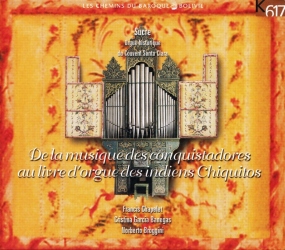
4:21
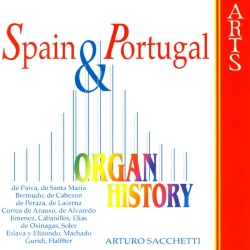
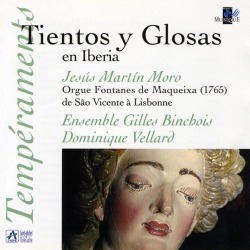
Copyright Ⓒ 2013 Davinci Finger. All rights reseved
Service Terms & Policy