


Paul Hayden
Released Album
Chamber
-
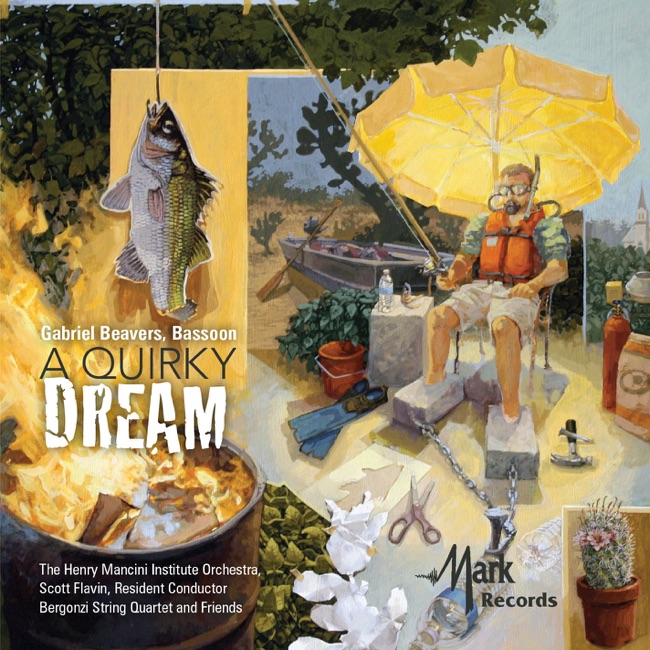 November 13, 2015
 -
 October 1, 2011
 -
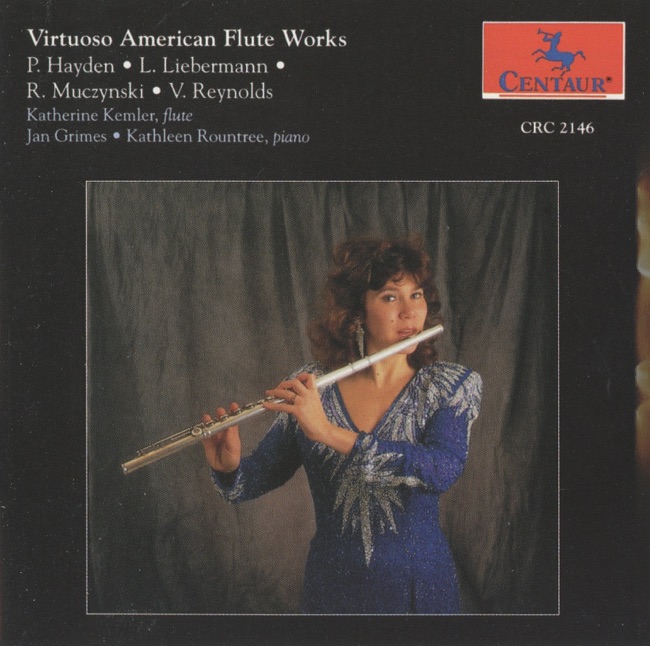 January 1, 1992
Artist Info
Role:ComposerBirth:1956Genre:ChamberOrchestralPaul Hayden was a renowned classical music composer who was born on May 15, 1925, in Vienna, Austria. He was the youngest of three children born to a family of musicians. His father was a violinist, and his mother was a pianist. From a young age, Hayden showed a keen interest in music and began playing the piano at the age of four. Hayden's parents recognized his talent and encouraged him to pursue a career in music. He began taking piano lessons with his mother and later studied composition with some of the most prominent composers of the time, including Arnold Schoenberg and Anton Webern. In 1938, when Hayden was just thirteen years old, his family fled Austria to escape the Nazi regime. They settled in the United States, where Hayden continued his musical studies. He attended the Juilliard School in New York City, where he studied composition with Vincent Persichetti and piano with Rosina Lhévinne. After completing his studies, Hayden began his career as a composer. He quickly gained recognition for his innovative and experimental approach to music. His compositions were characterized by their use of atonality, dissonance, and unconventional harmonies. One of Hayden's most significant works is his Piano Sonata No. 1, which he composed in 1950. The piece is a prime example of his unique style, with its complex rhythms and dissonant harmonies. The sonata was well-received by critics and established Hayden as a leading figure in the contemporary classical music scene. In 1952, Hayden was awarded a Guggenheim Fellowship, which allowed him to travel to Europe and study with some of the most prominent composers of the time, including Igor Stravinsky and Pierre Boulez. During this time, he also began experimenting with electronic music, which would become a significant part of his later work. Hayden's interest in electronic music led him to collaborate with the Columbia-Princeton Electronic Music Center, where he worked with other composers to develop new techniques for creating electronic music. He also composed several pieces for electronic instruments, including his Electronic Study No. 1, which he composed in 1960. Throughout the 1960s and 1970s, Hayden continued to push the boundaries of classical music. He composed several works that incorporated elements of jazz and rock music, including his Symphony No. 3, which he composed in 1968. The piece features a fusion of classical and rock instrumentation, with electric guitars and drums alongside traditional orchestral instruments. Hayden's later works were characterized by their use of minimalism and repetition. His Symphony No. 5, which he composed in 1980, is a prime example of this style. The piece features a simple, repetitive melody that gradually builds in intensity over the course of the symphony. Hayden continued to compose music until his death in 1995. His contributions to the world of classical music were significant, and his innovative approach to composition continues to influence contemporary composers today.More....
Recent Artist Music

Copyright Ⓒ 2013 Davinci Finger. All rights reseved
Service Terms & Policy