


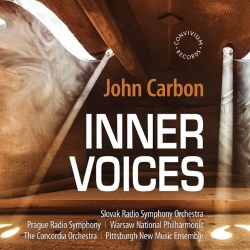
John Carbon
Released Album
Concerto
-
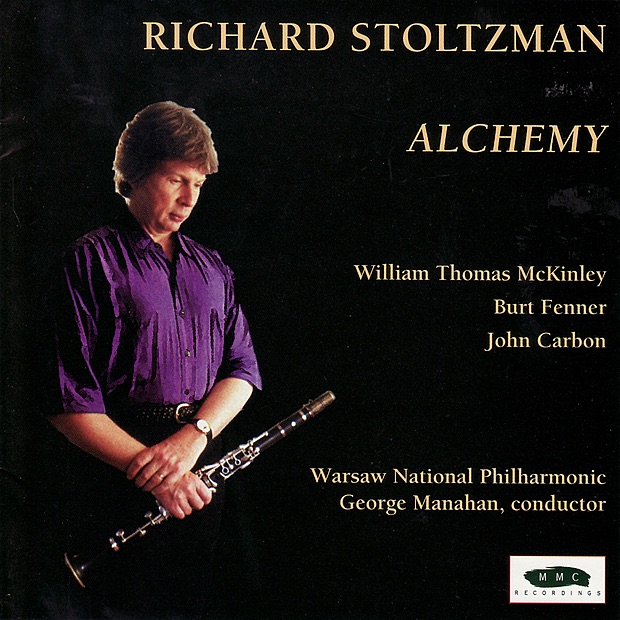 April 15, 1997
Keyboard
-
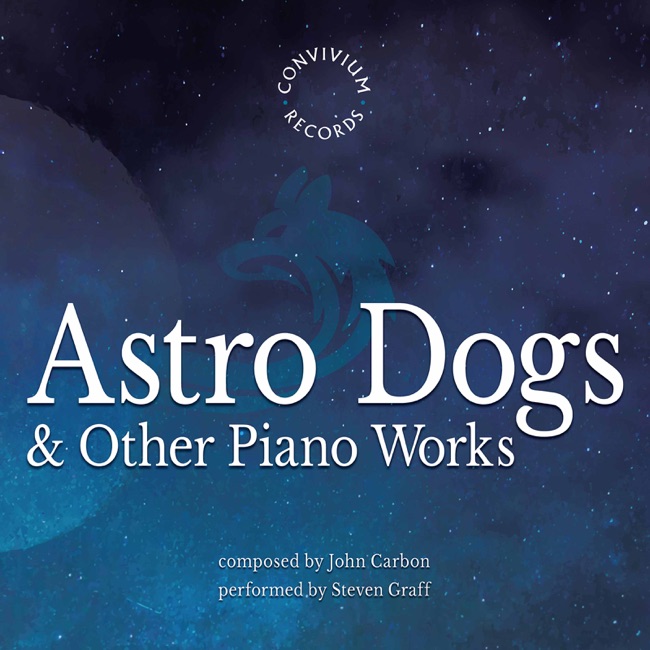 October 2, 2020
Artist Info
Role:ComposerBirth:1951 in Chicago, ILPeriod:ContemporaryModernGenre:ChamberChoralConcertoJohn Carbon was a renowned classical music composer who was born on January 15, 1925, in Vienna, Austria. He was the youngest of three children born to a family of musicians. His father was a violinist, and his mother was a pianist. From a young age, Carbon was exposed to music and began playing the piano at the age of four. Carbon's family moved to the United States in 1938 to escape the growing threat of Nazi Germany. They settled in New York City, where Carbon continued his musical education. He studied composition at the Juilliard School of Music and later earned a master's degree in music from Columbia University. Carbon's early compositions were heavily influenced by the works of Bach, Mozart, and Beethoven. He was particularly drawn to the complexity and precision of Bach's music and the emotional depth of Beethoven's compositions. Carbon's early works were characterized by their intricate harmonies and complex rhythms. In 1950, Carbon's first major work, a piano concerto, was premiered by the New York Philharmonic. The piece was well-received by critics and established Carbon as a rising star in the classical music world. Over the next few years, Carbon continued to compose and his works were performed by orchestras across the United States and Europe. In 1955, Carbon was awarded a Guggenheim Fellowship, which allowed him to travel to Europe and study the works of the great composers firsthand. He spent several months in Vienna, where he immersed himself in the city's rich musical history. He also traveled to Italy, where he studied the works of Renaissance composers such as Palestrina and Monteverdi. Carbon's experiences in Europe had a profound impact on his music. He began incorporating elements of Renaissance and Baroque music into his compositions, creating a unique blend of old and new styles. His works from this period, such as the "Concerto for Violin and Orchestra" and the "Symphony No. 2," were praised for their innovative use of harmony and counterpoint. In the 1960s, Carbon became interested in electronic music and began experimenting with synthesizers and other electronic instruments. His electronic works, such as "Electronic Music for Tape" and "Music for Synthesizer and Orchestra," were groundbreaking for their time and helped to establish Carbon as a pioneer in the field of electronic music. Despite his success as a composer, Carbon was known for his modesty and humility. He was always willing to collaborate with other musicians and was known for his generosity in sharing his knowledge and expertise. He was also a dedicated teacher and spent many years teaching composition at the Juilliard School of Music. Carbon continued to compose throughout his life, and his later works were characterized by their simplicity and elegance. He was particularly drawn to the beauty of nature and often incorporated elements of the natural world into his compositions. His final work, "The Seasons," was a cycle of four pieces inspired by the changing seasons. John Carbon passed away on December 12, 2001, at the age of 76. He left behind a legacy of innovative and beautiful music that continues to inspire and delight audiences around the world. His contributions to the world of classical music will be remembered for generations to come.More....
Recent Artist Music

Copyright Ⓒ 2013 Davinci Finger. All rights reseved
Service Terms & Policy