


Paolo Quagliati
Released Album
Keyboard
-
 January 21, 2022
 -
-
 April 10, 2007
 -
 January 10, 2006
Vocal
-
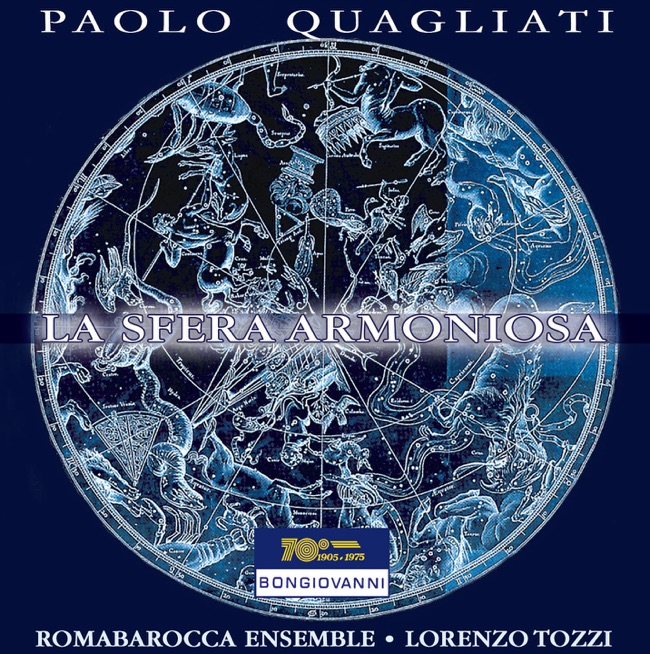 March 10, 2015
 -
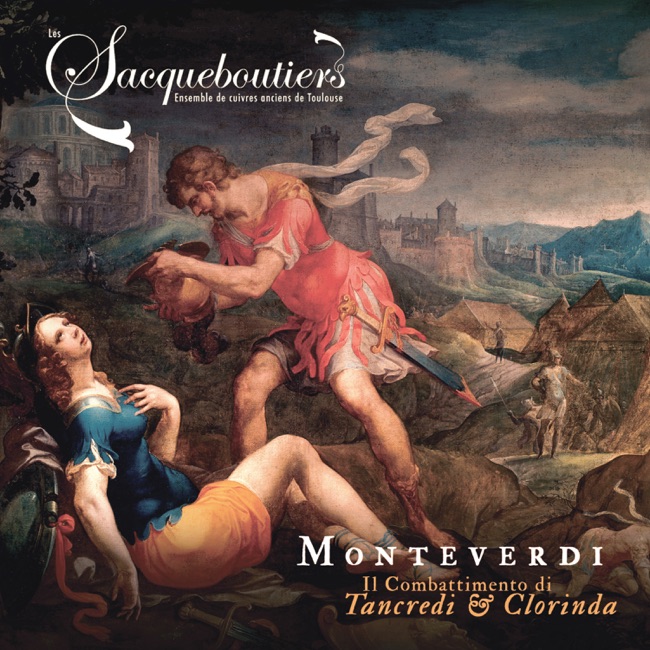 February 20, 2012
Miscellaneous
-
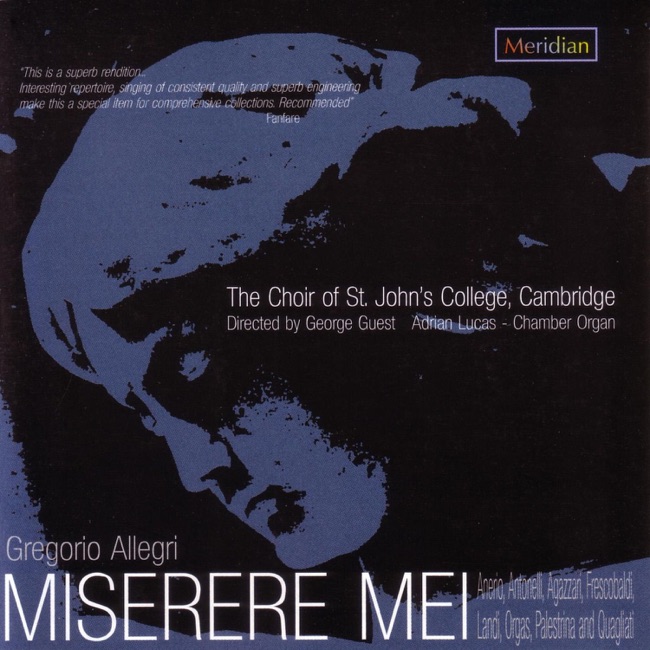 August 9, 2005
Artist Info
Role:ComposerCountry: ItalyBirth:1555 in Chioggia, ItalyDeath:November 16, 1628 in Rome, ItalyPeriod:BaroqueGenre:KeyboardPaolo Quagliati was a prominent Italian composer of the Baroque era, born in Chioggia, near Venice, in 1555. He was the son of a musician, and his father's influence played a significant role in his musical development. Quagliati began his musical education at a young age, studying with his father and other local musicians. In his early twenties, Quagliati moved to Rome, where he continued his musical studies and began to establish himself as a composer. He quickly gained a reputation for his skill as a composer and performer, and he was soon appointed as a musician in the court of Cardinal Montalto. During his time in Rome, Quagliati composed a number of works for the church, including masses, motets, and other sacred music. He also wrote secular music, including madrigals and instrumental pieces. His music was highly regarded for its beauty and complexity, and he was considered one of the leading composers of his time. In 1602, Quagliati moved to Florence, where he was appointed as the maestro di cappella at the Basilica di San Lorenzo. He remained in this position for the rest of his life, and he continued to compose music for the church and for secular audiences. One of Quagliati's most significant works is his collection of madrigals, Il Primo Libro de Madrigali a Cinque Voci. This collection, published in 1608, features 21 madrigals for five voices. The madrigals are notable for their intricate harmonies and expressive melodies, and they demonstrate Quagliati's skill as a composer of vocal music. Quagliati also composed a number of instrumental works, including sonatas and canzonas. His Sonata a 3, published in 1615, is a particularly notable example of his instrumental music. The piece features three parts, each with its own distinct melody and rhythm, and it showcases Quagliati's ability to create complex and engaging music for multiple instruments. Throughout his career, Quagliati was known for his innovative approach to composition. He was particularly interested in exploring the possibilities of harmony and counterpoint, and he often incorporated unusual chord progressions and unexpected harmonies into his music. He was also known for his use of chromaticism, which was a relatively new technique at the time. Despite his significant contributions to the world of music, Quagliati's work was largely forgotten after his death in 1628. It was not until the 20th century that his music began to be rediscovered and appreciated by modern audiences. Today, Quagliati is recognized as one of the most important composers of the Baroque era. His music continues to be performed and recorded by musicians around the world, and his innovative approach to composition has inspired generations of composers and performers.More....
Recent Artist Music
6
3:13
7
3:45
9

15:43
12

When I look at the beautiful face
Quando miro il bel volto - canzonetta a quattro voci con l'intavolatura dal cimbalo
5:25
Copyright Ⓒ 2013 Davinci Finger. All rights reseved
Service Terms & Policy