


Witold Szalonek
Released Album
Chamber
-
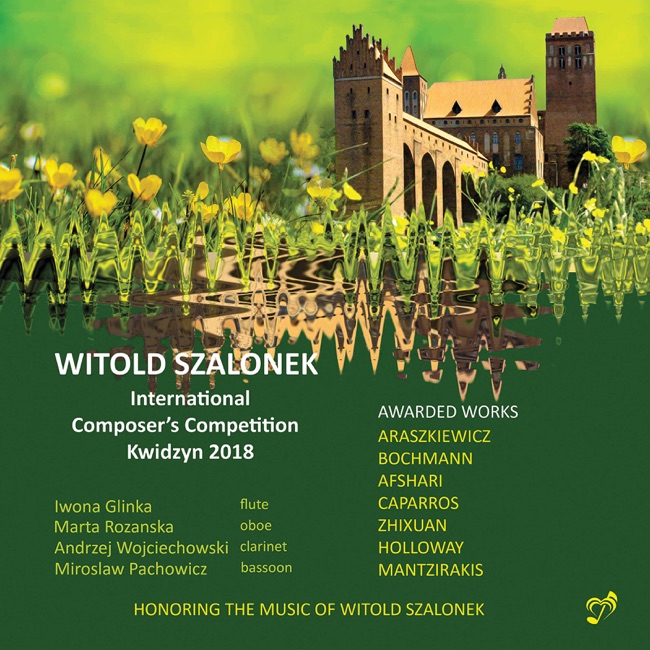 January 3, 2020
 -
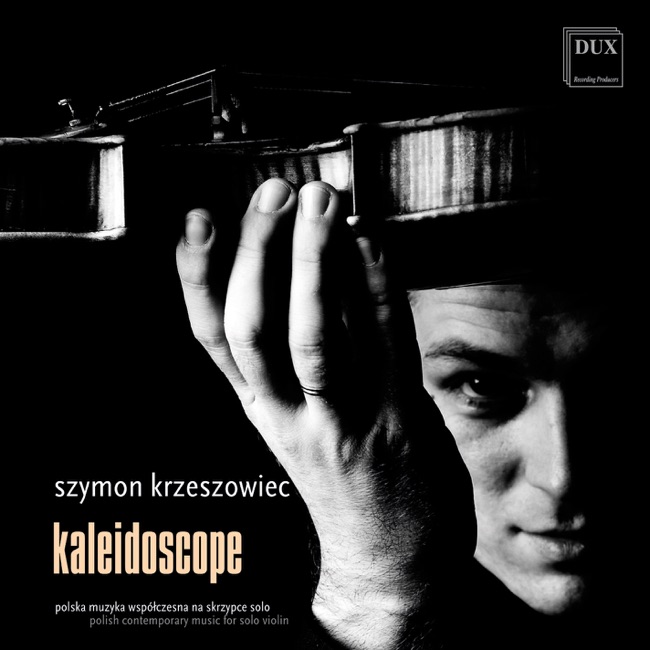
 July 10, 2015
 -
 2009
2009 -
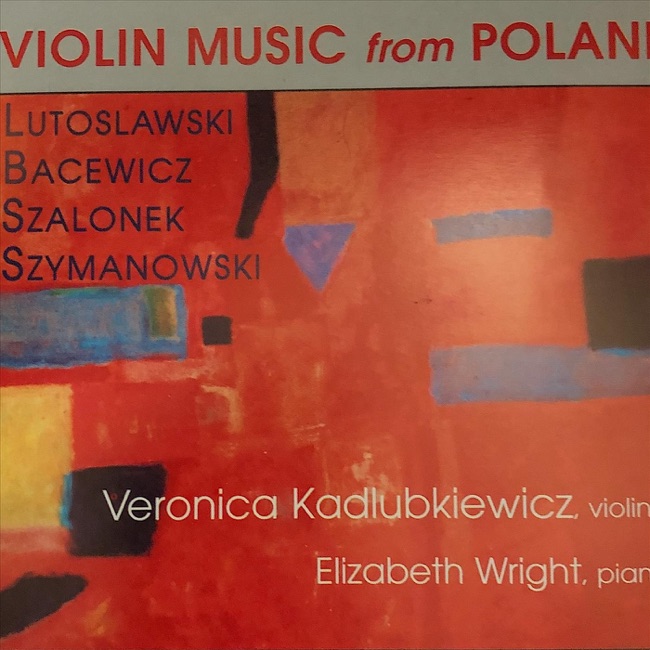 November 16, 1999
Artist Info
Role:ComposerCountry: PolandBirth:March 2, 1927 in Czechowice, PolandPeriod:ModernGenre:ChamberChoralWitold Szalonek was a Polish composer and music educator who was born on October 6, 1927, in Czechowice-Dziedzice, Poland. He was the son of a railway worker and grew up in a working-class family. Despite his humble beginnings, Szalonek showed an early interest in music and began playing the piano at the age of six. He later studied at the State Higher School of Music in Katowice, where he received a degree in composition in 1952. After completing his studies, Szalonek began working as a music educator, teaching at various institutions in Poland. He also continued to compose, and his works began to gain recognition both in Poland and abroad. In 1957, he won first prize in the International Competition for Young Composers in Paris for his piece "Musica per 13 strumenti." This marked the beginning of a long and successful career as a composer. Szalonek's music is characterized by its experimental and avant-garde nature. He was particularly interested in exploring new sounds and techniques, and his compositions often incorporated elements of aleatoric music, serialism, and electronic music. He was also influenced by the works of other avant-garde composers such as Karlheinz Stockhausen and Pierre Boulez. One of Szalonek's most famous works is his "Concerto for Orchestra," which was composed in 1963. The piece is notable for its use of unconventional instruments, including a typewriter, a siren, and a whip. It also features complex rhythms and intricate textures, making it a challenging piece for both performers and listeners. Another notable work by Szalonek is his "String Quartet No. 2," which was composed in 1965. The piece is divided into three movements, each of which explores a different aspect of string quartet writing. The first movement is characterized by its use of extended techniques, while the second movement features a more traditional, lyrical style. The final movement is a fast-paced, virtuosic display of technical skill. Szalonek's music was not always well-received by critics and audiences, however. Some found his experimental style to be too challenging and inaccessible, while others criticized his use of unconventional instruments and techniques. Despite this, Szalonek remained committed to his artistic vision and continued to push the boundaries of classical music throughout his career. In addition to his work as a composer, Szalonek was also a respected music educator. He taught at the State Higher School of Music in Katowice for many years, and his students included several notable composers such as Paweł Szymański and Wojciech Kilar. Szalonek was known for his innovative teaching methods, which emphasized creativity and experimentation. Szalonek passed away on March 12, 2001, at the age of 73. He left behind a legacy of groundbreaking compositions and a commitment to pushing the boundaries of classical music. His work continues to be studied and performed by musicians around the world, and he remains an important figure in the history of avant-garde music.More....


Copyright Ⓒ 2013 Davinci Finger. All rights reseved
Service Terms & Policy