


Franco Margola
Released Album
Chamber
-
 April 3, 2020
 -
 March 13, 2020
 -
 November 25, 1997
Keyboard
-
 October 1, 2021
 -
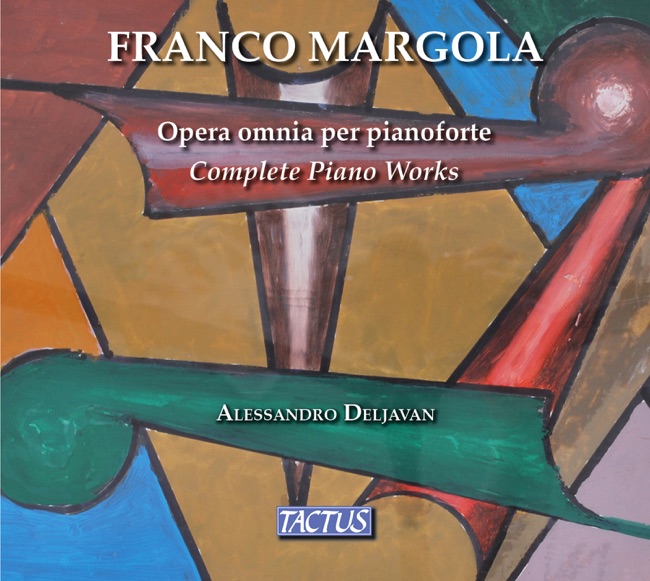 July 6, 2018
 -
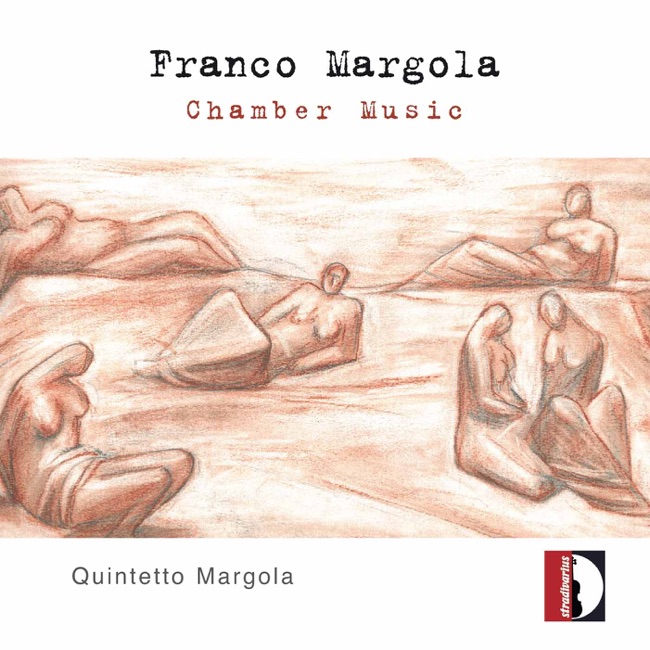 September 9, 2014
 -
 April 28, 2014
Concerto
-
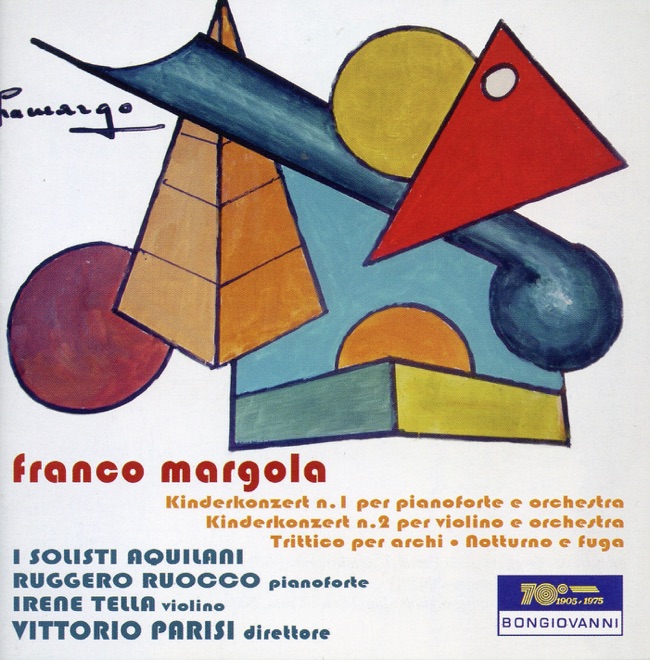 August 1, 2013
Orchestral
-
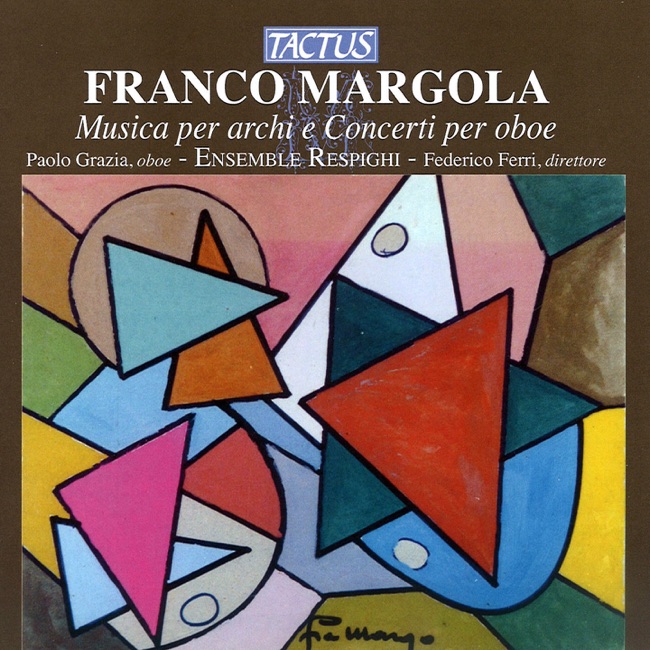 October 1, 2012
Artist Info
Role:ComposerCountry: ItalyBirth:October 30, 1908 in Orzinuovi, ItalyDeath:March 9, 1992 in Nave, ItalyPeriod:ContemporaryGenre:ChamberFranco Margola was an Italian composer born on March 10, 1908, in the town of Andria, located in the southern region of Apulia. He was the son of a music teacher, and his father's profession played a significant role in his early musical education. Margola began studying music at a young age, and by the time he was a teenager, he had already composed several pieces. Margola's musical education continued at the Conservatory of Bari, where he studied composition, piano, and conducting. After completing his studies, he began working as a music teacher in various schools in Italy. In 1934, he moved to Milan, where he worked as a music critic for the newspaper "Il Popolo di Milano." Margola's career as a composer began to take off in the 1930s. He composed several works during this period, including his first opera, "La locandiera," which premiered in 1935. The opera was well-received, and it helped establish Margola as a composer to watch. In the years that followed, Margola continued to compose operas, as well as orchestral and chamber music. One of his most significant works from this period was his "Concerto for Orchestra," which premiered in 1942. The piece was a critical success and helped establish Margola as one of Italy's leading composers. During World War II, Margola's career was interrupted, and he was forced to flee Milan due to the bombing. He spent several years in hiding in the countryside, where he continued to compose music. After the war, he returned to Milan and resumed his career as a composer. In the years that followed, Margola continued to compose music in a variety of genres. He wrote several more operas, including "La figlia del mare" and "La fiera di San Giovanni." He also composed numerous orchestral and chamber works, including his "Concerto for Violin and Orchestra," which premiered in 1953. Margola's music was characterized by its lyricism and emotional depth. He was influenced by the music of the Romantic era, as well as the works of contemporary composers such as Stravinsky and Bartok. His music was often described as being both modern and accessible, and it appealed to a wide range of audiences. In addition to his work as a composer, Margola was also a respected music educator. He taught at the Conservatory of Milan for many years, and he was known for his dedication to his students. Many of his students went on to become successful composers and performers in their own right. Margola's career as a composer continued until his death in 1992. He composed over 200 works in his lifetime, including operas, orchestral and chamber music, and vocal works. His music continues to be performed and recorded today, and he is remembered as one of Italy's most important composers of the 20th century. In conclusion, Franco Margola was a prolific and influential composer who made significant contributions to the world of classical music. His music was characterized by its emotional depth and accessibility, and it continues to be performed and enjoyed by audiences around the world. Margola's legacy as a composer and educator lives on, and his influence can be seen in the work of many contemporary composers.More....
Recent Artist Music
1
4:8
8
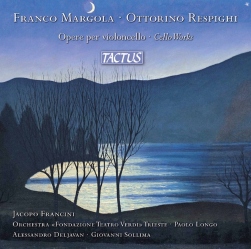
Notturno for 2 cellos, dC 762 (completed by G. Sollima)
Notturno dC 762 (Duetti per Due Violoncelli)
1:51
12
1:17
Copyright Ⓒ 2013 Davinci Finger. All rights reseved
Service Terms & Policy