


Herbert Murrill
Released Album
Keyboard
-
 March 8, 2019
 -
 October 8, 2018
 -
 January 2, 2007
 -
 January 1, 2007
 -
 August, 1994
Choral
-
 October 14, 2016
 -
 June 14, 2011
 -
 June 18, 1996
 -
 October 11, 1993
Chamber
-
 September 2, 2013
 -
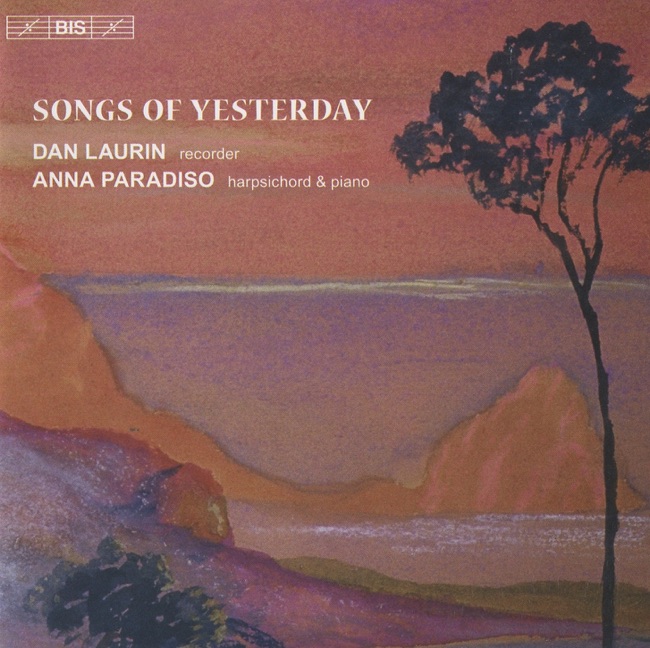 November 30, 2010
Artist Info
Role:ComposerBirth:May 11, 1909Death:July 25, 1952Period:ModernGenre:ChoralKeyboardHerbert Murrill was a British composer and organist who was born on March 11, 1909, in London. He was the son of a church organist and began his musical education at an early age. Murrill showed a natural talent for music and was soon recognized as a prodigy. He began his formal training at the Royal College of Music in London, where he studied composition with Ralph Vaughan Williams and organ with George Thalben-Ball. Murrill's early compositions were heavily influenced by the music of his teachers, but he soon developed his own unique style. His music was characterized by its clarity, elegance, and emotional depth. Murrill was a prolific composer, and his works encompassed a wide range of genres, including orchestral music, chamber music, choral music, and music for the organ. One of Murrill's most significant works was his Symphony No. 1, which he composed in 1935. The symphony was well-received by critics and established Murrill as a major figure in British classical music. The work is characterized by its lush harmonies, sweeping melodies, and dramatic contrasts. It is a testament to Murrill's skill as a composer that he was able to create such a powerful work at such a young age. Murrill's career as a composer was interrupted by the outbreak of World War II. He served in the Royal Air Force as a radar operator, and his experiences during the war had a profound impact on his music. His compositions became more introspective and reflective, and he began to explore themes of loss, grief, and redemption. One of Murrill's most famous works from this period is his anthem "I Was Glad," which he composed in 1941. The piece was written for the coronation of King George VI and has since become a staple of the British choral repertoire. The anthem is characterized by its grandeur, majesty, and sense of triumph, and it is a testament to Murrill's skill as a composer that he was able to create such a powerful work under such difficult circumstances. After the war, Murrill resumed his career as a composer and organist. He was appointed organist and choirmaster at St. Paul's Cathedral in London in 1947, a position he held until 1958. During his time at St. Paul's, Murrill composed a number of works for the cathedral choir, including his anthem "O Lord, the Maker of All Things," which was written for the coronation of Queen Elizabeth II in 1953. Murrill's later works were characterized by their simplicity and directness. He eschewed the complex harmonies and elaborate structures of his earlier works in favor of a more straightforward approach. His music became more accessible and appealing to a wider audience, and he continued to be a popular composer throughout his career. One of Murrill's most famous works from this period is his "Carillon," which he composed in 1954. The piece is a set of variations on a French folk tune and is characterized by its bright, cheerful melodies and lively rhythms. The work has become a staple of the organ repertoire and is frequently performed in churches and concert halls around the world. Murrill's career as a composer was cut short by his untimely death in 1952. He was only 43 years old at the time of his death, but he had already established himself as one of the most important composers of his generation. His music continues to be performed and recorded today, and his legacy as a composer and organist lives on.More....
Recent Artist Music



Copyright Ⓒ 2013 Davinci Finger. All rights reseved
Service Terms & Policy