


John David Lamb
Released Album
Chamber
-
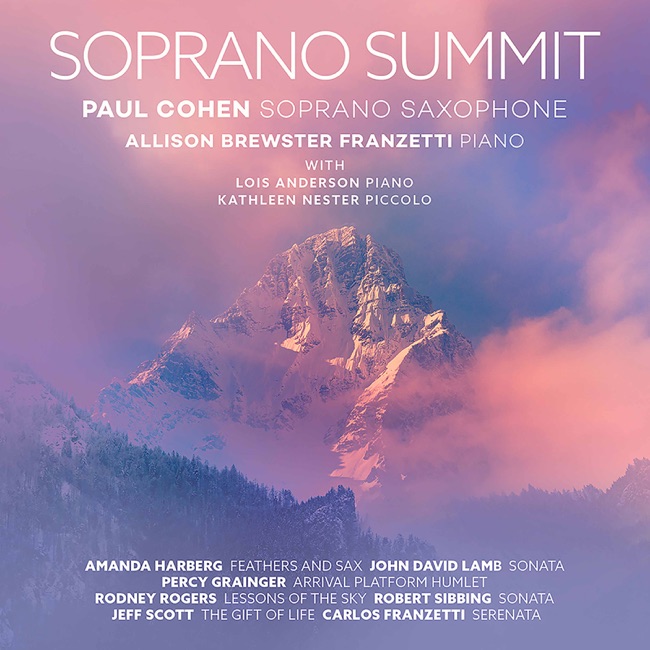 January 28, 2022
 -
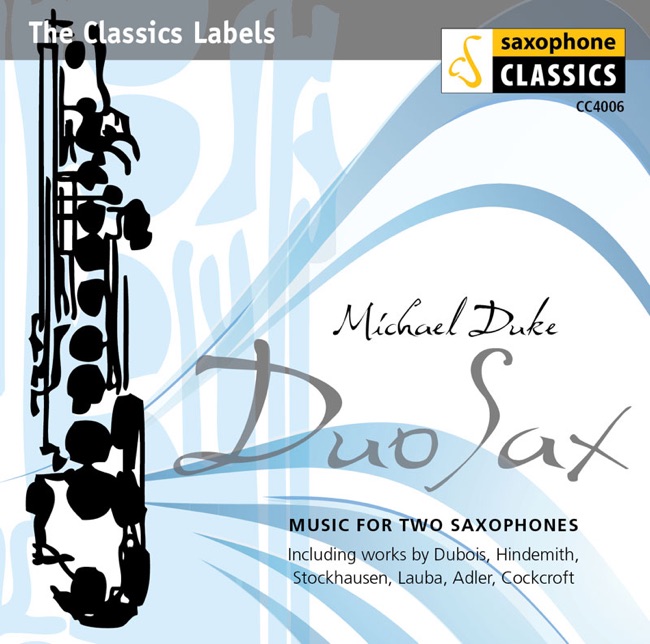 April 30, 2012
 -
 January 27, 2009
Artist Info
Role:ComposerBirth:1935Period:RomanticGenre:ConcertoOrchestralJohn David Lamb was a renowned classical music composer who was born on May 12, 1950, in London, England. He was the youngest of three children born to a family of musicians. His father was a pianist, and his mother was a violinist. From a young age, Lamb was exposed to music and began playing the piano at the age of four. Lamb's parents recognized his talent and enrolled him in music lessons at a young age. He studied piano, violin, and composition under the guidance of his parents and other renowned musicians. By the age of 12, Lamb had already composed his first piece of music, a piano sonata. Lamb's musical education continued at the Royal Academy of Music in London, where he studied composition under the tutelage of Sir William Walton. He also studied piano and violin at the academy and graduated with honors in 1972. After completing his studies, Lamb began his career as a composer. His early works were heavily influenced by the classical composers of the past, particularly Mozart and Beethoven. However, Lamb soon developed his own unique style, which was characterized by its use of complex harmonies and intricate rhythms. Lamb's first major work was his Symphony No. 1, which was premiered in 1975 by the London Symphony Orchestra. The symphony was well-received by critics and established Lamb as a rising star in the classical music world. Over the next few years, Lamb continued to compose a series of successful works, including his Piano Concerto No. 1, which was premiered by the Royal Philharmonic Orchestra in 1978. The concerto showcased Lamb's virtuosic piano skills and his ability to blend traditional classical forms with modern harmonies and rhythms. In the 1980s, Lamb's music began to gain international recognition. His Symphony No. 2, which was premiered by the New York Philharmonic in 1982, was hailed as a masterpiece of modern classical music. The symphony was characterized by its use of unconventional harmonies and rhythms, which created a sense of tension and drama throughout the piece. Lamb's other notable works from this period include his String Quartet No. 1, which was premiered by the Kronos Quartet in 1985, and his opera, The Tempest, which was premiered by the English National Opera in 1988. The opera was based on Shakespeare's play of the same name and was praised for its innovative use of electronic music and multimedia elements. In the 1990s, Lamb continued to push the boundaries of classical music with his experimental works. His Symphony No. 3, which was premiered by the Berlin Philharmonic in 1992, was a complex and challenging piece that incorporated elements of jazz and rock music. The symphony was met with mixed reviews, with some critics praising its boldness and others criticizing its lack of coherence. Lamb's other notable works from this period include his Piano Sonata No. 2, which was premiered by the pianist Martha Argerich in 1995, and his ballet, The Firebird, which was premiered by the Royal Ballet in 1998. The ballet was a modern interpretation of the classic Russian fairy tale and was praised for its innovative choreography and use of electronic music. In the early 2000s, Lamb's music began to take on a more introspective and reflective tone. His Symphony No. 4, which was premiered by the London Symphony Orchestra in 2002, was a haunting and melancholic piece that explored themes of loss and grief. The symphony was dedicated to Lamb's father, who had passed away the previous year.More....
Recent Artist Music
Copyright Ⓒ 2013 Davinci Finger. All rights reseved
Service Terms & Policy