


Giovanni Pietro Berti
Released Album
Vocal
-
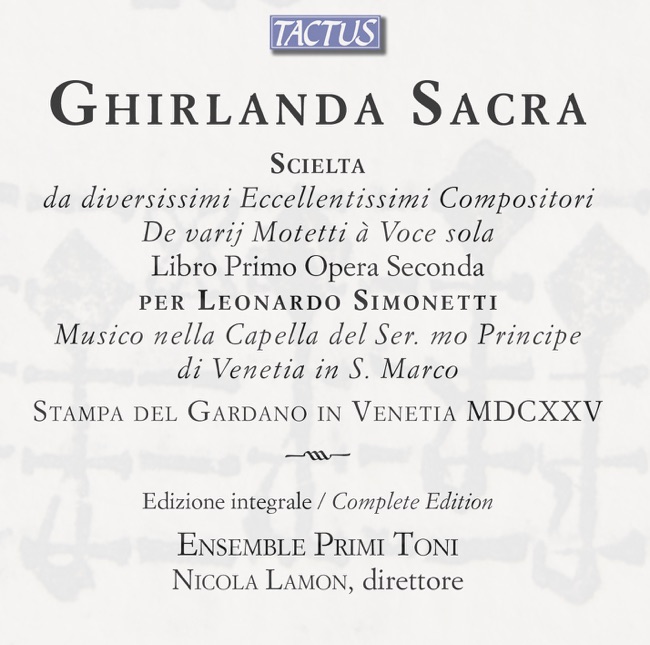 June 11, 2013
 -
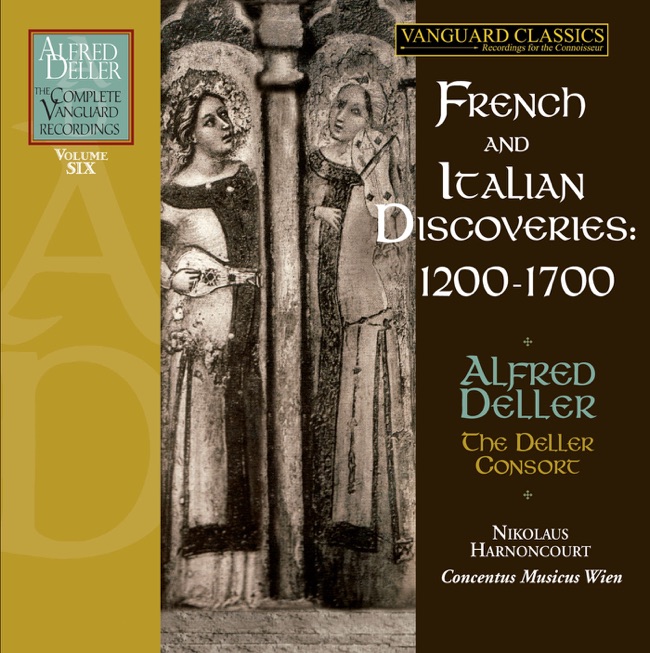 August 11, 2009
Artist Info
Role:ComposerDeath:1638Giovanni Pietro Berti was an Italian composer of the Baroque era, born in Florence on January 1, 1696. He was the son of a musician, and his father recognized his son's musical talent at an early age. Berti began his musical education at the age of six, studying the violin and the harpsichord with his father. He also received instruction in composition and music theory from his father, who was a respected composer in his own right. Berti's talent as a composer was evident from an early age, and he began to compose his own music while still a teenager. His first compositions were small pieces for the harpsichord, but he quickly progressed to more complex works, including sonatas and concertos. Berti's music was heavily influenced by the works of his contemporaries, including Antonio Vivaldi and Johann Sebastian Bach. In 1715, Berti moved to Venice to study with the famous composer Antonio Lotti. Lotti was impressed with Berti's talent and took him on as a student. Under Lotti's guidance, Berti continued to develop his skills as a composer, and he began to gain recognition for his work. In 1720, Berti was appointed as the maestro di cappella at the Basilica di San Marco in Venice, one of the most prestigious musical positions in Italy. During his time in Venice, Berti composed a number of works for the church, including masses, motets, and other sacred music. He also wrote a number of secular works, including operas and instrumental music. Berti's music was known for its complexity and its use of counterpoint, and he was considered one of the leading composers of his time. In 1730, Berti moved to Rome, where he continued to compose music for the church and for the opera. He also began to teach music, and his students included some of the most talented young musicians of the time. Berti's reputation as a composer and a teacher continued to grow, and he was soon recognized as one of the leading figures in the Italian music scene. Berti's most famous work is his opera La finta giardiniera, which was first performed in Munich in 1775. The opera is a comic work, and it was well-received by audiences and critics alike. Berti's music for the opera is characterized by its lively rhythms and its use of counterpoint, and it is considered one of the finest examples of Baroque opera. Berti continued to compose music until his death in Rome in 1743. His legacy as a composer and a teacher continued to influence the Italian music scene for many years after his death, and his music is still performed and studied today. Berti's contributions to the development of Baroque music are significant, and his work continues to be celebrated by music lovers around the world.More....
Recent Artist Music

Copyright Ⓒ 2013 Davinci Finger. All rights reseved
Service Terms & Policy